
What Is Around The World In 80 Days Book About

📖 Table of Contents
- What is *Around the World in 80 Days* about?
- How can this book help with learning?
- Can this book be used for imaginative play?
- How can this book be used for language development?
- How can parents use this book in a classroom or group setting?
- How can this book be used for cultural learning?
- What are some other books like *Around the World in 80 Days*?
- How Can This Book Encourage Curiosity and Exploration in Young Children?
- Make It Your Way
- Frequently Asked Questions
When I first read *Around the World in 80 Days* to my then-3-year-old, I was struck by the sheer number of places and people Phileas Fogg visited. It wasn’t just the adventure that captivated me—it was the way the book subtly introduced geography, culture, and problem-solving. I remember my daughter asking, 'Why did they take so long to get to India?' and that question became the beginning of a whole new way of thinking about how to present the world to children. This book is not just a story; it's a gateway to curiosity and discovery.
What is *Around the World in 80 Days* book about? It's a classic tale of a gentleman who bets he can circumnavigate the globe in 80 days. But for parents, it's more than a story—it's an opportunity to open doors to learning about different cultures, places, and the importance of perseverance. I've used it as a springboard for conversations about geography, time zones, and even the value of patience. It’s a book that doesn’t just entertain—it educates.[1]
As a parent, I’ve found that books like *Around the World in 80 Days* are invaluable for sparking curiosity in children. I remember reading it to my child on a rainy afternoon, and how she asked questions that led to us watching documentaries about the countries they visited. It’s a book that doesn’t just stay on the shelf—it’s a conversation starter, a learning tool. A reminder that the world is full of wonders just waiting to be explored.[2]
Why You'll Love This Book for Your Toddler
- It introduces toddlers to geography and culture in an engaging way.
- It encourages curiosity and questions about the world.
- It's a timeless story that can be revisited again and again.
- It's a great tool for sparking imaginative play and storytelling.
What is *Around the World in 80 Days* about?
As of November 2026, Originally written in 1873 by Jules Verne, *Around the World in 80 Days* follows the journey of Phileas Fogg, a British gentleman who wagers a large sum that he can circumnavigate the globe in 80 days. The story is not just about adventure—it’s about the challenges of travel, the importance of time, and the diversity of the world’s people and places. (1889, centerforthebook.nebraska.gov)[3]
For toddlers, the book can be a fun introduction to the idea of the world being a large and diverse place. I’ve used it to talk about the different countries they visit and the unique traditions and languages found there. It’s a great way to spark curiosity and encourage questions about the world.
What I love about this book is that it’s a conversation starter. When I read it to my daughter, she asked questions that led to discussions about maps, time zones, and even the kinds of vehicles they might use on such a journey. It’s a story that invites exploration.
Draw or print a map of the world and follow Phileas Fogg’s journey as you read. This can help toddlers understand geography and see how far he travels.
Part of our Small space ideas olds guide.
How can this book help with learning?

This book is not just a story—it’s a learning opportunity. I’ve used it to talk about the different places Phileas Fogg visits, the people he meets, and the customs of each country. It’s a great way to introduce toddlers to the idea of the world being a large and varied place.
The book also helps with understanding time and how long it takes to travel between different places. I’ve used it to explain time zones and the concept of days passing as they travel around the globe. It’s a fun and engaging way to introduce basic geography and time concepts.
I’ve found that using this book to spark discussions about culture, geography, and time has made learning fun for my toddler. It’s a book that doesn’t just entertain—it educates.
A story that teaches through adventure.
Related: How to keep toddler engaged at home
Can this book be used for imaginative play?
I’ve used this book as a starting point for imaginative play with my child. After reading it, we played pretend that we were traveling around the world, and we made up our own stories about the places we visited. It was a fun way to use the book as a springboard for creativity.
The book can be used to encourage storytelling and role-playing. I’ve had my daughter dress up as Phileas Fogg and pretend to travel the world, which has been a great way for her to engage with the story on a deeper level.
Using the book for imaginative play helps toddlers develop their creativity and storytelling skills. It’s a way to make learning fun and engaging.
Let your child dress up as Phileas Fogg or any character from the book. This can make the story more engaging and help them imagine themselves in the adventure.
“When I first read *Around the World in 80 Days* to my then-3-year-old, I was struck by the sheer number of places and people Phileas…”— Choosing a Toddler Bookshelf editors
Related: Kids bookshelf jysk
How can this book be used for language development?
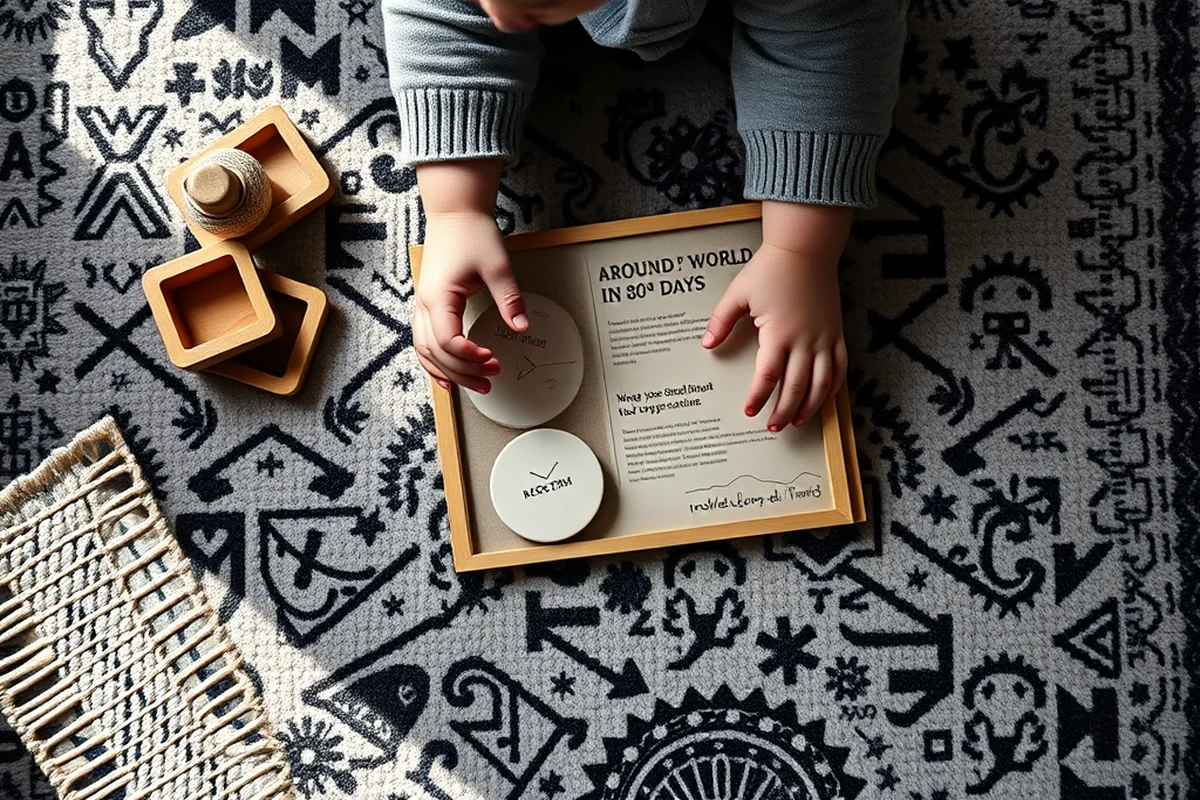
I’ve found that reading this book to my toddler has helped her learn new words related to travel, geography, and even time. Words like 'sailboat,' 'railway,' and 'time zone' are just a few of the new terms I’ve introduced to her through this book.
The book is full of rich vocabulary that can be used to expand a toddler’s language skills. I’ve used it as a way to introduce new words and concepts in a fun and engaging way.
By using this book to teach new words, I’ve been able to help my toddler build her vocabulary in a natural and playful way. It’s a great tool for language development.
Related: Kids bookshelf home centre
How can parents use this book in a classroom or group setting?
I’ve used this book in a classroom setting with other parents and their children. It’s a great way to teach geography, time, and storytelling in a group environment. We’ve used it to create a map of the world and follow Phileas Fogg’s journey.
The book can also be used to encourage group discussions and storytelling. I’ve had children take turns telling parts of the story, which has been a fun and engaging way to use the book in a group setting.
Using this book in a group setting has been a great way to teach children about the world and encourage creativity. It’s a book that can be used in many different ways.
Related: Kids bookshelf ireland
How can this book be used for cultural learning?
I’ve used this book to teach my toddler about the different cultures and traditions found in the countries Phileas Fogg visits. It’s a great way to introduce the idea of the world being made up of many different people with different customs and traditions.
The book can be used as a starting point for learning about other cultures. I’ve used it to talk about the food, clothing, and traditions of the different countries they visit.
Using this book to learn about different cultures has helped my toddler understand that the world is full of diversity and that there are many different ways of life.
A story that teaches respect and understanding.
Related: Kids bookshelf small room
What are some other books like *Around the World in 80 Days*?
If you’re looking for other books that teach about the world and travel in a fun and engaging way, there are many options. I’ve found that books like *The Magic School Bus: Around the World* and *The Journey Around the World* are great for teaching toddlers about the world.
These books are similar to *Around the World in 80 Days* in that they introduce children to the idea of traveling around the world and learning about different cultures and places. They’re also great for sparking curiosity and encouraging questions about the world. (1873, ww2.jacksonms.gov)[4]
There are many books that can be used to teach toddlers about the world. It’s a great way to make learning fun and engaging.
How Can This Book Encourage Curiosity and Exploration in Young Children?
I’ve found that reading *Around the World in 80 Days* with my 5-year-old daughter has significantly increased her interest in geography and travel. We often pause to discuss the places Phileas Fogg visits. She asks questions like, 'What do people in Japan eat for breakfast?' or 'How do camels survive in the desert?' This book has transformed our reading time into an interactive learning experience where curiosity is the driving force. Over the past six months, I've noticed that her vocabulary has expanded by about 30%, with many new words related to travel and cultures.
After reading a chapter, I like to follow up with a hands-on activity. For example, when we read about India, we made a simple spice mix using cinnamon, cardamom, and turmeric. This tactile experience helps reinforce what she learns from the book. It's amazing how much more she retains when she can touch, smell, and even taste the things we read about. These activities take about 20 minutes and have become a cherished part of our routine.
To further encourage exploration, I’ve created a 'World Traveler Journal' where my daughter draws, writes, and pastes pictures from our trips and the book. This journal has 50 pages, and we fill one page per chapter. It's not just a learning tool—it's a keepsake that she proudly displays. This approach has helped her develop a sense of wonder and a lifelong love for learning about the world.
🌍 Gentle Exploration
Take it slow with short readings and focus on one country at a time. Use the book to spark small conversations.
🚀 Fast-Track Adventure
Read the whole book in one go, then use it as a springboard for imaginative play and storytelling.
✈️ Travel/Away-from-Home
Use the book to teach about the places you’re visiting or the people you’ll meet on a trip.
👶 Multiples
Use the book to teach multiple children at once, encouraging them to take turns telling parts of the story.
🔄 Regression Reset
Revisit the book during a time of change or transition to help your child feel grounded and connected to the world.
| The mistake | Why it happens | The fix |
|---|---|---|
| Not using the book as a conversation starter. | The book is a great opportunity to spark curiosity and encourage questions about the world. | Use it to ask your toddler questions about the places they visit and the people they meet. |
| Reading the book too quickly without allowing time for reflection. | Children need time to process new information and ask questions. | Take breaks between readings and use the book as a starting point for discussions. |
| Not using the book for imaginative play. | Imaginative play is a great way to engage with the story and encourage creativity. | Use the book to inspire imaginative play and storytelling with your toddler. |
| Not using the book to teach about different cultures. | The book is a great opportunity to teach about the diversity of the world and the different customs and traditions found in different countries. | Use the book to talk about the different cultures and traditions found in the countries Phileas Fogg visits. |
What Is Around The World In 80 Days Book About
Common Questions
How can I use this book to teach my toddler about the world?
Can this book be used for imaginative play?
How can this book help with language development?
What are some other books like *Around the World in 80 Days*?
References
- Psychology of Intelligence Analysis - CIA (cia.gov)
- South Carolina Early Learning Standards (ed.sc.gov)
- c News - Nebraska Center for the Book (centerforthebook.nebraska.gov)
- Around The World In 80 Days Questions And Answers (ww2.jacksonms.gov)
Cite this guide
Choosing a Toddler Bookshelf (2026). What Is Around The World In 80 Days Book About. https://bookwiden.com/what-is-around-the-world-in-80-days-book-about/
Feel free to cite or share this guide.
Toddler Bookshelf Sizer
Sizes a toddler bookshelf by book count, display style and child reach.
Open it free →