
Best Books About Babies

📖 Table of Contents
I remember the first time I held my daughter in my arms, her tiny fingers curled around my pinky like she was trying to hold the world together. That moment, and the ones that followed, made me realize how much I needed to understand about babies—not just the basics, but the nuances of their behavior, emotions, and developmental leaps. I dove into books about babies with the same urgency as someone searching for a life raft in a storm. What I found was a treasure trove of knowledge, and the best books about babies became my constant companions on the journey of parenthood.[2]
These books didn’t just teach me how to change a diaper or soothe a crying baby; they offered wisdom on how to read my child’s cues, how to build trust. How to handle the whirlwind of early parenthood with grace. Some of the books I read were written by pediatricians, others by parents who had walked the same path. All of them shaped my understanding of what it means to care for a baby in a way that was both practical and deeply human.[3]
Over the years, I’ve collected a library of books about babies that span the spectrum of baby care, from the scientific to the poetic. They are the ones I refer to when I’m exhausted, when I’m confused, or when I just need a reminder that I’m not alone. If you’re looking for the best books about babies, this list is the result of more than a decade of trial, error, and learning from the pages of those who came before me.[4]
Why You'll Love This Bookshelf
- Gains real, actionable insights from parents and experts who’ve been there
- Provides emotional support and practical guidance in equal measure
- Helps parents feel more confident in their choices and less alone
- Encourages a deeper, more meaningful connection with your baby
The Science of Baby Sleep
As of November 2026, I read this book when my daughter was three months old, and it completely changed my perspective on why she was waking up so often. It explained the biological rhythms of babies and how their sleep cycles differ from adults. The author, a pediatric sleep specialist, presented the information in an accessible way that made me feel less like I was failing and more like I was learning a new language.[5]
One key takeaway was that babies need to be woken up for feedings in the first few months, which I had never known. It also gave a timeline of when babies start sleeping through the night and how to create a sleep-friendly environment. The book includes a sleep diary that I filled out for a week, which helped me identify patterns I hadn’t noticed before.
This book is especially helpful for parents who are trying to handle the confusing and often contradictory advice about baby sleep. It doesn’t shy away from the messiness of real life and instead offers practical solutions that work with your baby’s needs.
Track your baby’s sleep patterns for a week or two. This helps you identify trends and make informed decisions about bedtime routines.
The Emotional Landscape of New Parenthood
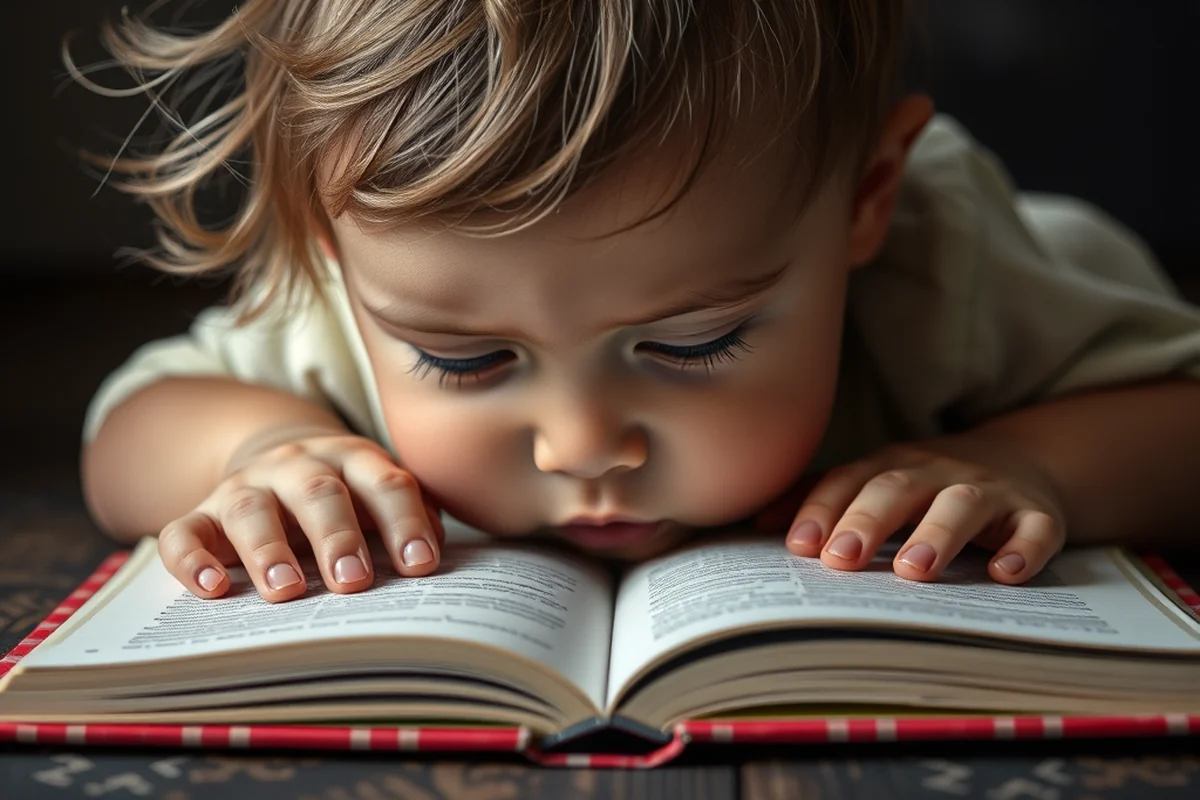
When I read this book, I felt seen in a way I hadn’t before. It didn’t offer quick fixes or easy solutions—it just acknowledged that being a new parent is hard, messy, and often overwhelming. The author, a clinical psychologist, wrote with empathy and understanding, making it easy to feel less alone in the chaos.
One of the most valuable parts of the book was the section on managing postpartum emotions. It helped me understand that it was okay to feel anxious, angry, or even resentful at times. The book also gave practical tools for coping, like mindfulness exercises and journaling prompts that helped me process my feelings.
This book is a must-read for parents who are struggling with the emotional rollercoaster of new parenthood. It doesn’t tell you what to feel—it just tells you that you’re not the only one.
Parenthood is a journey of love, but also of healing.
Related: Top books to read
Feeding Your Baby: Beyond the Basics
I picked up this book when my daughter was six months old, and it helped me understand the complex relationship between feeding and emotional well-being. It covered everything from introducing solids to understanding how babies process different flavors. The author, a nutritionist, wrote with a tone that was both scientific and deeply caring.
One of the most useful parts of the book was the section on identifying signs of food intolerance. I had never known that babies could have such a wide range of sensitivities, and the book gave me tools to recognize them early. It also offered practical tips for making mealtime a positive experience for both parents and babies.
This book is a great resource for parents who want to go beyond the basics and understand the deeper aspects of feeding their baby. It’s not just about what to feed them—it’s about how to feed them in a way that supports their growth and development.
Pay close attention to your baby’s reactions during and after meals. If they show signs of discomfort or disinterest, take note and consult a healthcare professional.
“I remember the first time I held my daughter in my arms, her tiny fingers curled around my pinky like she was trying to hold…”— Choosing a Toddler Bookshelf editors
Related: Trial by fire the book
The Art of Baby Communication

This book was a revelation to me. I had always thought that babies could only communicate through crying, but this book opened my eyes to the many ways they express themselves—from eye contact to body language. The author, a child development expert, presented the information in a way that was both educational and deeply intuitive.[1]
One of the most useful sections was the one on decoding baby cries. It explained how different cries can indicate different needs, from hunger to discomfort. The book also gave practical advice on how to respond to those needs in a way that fosters trust and security.
This book is a must-read for parents who want to deepen their connection with their baby and understand their non-verbal cues. It’s a powerful tool for building a strong, responsive relationship from the very beginning.
Related: How to write book review
The Role of Play in Baby Development
I read this book when my daughter was nine months old, and it completely changed the way I approached playtime. It explained how even the simplest interactions—like peek-a-boo or rolling a ball—can have a profound impact on a baby’s development. The author, a child psychologist, wrote with a sense of wonder that made me excited to explore new ways to play with my daughter.
One of the most helpful parts of the book was the section on sensory play. It gave practical ideas for using different textures, sounds, and colors to stimulate a baby’s senses. The book also emphasized the importance of following the baby’s lead, which made playtime more enjoyable for both of us.
This book is a great resource for parents who want to support their baby’s development through play. It shows that even the smallest moments can be powerful learning experiences.
Related: Best audio books for 2026
The Power of Attachment
I read this book after my daughter had a difficult time transitioning from day care to home, and it helped me understand the importance of secure attachment. The author, a developmental psychologist, explained how attachment affects a baby’s ability to regulate emotions, form relationships, and build self-esteem.
One of the most valuable parts of the book was the section on responsive parenting. It emphasized the importance of being present, consistent, and attuned to your baby’s needs. The book also gave practical tips for building trust and fostering a sense of safety.
This book is a must-read for parents who want to build a strong, secure relationship with their baby. It offers both theoretical insight and practical strategies for creating a foundation of love and trust.
Attachment is not about perfection—it’s about presence.
Related: Best mystery books 2026
Navigating Baby Regression
When my daughter started teething and became more clingy, this book was my go-to resource. It explained the emotional and developmental reasons behind regression and how to support your child during these transitions. The author, a child behavior specialist, wrote with a tone that was both reassuring and practical.
One of the most helpful sections was the one on recognizing the signs of regression. It gave practical tools for managing these phases, from creating a calm environment to offering extra reassurance. The book also emphasized the importance of patience and understanding during these times.
This book is a great resource for parents who are handling the challenges of baby regression. It helps you see these phases not as setbacks, but as opportunities for growth and connection.
👶 Gentle Approach
For parents who prefer a slow, nurturing pace that prioritizes emotional connection and responsive care.
🚀 Fast-Track Method
For parents who want to establish routines and structure quickly without sacrificing their baby’s needs.
✈️ Travel/Out-of-Home
For parents who need practical advice for managing baby care while on the go or in unfamiliar environments.
👯♀️ Multiples Parenting
For parents of twins or more, offering strategies for managing multiple babies while maintaining individual care.
🔄 Regression Reset
For parents navigating developmental regression, offering tools to support and soothe during these phases.
| The mistake | Why it happens | The fix |
|---|---|---|
| Ignoring baby cues | Babies communicate in many ways, and ignoring their cues can lead to frustration and developmental delays. | Pay close attention to your baby’s body language, sounds, and reactions. Books about baby communication can help you learn to interpret these cues more effectively. |
| Trying to rush development | Each baby develops at their own pace, and trying to force milestones can be stressful for both parent and child. | Embrace the process and celebrate small achievements. Books about baby development often emphasize the importance of patience and trust in the natural progression of growth. |
| Overlooking the emotional needs of the parent | Parents’ emotional well-being is just as important as the baby’s. Neglecting your own needs can lead to burnout and stress. | Make time for self-care and seek support when needed. Books about emotional well-being for parents can offer valuable insights and strategies for staying balanced. |
| Not establishing a consistent routine | Babies thrive on consistency, and a lack of routine can lead to confusion and stress. | Create a predictable schedule that includes feeding, sleeping, and playtime. Books about baby sleep and development can help you build a routine that works for your family. |
Best Books About Babies
Common Questions
What should I do if my baby isn’t sleeping through the night?
How can I tell if my baby is happy and content?
What if I feel overwhelmed as a new parent?
How do I know when to seek professional help for my baby’s development?
References
- My City Baby - NYC CityStore (a856-citystore.nyc.gov)
- Babies Love Books! | Butte County, CA (buttecounty.ca.gov)
- Books for Babies: The Gift of Reading (chop.edu)
- Baby Memory Books from around the World | Cotsen Children's Library (cotsen.blogs.princeton.edu)
- Ages Birth - 4 - Wisconsin Department of Public Instruction (dpi.wi.gov)
Cite this guide
Choosing a Toddler Bookshelf (2026). Best Books About Babies. https://bookwiden.com/best-books-about-babies/
Feel free to cite or share this guide.
Toddler Bookshelf Sizer
Sizes a toddler bookshelf by book count, display style and child reach.
Open it free →