
The Children'S Bookshelf

📖 Table of Contents
- How to Start Your Children's Bookshelf
- The Power of Storytime Rituals
- Choosing the Right Books for Your Child's Age
- Rotating Books to Keep Your Child Engaged
- Building a Diverse Collection
- Involving Your Child in the Book Selection Process
- The Role of the Bookshelf in a Child’s Development
- Make It Your Way
- Frequently Asked Questions
When my daughter turned two, our living room transformed into a book-filled sanctuary. I remember the first time she grabbed a board book by herself, her tiny fingers tracing the raised letters and giggling at the rhymes. That moment was a revelation — it wasn’t just about stories, but the way books shaped her world. Our children’s bookshelf became a cornerstone of our home, a place of learning, imagination, and connection.
Over time, that bookshelf evolved from a simple collection of picture books into a curated library of stories that reflected her growing interests, from dinosaurs to fairy tales. I started noticing how her language developed alongside the books we read — her vocabulary expanded, her curiosity deepened, and her love for stories became a daily ritual. The children’s bookshelf was no longer just a place for books; it was a mirror of her development.[1]
Now, as she approaches her third birthday, the bookshelf has become a kind of roadmap for her growth. It holds not only the classics, but also books that teach empathy, resilience, and creativity. Building that shelf has been an adventure, and I hope sharing my journey helps you see the power of the children’s bookshelf in your own home.[2]
Why You'll Love This Bookshelf Journey
- It becomes a cornerstone of your child's early learning and imagination.
- It fosters a love of reading that lasts a lifetime.
- It allows you to tailor stories to your child's developmental stage.
- It can be a flexible, evolving space that grows with your child.
How to Start Your Children's Bookshelf
As of November 2026, Starting a children’s bookshelf can feel overwhelming, but it doesn’t need to be. I began with just five books — a mix of board books, picture books, and a couple of classics. I picked ones with bright colors, simple language, and interactive elements like flaps or textures. These books were not only engaging for my daughter, but they also made reading feel like a game.
I focused on variety, making sure there were books that covered different themes — animals, shapes, emotions, and even early math concepts. I also made sure to include a mix of formats, like books with audio narration, which my daughter loved. It was a small collection, but it was enough to spark her curiosity.
As she grew, I added more books, always keeping an eye on her interests. I found that reading the same book multiple times was not only okay, but actually beneficial for her language development. It was a slow process, but it laid the foundation for what would become a rich and diverse bookshelf.
Begin with a few books that match your child’s interests and developmental stage. Add more as they grow and their curiosity deepens.
Part of our Toddler bookshelf guide.
The Power of Storytime Rituals
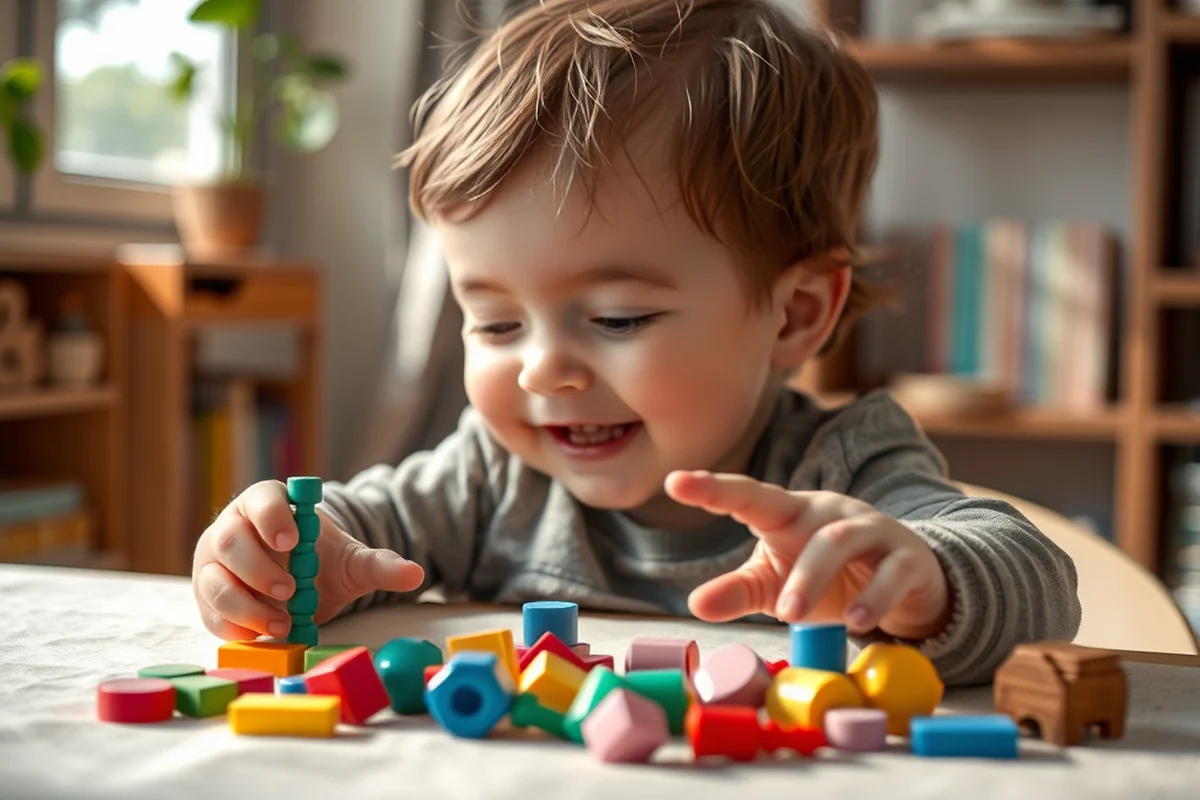
I discovered that having a regular storytime ritual made reading a special part of our day. We’d sit on the floor, with the bookshelf right behind us. I’d read aloud, pausing for her to point out the pictures or repeat the words. It felt like a sacred moment — a time when the world outside faded away, and we were just the two of us, lost in a story.
Over time, these storytimes became a way for us to connect. We’d read before bedtime, and I’d notice her eyes slowly closing as she listened to the familiar words. Sometimes, she’d even fall asleep with a book in her hands. It was heartwarming to see how much comfort she found in stories.
These rituals also helped her develop a sense of routine and security. As the days passed, storytime became more than just reading — it was a moment of love, learning, and shared joy.
Storytime is not just about reading — it’s about creating memories.
Related: What is a book nook kit
Choosing the Right Books for Your Child's Age
I learned early on that choosing the right books for your child’s age is crucial. For children under two, board books with thick pages and interactive elements work best. For children aged two to four, picture books with simple stories and repetitive language are ideal. I made sure to read the age recommendations on the back of each book before buying.
I also paid attention to the complexity of the language and the themes in the stories. Books that teach counting, colors, and emotions were especially beneficial for my daughter. I found that books with diverse characters and inclusive stories helped her understand the world around her in a more empathetic way.
As my daughter’s language skills improved, I gradually introduced books with more complex sentences and more detailed plots. I made sure to keep a balance between educational and entertaining books, so that she was always excited to read.
Choose books that align with your child’s age and developmental stage. Look for books with interactive elements, simple language, and themes that reflect their growing interests.
“When my daughter turned two, our living room transformed into a book-filled sanctuary.”— Choosing a Toddler Bookshelf editors
Related: What is book binding
Rotating Books to Keep Your Child Engaged

I quickly realized that keeping the same books on the shelf for too long could make them lose their appeal. So, I started rotating the books every few weeks. I’d take some of the older books off and bring in new ones that I thought my daughter might enjoy.
This practice not only kept her engaged, but it also helped her discover new stories and themes. Some of the books we rotated became favorites, while others were quickly set aside. I found that this process helped her develop a taste for different types of stories and characters.
Rotating books also gave me the opportunity to introduce books that aligned with her current interests, like dinosaurs or fairy tales. It was a simple but effective way to keep the reading experience fresh and exciting.
Related: Kindle library books in my library
Building a Diverse Collection
I made a conscious effort to build a diverse book collection that exposed my daughter to different cultures, perspectives, and experiences. I looked for books that featured characters from different backgrounds, including stories from around the world and books that celebrated different family structures.
I also included books that addressed important themes like empathy, kindness, and resilience. These books helped my daughter understand the world in a more nuanced way and encouraged her to think about how others might feel in different situations.
Building a diverse collection was a small but powerful way to teach my daughter about the beauty of differences. It was a way to show her that everyone has a story worth hearing, and that learning about others can be both educational and inspiring.
Related: What is a book bag
Involving Your Child in the Book Selection Process
I found that involving my daughter in the book selection process was one of the most effective ways to increase her enthusiasm for reading. I’d take her to the library or a bookstore and let her pick out books she liked. She loved the freedom of choosing, and it made her feel more connected to the stories.
I also made a point to ask her what kinds of stories she wanted to read next. If she was interested in dinosaurs, I’d find books that featured those creatures. If she wanted to read about fairy tales, I’d bring in books with those themes. This approach not only made reading more exciting, but it also helped her develop a sense of autonomy.
Letting her choose books gave her a sense of ownership over the stories we read. It was a small but meaningful way to show her that her interests mattered and that reading could be a fun and personalized experience.
Letting your child choose their books can turn reading into an adventure they won’t forget.
Related: What is password book
The Role of the Bookshelf in a Child’s Development
I’ve come to realize that the bookshelf is more than just a place to store books — it’s a tool for development. The books on our shelf helped my daughter build her vocabulary, understand emotions, and develop empathy. I noticed that she was more expressive and more curious as she grew older.
The bookshelf also became a place where we could explore different themes and ideas. We’d read about kindness, courage, and even problem-solving. These stories helped her understand how to handle the world around her, and I saw her applying these lessons in real-life situations.
As my daughter’s confidence grew, so did her ability to express herself. She began asking more questions and engaging in deeper conversations. The bookshelf was a quiet but powerful force in shaping her development, and I’m grateful for the role it played in her journey.
📖 Gentle Approach
Take your time and build your bookshelf gradually, focusing on quality over quantity.
⏰ Fast-Track
Get a curated selection of books ready in a short amount of time for an immediate impact.
✈️ Travel/Away-from-Home
Choose lightweight, durable books that are easy to carry and read on the go.
👶 Multiples
Select books that are engaging for multiple children of different ages.
🔄 Regression Reset
Revisit old favorites and introduce new books to help your child reconnect with reading.
| The mistake | Why it happens | The fix |
|---|---|---|
| Choosing too many books at once | This can overwhelm your child and make it hard to focus on the stories. | Start with a few books and gradually add more as your child grows and their interests develop. |
| Neglecting to involve your child in the selection process | This can make your child feel disconnected from the stories and less interested in reading. | Let your child choose books based on their interests and preferences. |
| Not rotating the books on the shelf | This can make the reading experience feel stale and unengaging. | Rotate books every few weeks to keep the experience fresh and exciting. |
| Focusing only on educational books | This can make reading feel like a chore rather than a fun and creative experience. | Balance educational books with stories that are entertaining and imaginative. |
The Children'S Bookshelf
Common Questions
How often should I rotate the books on my child's shelf?
What types of books are best for a child under two?
How can I make reading a fun experience for my child?
What are some benefits of a diverse book collection?
References
Cite this guide
Choosing a Toddler Bookshelf (2026). The Children'S Bookshelf. https://bookwiden.com/the-children-s-bookshelf/
Feel free to cite or share this guide.
Toddler Bookshelf Sizer
Sizes a toddler bookshelf by book count, display style and child reach.
Open it free →