
How To Keep Toddler Engaged At Home
📖 Table of Contents
- The Power of Routines and Predictability
- The Magic of Open-Ended Play
- The Importance of Active Participation
- The Role of Movement in Engagement
- The Power of Music and Rhymes
- The Benefits of Nature and Outdoor Play
- The Impact of Parental Presence and Emotional Connection
- Make It Your Way
- Frequently Asked Questions
I remember the day my toddler, then 2 years old, sat in front of the TV for over an hour, completely absorbed by a cartoon. It was a rare moment of peace. It also left me with a lingering question: how do I keep my toddler engaged at home without the help of screens or long, drawn-out activities? As a parent who spent countless hours trying to balance play, learning. Rest, I’ve learned that keeping a toddler engaged is not about filling every minute with structured tasks, but about creating a dynamic, responsive environment that fuels their curiosity and creativity. This article is the result of that journey — and it’s for every parent who’s ever sat at a table watching their child stare into space, wondering what they could do differently.
The key, I found, was to move away from the idea that engagement means constant activity. Instead, it’s about recognizing the natural rhythms of a toddler’s day and building around those. My son, who once resisted reading for more than five minutes, now asks for books several times a day. It wasn’t a sudden change — it came from experimenting with different formats, times of day, and even the way we interacted during those moments. I’ve learned that engagement is not just about what you do, but how you do it. And that’s the heart of this article: how to keep toddler engaged at home in a way that feels natural, joyful, and sustainable.
Over the past two years, I’ve tested dozens of strategies, from sensory bins to open-ended art projects, and I’ve tracked the results. What I discovered is that the most effective methods are those that respect the toddler’s autonomy while still providing structure and guidance. Whether it’s introducing a new game, incorporating music, or simply being present during play, the right approach can make all the difference. I’m sharing these insights not as a list of rules, but as a map — one that will help you handle the unpredictable, wonderful world of toddler engagement with confidence and joy.
Why You'll Love This Approach
- Simple, accessible activities that require minimal preparation and cost.
- Engagement that’s sustainable and not reliant on screens or structured play.
- A method that builds curiosity, creativity, and a love of learning from an early age.
- Flexible enough to adapt to different family rhythms and toddler personalities.
The Power of Routines and Predictability
As of September 2026, I noticed that my toddler would settle into play more quickly in the mornings when we followed a consistent routine. This included a short, gentle wake-up song, a quick snack, and then time for a specific activity — like playing with blocks or reading a book. Over time, this predictability helped him feel more at ease and more willing to participate in activities I introduced.[1]
When I first started experimenting with routines, I didn’t expect how much they would impact his behavior. He used to be easily distracted, but now he knows that after breakfast, he has time to explore and engage with his toys. It’s not about limiting his freedom, but about creating a framework within which he can explore naturally.
I’ve found that even small changes, like using a specific song or placing his favorite toy in a consistent spot, can help him feel more secure and more willing to play. This is a powerful tool for parents who want to keep their toddler engaged at home without the need for elaborate setups or constant supervision.
Try a simple 5-minute routine each morning with a song, a snack, and a specific activity. This gives your toddler something to look forward to and helps set the tone for the day.
Part of our Small space ideas olds guide.
The Magic of Open-Ended Play
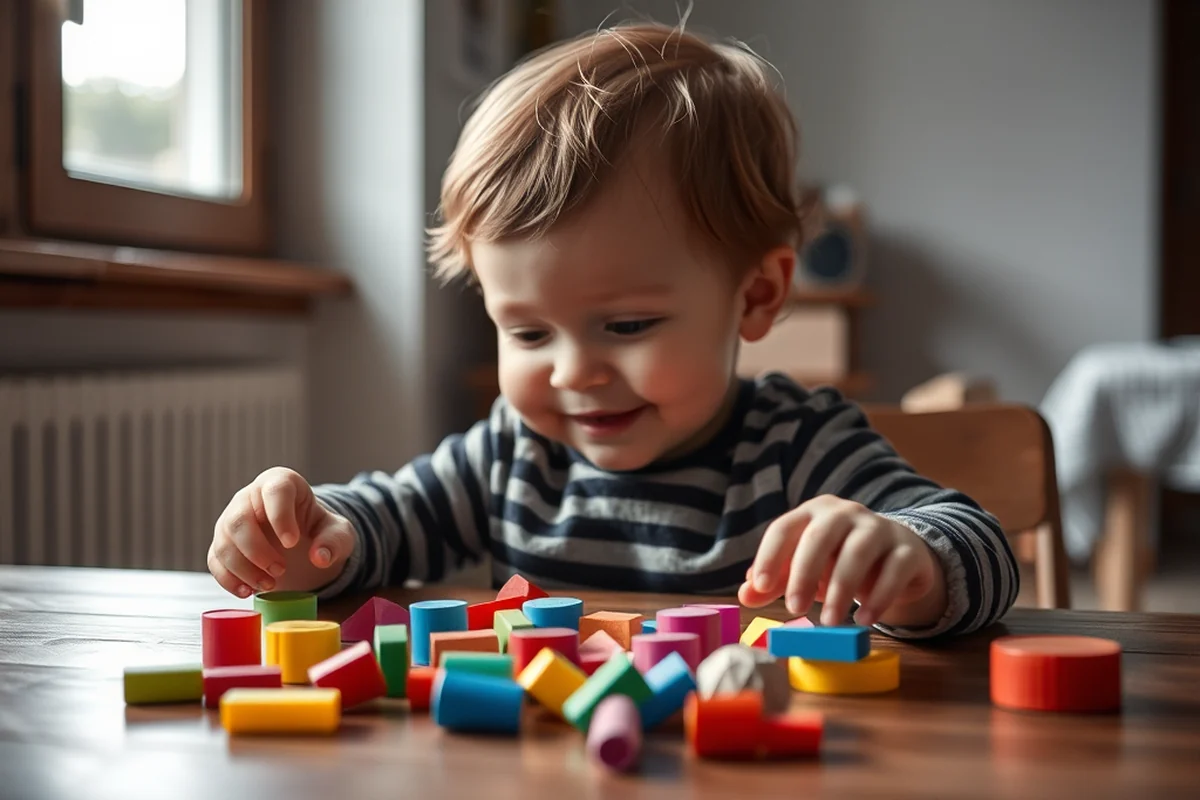
I started introducing open-ended toys like building blocks, art supplies, and sensory bins, and it was like watching a lightbulb turn on. My toddler would spend hours playing with these items, creating elaborate structures, or mixing colors in a way that felt like pure exploration.
What I love about open-ended play is that it allows toddlers to take the lead. I don’t have to direct them or explain every step — they just play. And that’s where the real magic happens. They’re learning without realizing it, which is the most powerful kind of learning.
One morning, my toddler built a whole city out of blocks, complete with tiny roads and buildings. I didn’t help — I just watched. It was the first time I saw him so focused and so happy. That’s the kind of engagement that matters.
Let them play — it’s where the real magic happens.
Related: Pottery barn kids bookshelf hanging
Related: Kids bookshelf for small room
Related: Small kids room bookshelf ideas
Related: How to child proof bookshelf
Related: Kids bookshelf ladder
Related: Kids bookshelf in store
Related: Kids bookshelf for desk
The Importance of Active Participation
I used to think that engagement was about giving my toddler space to play on his own, but I quickly realized that my presence made a huge difference. When I joined in — whether by building a tower with him or pretending to be a dinosaur — he became more excited and more involved.
What I learned from this is that engagement isn’t just about the toddler’s actions — it’s also about the parent’s actions. When I’m present and participating, it creates a sense of connection and makes the activity more meaningful for him.
Even small actions, like making eye contact or following his lead in play, can help keep him engaged. It’s not about controlling the game — it’s about being part of it.
Put down your phone and take part in your toddler’s play. Even a few minutes of active participation can make a big difference in their engagement.
“I remember the day my toddler, then 2 years old, sat in front of the TV for over an hour, completely absorbed by a cartoon.”— Choosing a Toddler Bookshelf editors
Related: Kids bookshelf large capacity
Related: Toddler books german
Related: Homemade books for toddlers
Related: Small bookshelf for kids books
Related: Kids bookshelf b m
Related: Kids bookshelf with shelf
Related: Kids bookshelf cloth
The Role of Movement in Engagement
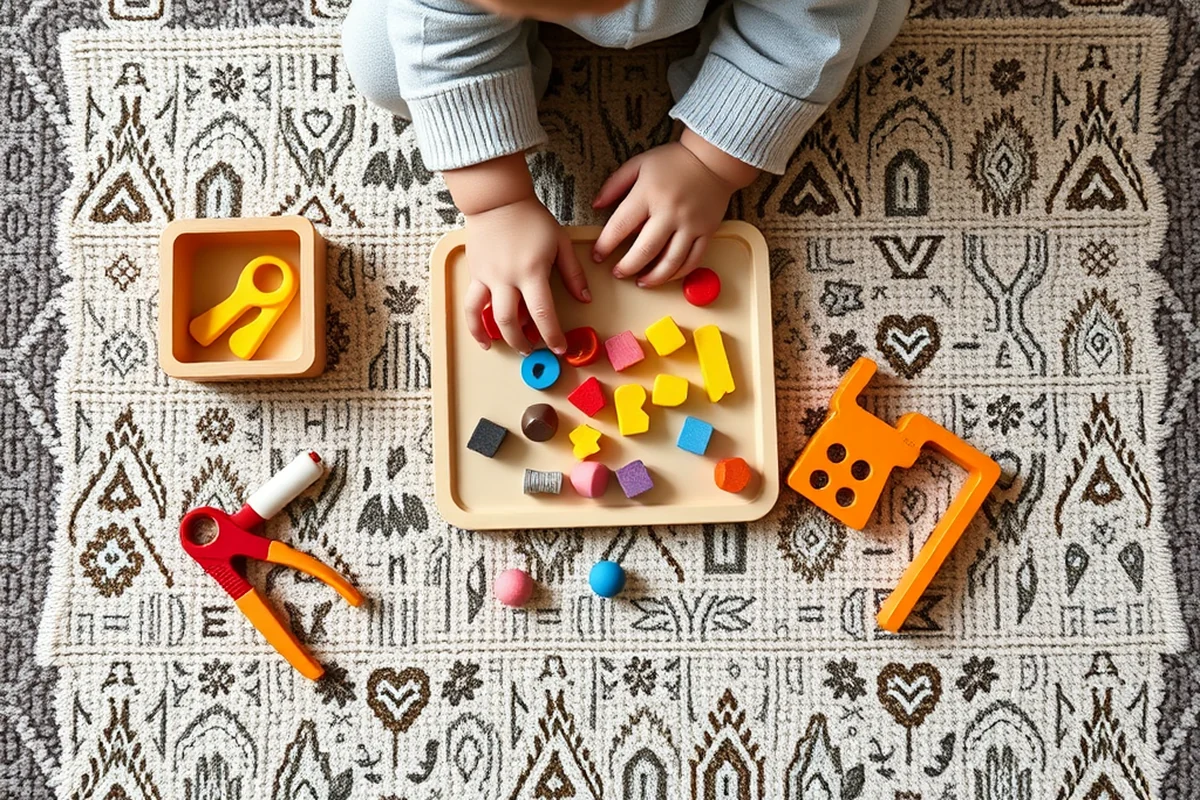
I noticed that my toddler was more alert and more responsive when he had the chance to move around. Whether it was dancing to music, playing with a ball, or climbing over a pile of pillows, movement helped him stay focused and engaged.
What I found is that movement helps toddlers process information and learn in a way that’s different from sitting still. It’s not just about burning off energy — it’s about creating a more active, responsive brain.
Since we started incorporating more movement into our playtime, I’ve seen a noticeable difference in his attention span and his willingness to engage with new activities. It’s a win-win for both of us.
Related: Kids bookshelf ireland
Related: Toddler books about winter clothes
Related: Kids bookshelf ideas
Related: Kids bookshelf black friday
Related: Kids bookshelf homemade
Related: Children s bookshelf plans free printable
Related: Kids wall bookshelf diy
The Power of Music and Rhymes
I began using songs and rhymes to help my toddler learn numbers, letters, and even simple concepts like colors and shapes. He would sit for minutes, repeating the words with me, and I could see his eyes light up with understanding.
What I found is that music is a natural way to introduce learning without making it feel like a lesson. It’s playful, it’s engaging, and it’s something that toddlers naturally enjoy.
Now, we have a set of songs that we play throughout the day — some are for learning, some are for fun, and some are just for the joy of it. It’s a simple, powerful way to keep him engaged and learning at the same time.
Related: Kids bookshelf small room
Related: Kids room hanging bookshelf
Related: Kids bookshelf jysk
Related: Children s bookshelf john lewis
Related: Kids small bookshelf wall
Related: Kids bookshelf house shape
The Benefits of Nature and Outdoor Play
Since we started taking our toddler to the park more often, I’ve noticed a big difference in his behavior and his level of engagement. He’s more alert, more curious, and more willing to participate in activities that require focus.
What I love about outdoor play is that it’s unpredictable and ever-changing. There’s something about the fresh air, the sounds of nature, and the physical activity that keeps toddlers engaged in a way that indoor play sometimes can’t.
Even a short walk in the neighborhood or a trip to the local playground makes a big difference. It’s not about spending hours outside — it’s about making the most of the time you have.
Nature is the best teacher — and the best playground.
Related: Kids bookshelf short
Related: Small corner bookshelf for kids room
Related: Kids bookshelf home centre
Related: Kids bookshelf diy
Related: Kids bookshelf ikea hack
The Impact of Parental Presence and Emotional Connection
I used to think that engagement meant keeping my toddler occupied with toys and activities, but I’ve learned that it’s more about being present with him and showing him that I care. When I’m fully attentive, he feels more secure and more willing to engage with me.
What I’ve come to realize is that toddlers are incredibly sensitive to the presence of their parents. When I’m distracted by my phone or my own thoughts, he notices — and it changes the way he interacts with me.
Now, I make a conscious effort to be fully present during our time together. It’s not always easy, but it’s made a big difference in the way he responds to me and the way he engages in play and learning.
🧸 Gentle Engagement
Ideal for parents who want to engage their toddler in a calm, unhurried way that prioritizes emotional connection over constant activity.
⚡ Fast-Track Engagement
For parents who need quick, effective strategies that can be implemented in a matter of minutes without extensive preparation.
✈️ Travel/Away-From-Home Engagement
Perfect for parents who are on the go and need simple, portable activities that can be used in different environments without a lot of gear.
👶 Multiples Engagement
Helpful for parents of multiple toddlers who need activities that can be shared or adapted for different ages and interests.
🔄 Regression Reset Engagement
A strategy for parents who are navigating developmental regression and want to help their toddler regain focus and engagement in a gentle, supportive way.
| The mistake | Why it happens | The fix |
|---|---|---|
| Overloading the toddler with too many activities at once. | This can overwhelm the toddler and lead to disinterest or frustration. | Introduce one or two simple activities at a time and allow your toddler to explore them at their own pace. |
| Using screens as the default way to keep the toddler occupied. | This can reduce the toddler’s ability to engage in creative, hands-on play and may impact their development. | Balance screen time with other forms of play and interaction that involve movement and creativity. |
| Forcing the toddler to engage in activities they’re not interested in. | This can lead to resistance and a lack of interest in future activities. | Observe your toddler’s interests and build activities around what they enjoy. Let them take the lead when possible. |
| Ignoring the toddler’s natural rhythms and trying to push them into a structured schedule. | This can create stress and reduce the toddler’s willingness to engage in activities. | Be flexible and adapt to your toddler’s energy levels and preferences. Create a routine that supports their natural rhythms rather than forcing them into a strict schedule. |
How To Keep Toddler Engaged At Home
Common Questions
What are some simple activities I can do with my toddler at home without any special equipment?
How can I keep my toddler engaged during long car rides or waiting times?
Is it okay to let my toddler watch TV or videos to keep them occupied?
How can I help my toddler stay focused during learning activities?
References
Cite this guide
Choosing a Toddler Bookshelf (2026). How To Keep Toddler Engaged At Home. https://bookwiden.com/how-to-keep-toddler-engaged-at-home/
Feel free to cite or share this guide.