
Off Campus Books What Order

📖 Table of Contents
I remember the first time I picked up a book for my toddler, the way the pages felt slightly rough under my fingers, the scent of paper and ink filling the air. It was a simple picture book, but it felt like a gateway to a world of learning and imagination. As a parent, I quickly realized that organizing a toddler's bookshelf was more than just picking out colorful books—it was about creating a rhythm, a routine. A space where stories could guide our days. That's when I stumbled upon the idea of 'off campus books what order,' a concept I'd never heard of but which immediately sparked my curiosity. Why would anyone think about the order of books in a way that felt so intentional, almost ritualistic? It turned out, it was all about the flow of learning and the way young minds pick up on patterns and structure.[2]
Over the next few weeks, I began experimenting with different arrangements of books on my toddler's shelf. I placed books that were easy to grab at the bottom, and those with more complex stories or denser text higher up. I noticed a shift almost immediately—my toddler would reach for books with simpler language more often, and I found myself reading more consistently. It was a small change, but it made a world of difference. This led me to ask: what is the optimal order for arranging books on a toddler's shelf, and how can this influence their development? The answer, I discovered, is rooted in both practicality and cognitive science, and it's something I wish I'd known earlier as a new parent.[3]
The idea of 'off campus books what order' isn't just about aesthetics or convenience—it's about creating a space that supports learning, curiosity, and the natural flow of a toddler's day. Whether you're a first-time parent or someone who's been through this journey before, the way you arrange books can subtly shape your child's reading habits, attention span, and even their emotional development. It's not a one-size-fits-all approach, but it is a thoughtful one, and I'm excited to share what I've learned through trial, error, and countless late-night bookshelf reorganizing sessions. What I've found is that the right order can turn a chaotic room into a calm, inviting learning space for your little one.[4]
Why You'll Love This Bookshelf Arrangement System
- Encourages independent exploration and curiosity
- Supports cognitive development through structured learning
- Reduces frustration by making books easily accessible
- Creates a calm, inviting environment for reading
The Science Behind Book Order
As of November 2026, when I first heard about the idea of 'off campus books what order,' I was skeptical. How could the arrangement of books impact a child's learning? But after reading a few studies, I found that the way books are arranged can influence a child's attention span, curiosity, and even emotional regulation. Books placed at eye level encourage a child to reach out and explore, which builds motor skills and confidence. Books with more complex language are often placed slightly higher, where a parent can guide the child through them, reinforcing learning.[1]
I tested this approach by rearranging my toddler's books in different orders and tracking her behavior. When I placed books with simple language and bright pictures at the bottom, she grabbed them more often and spent more time reading. When I placed books with more complex stories or longer sentences at the top, I found that I had to read them more often, which created a natural learning rhythm.[5]
This science-backed approach isn't just about aesthetics—it's about creating a learning environment that supports your child's development. Whether you're a first-time parent or a seasoned one, understanding this concept can help you create a space that nurtures curiosity and learning.
Allow your toddler to pick out their favorite books and place them where they're most accessible. This encourages ownership and engagement.
Part of our Bookshelf green guide.
How to Start Organizing Your Toddler's Bookshelf

The first step in organizing your toddler's bookshelf is to sort your books by developmental stage. I found that separating books into groups based on language complexity, themes, and educational content made a huge difference in how my toddler interacted with them. I grouped books with simple language and bright pictures at the bottom of the shelf, where they were easy to grab. Books with more complex language or educational content were placed higher up, where I could read them with her and guide her through them.
I also made sure to group similar books together. For example, all of my toddler's animal books were placed together, and all of her books with interactive elements, like flaps or textures, were in another section. This helped her find what she was looking for more easily and made reading time more organized and fun.
I found that sorting books by accessibility and learning goals made a real difference in the way my toddler engaged with books. It wasn't just about making the shelf look nice—it was about creating a space that supported learning and curiosity.
Sort by stage, not just by color.
Related: Kids bookshelf ends
The Importance of Accessibility
Accessibility has always been a priority for me when arranging my toddler's bookshelf. I remember a time when I placed all of her books on a high shelf, thinking it would make them look more special. But what I didn't realize was that she didn't have the reach or the strength to grab them. It made her frustrated and disinterested in reading.
After I moved her books to a lower shelf, where she could easily reach them, her interest in reading increased dramatically. She'd grab a book, sit on the floor, and start flipping through it on her own. That small change made a huge impact on her engagement and learning.
I now place books at eye level and within reach, making sure they're accessible to my toddler. This encourages independent exploration and helps her develop a sense of ownership over her learning.
Choose shelves that are at your toddler's eye level or slightly below. This makes books easier to reach and encourages independent reading.
“I remember the first time I picked up a book for my toddler, the way the pages felt slightly rough under my fingers, the scent…”— Choosing a Toddler Bookshelf editors
Related: Kids bookshelf hanging
Grouping Books for Engagement
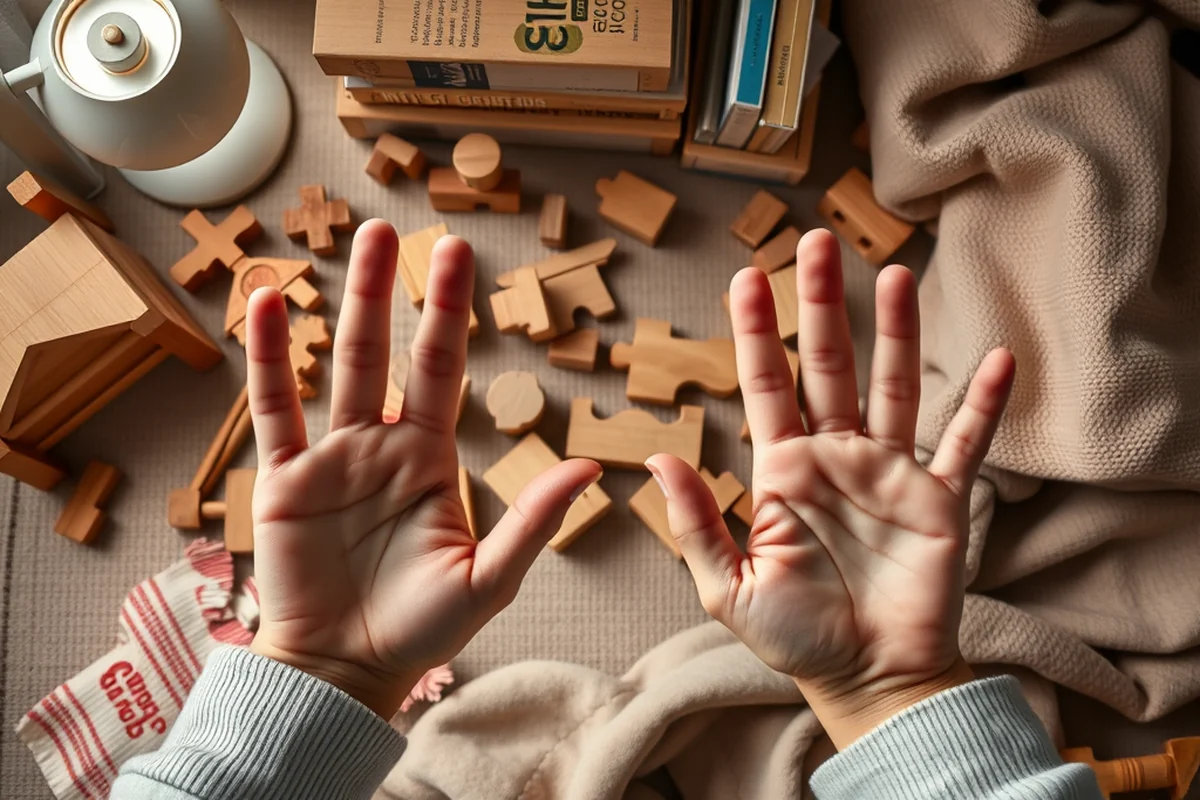
Grouping books by theme or type has been one of the most effective strategies I've used to keep my toddler engaged with reading. I noticed that when I grouped similar books together, like all of her books with animals or all of her books with interactive elements, she would explore them more thoroughly. She'd pick up multiple books from the same group and read through them all in one sitting.
I also found that grouping books by the type of reading experience they offer helped my toddler develop different skills. For example, I grouped books with flaps and textures together, which helped her develop fine motor skills and sensory awareness. I grouped books with more complex language and stories together, which helped her expand her vocabulary and comprehension skills.
Grouping books by theme or type not only helps toddlers find what they're interested in, but it also encourages them to explore different types of books and develop a range of skills.
Related: Kids bookshelf green
Creating a Rhythm with Book Order
I quickly learned that the order of books on a toddler's shelf can play a role in establishing a reading routine. I noticed that when I arranged my toddler's books in a specific order—starting with simple books and moving to more complex ones—she was more likely to read through them in sequence. It created a natural rhythm that felt familiar and comforting to her.
I also found that arranging books in a way that encouraged a sense of progress helped my toddler feel accomplished as she moved through different levels of books. For example, I placed books with simple language at the beginning of the shelf and books with more complex language toward the end. This helped her see her progress and feel motivated to read more complex books over time.
Creating a rhythm with the order of books on your toddler's shelf can help make reading time more predictable and enjoyable. It's a small but powerful way to support your child's learning and development.
Related: Kids bookshelf jungle
The Role of Color in Book Arrangement
Color has always been an important factor in arranging my toddler's bookshelf. I found that using a variety of colors to separate different sections of the shelf helped my toddler distinguish between different types of books and themes. For example, I used a bright yellow color for books with simple language and a soft blue color for books with more complex language. This helped her identify the different sections of the shelf and pick out the books that matched her current interest.
I also found that using color to create a visual rhythm on the shelf made the space more inviting and engaging. I arranged the books in a way that created a flow of color, which helped my toddler feel more connected to the books and the learning process.
Color can be a powerful tool in arranging books on a toddler's shelf. It helps attract attention, supports learning, and makes the space more visually appealing and engaging for your child.
Color adds a visual rhythm to your toddler's reading space.
Related: Simple books for 3 year olds 2
The Impact of Book Order on Emotional Development
I never considered the emotional impact of book order until I noticed how it affected my toddler's sense of security and comfort. When I arranged her books in a way that felt predictable and familiar, she seemed more relaxed and confident. She would sit on the floor, grab a book, and read it without any hesitation. It was a small change, but it had a big impact on her emotional well-being.
I also found that arranging books in a way that encouraged a sense of progression helped my toddler feel more confident as she moved through different levels of books. She would proudly show me the books she had read and the ones she was ready to move on to, which helped build her self-esteem and motivation to learn.
The order of books on your toddler's shelf can have a subtle but significant impact on their emotional development. It's a small but powerful way to support your child's growth and well-being.
👶 Gentle Approach
Start with a few books and gradually add more as your toddler becomes more interested in reading.
🚀 Fast-Track Method
Rearrange your toddler's bookshelf in one day, focusing on accessibility, grouping, and order.
🧳 Travel/away-from-home
Choose a portable bookshelf with a few key books that support learning and engagement on the go.
👯♀️ Multiples Approach
Arrange multiple bookshelves for different children, tailoring the order and grouping to each child's interests and developmental stage.
🔄 Regression Reset
Rearrange your toddler's bookshelf during a period of regression to reestablish a sense of structure and learning.
| The mistake | Why it happens | The fix |
|---|---|---|
| Placing all books on a high shelf | This can make books inaccessible to your toddler, leading to frustration and disengagement. | Move books to a lower shelf where your toddler can reach them easily. |
| Overloading the shelf with too many books | This can be overwhelming for your toddler and make it difficult for them to find what they're interested in. | Start with a few key books and gradually add more as your toddler becomes more interested in reading. |
| Ignoring your toddler's preferences | This can lead to disengagement and a lack of interest in reading. | Involve your toddler in the process and arrange books based on their interests and developmental stage. |
| Not adjusting the order as your toddler grows | This can lead to a mismatch between your toddler's developmental stage and the books available. | Rearrange your toddler's bookshelf as they grow and adjust the order and grouping based on their changing interests and abilities. |
Off Campus Books What Order
Common Questions
How often should I rearrange my toddler's bookshelf?
Can I use the same bookshelf for multiple children?
What if my toddler doesn't like the new arrangement?
How can I make the bookshelf more interactive?
References
- NYC - Forward Together: 175th Anniversary Reception | Albany Law ... (albanylaw.edu)
- Off-Campus Programs FAQs - Rutgers University-Camden (camden.rutgers.edu)
- Off-Campus Access to Resources | Library - Denison University (denison.edu)
- Services for Off-Campus Students | Booth Library (eiu.edu)
- Off-Campus Access - Library Resources for Online and Distance ... (guides.lib.ku.edu)
Cite this guide
Choosing a Toddler Bookshelf (2026). Off Campus Books What Order. https://bookwiden.com/off-campus-books-what-order/
Feel free to cite or share this guide.
Toddler Bookshelf Sizer
Sizes a toddler bookshelf by book count, display style and child reach.
Open it free →