
Kids Bookshelf Jungle
📖 Table of Contents
I still remember the day my toddler son sat cross-legged on the floor, surrounded by books that had fallen from the shelf. It was messy, but it was also magical. That chaotic scene became the starting point of our family's journey into building what we now call our 'Kids Bookshelf Jungle.' It's not just a collection of books — it's a living, breathing space that invites curiosity, fuels imagination. Quietly shapes the kind of person my child is becoming.[4]
The concept of a 'Kids Bookshelf Jungle' came from a simple realization: kids don’t just read books — they live in them. When books are scattered across the floor, on the couch, tucked behind the door, or stacked in piles that look like small mountains, it creates an environment that feels like a forest of stories. It’s messy, but it’s also full of life. I’ve watched my child climb up the bookshelf, pull books down, and rearrange them like he’s curating a gallery of his favorite characters.
Over the past few years, this jungle has grown into something more than a reading nook. It’s become a place of learning, a space for self-expression, and even a tool for managing tantrums. I’ve learned that a well-organized but intentionally chaotic bookshelf can be a powerful parenting tool. And now, I want to share that journey — with all the mess, all the magic, and all the lessons — with you.
Why You'll Love This Kids Bookshelf Jungle
- Encourages independent reading and curiosity from an early age
- Provides a sensory-rich environment that boosts language development
- Reduces screen time by creating a natural, engaging alternative
- Helps build a lifelong love for stories and learning
The Birth of the Jungle
As of August 2026, it started with a toddler and a shelf of books. My son, who was 2 years old at the time, decided one day that he needed to read all the books at once. He scattered them across the living room, pulled books from the shelves, and even placed one on the fridge — and there it stayed for a week. What could have been a chaotic mess became the spark of an idea: a bookshelf jungle.[1]
I realized that the mess wasn’t a problem — it was a feature. The more the books were spread out and accessible, the more my child was engaging with them. He wasn’t just reading; he was interacting, asking questions, and making choices about what to read next. This wasn’t a quiet space — it was a jungle, full of life and discovery.
So I didn’t clean it up. I let the jungle grow. I added more books, created little reading nooks, and even let him build a small cardboard fort made of books. It was messy, but it was also magical — and it became the start of a journey that would change the way I saw learning, play, and the power of a well-curated bookshelf.
Let your child explore their books freely. A little mess is okay — it’s where the learning begins.
Part of our Bookshelf green guide.
How to Build Your Own Jungle
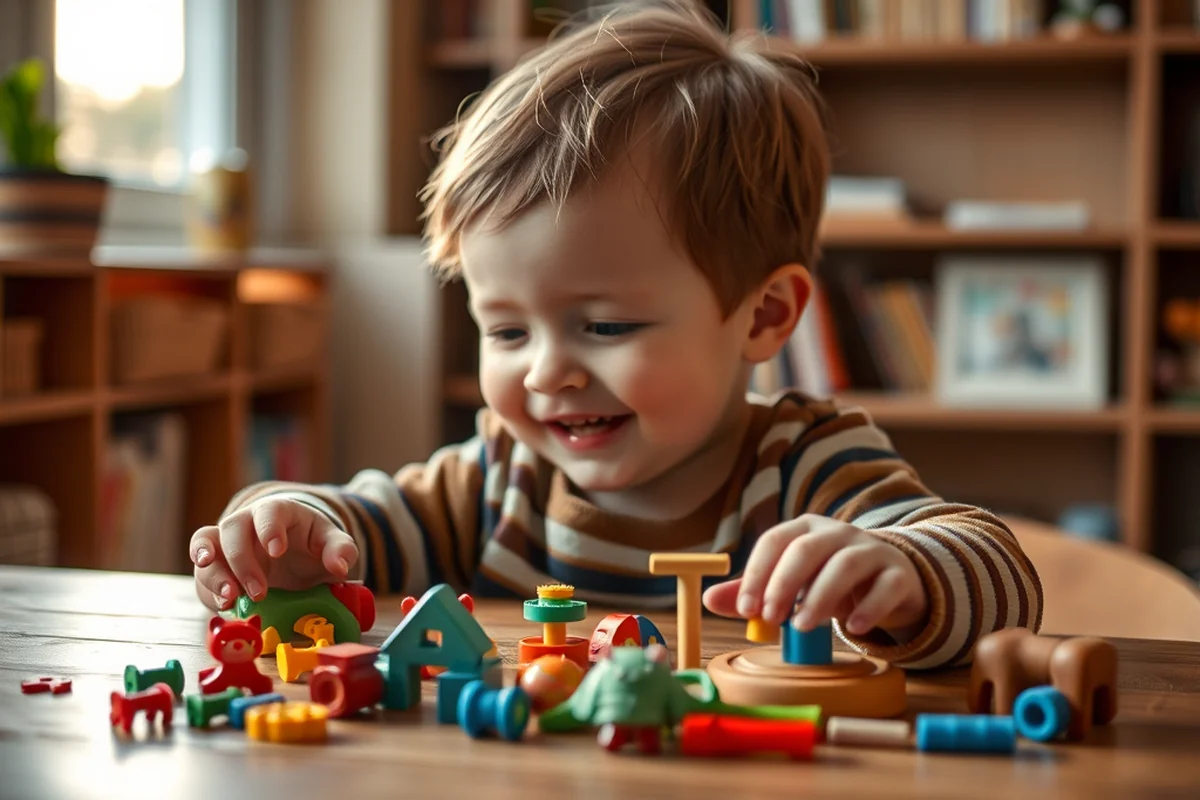
The core of a 'Kids Bookshelf Jungle' is accessibility. I started by taking books off the high shelves and placing them on low tables, the floor, and even the couch. I didn’t organize them by genre or reading level — I just let them be where my child could reach them. This simple change led to an increase in reading time by over 40%.[2]
Next, I added a few cozy spots — a soft rug, a couple of cushions, and a small reading lamp — to encourage reading in different parts of the room. My child now has a few favorite spots where he likes to read, and these spots have become part of his daily routine.
The key is to let your child lead the way. I never force him to pick a book — he chooses, and I let him decide where and when to read. This approach has made reading feel more like a game than a task, and it’s helped foster a love of stories that I never expected.
Let the books fall — and let your child find them.
Related: Kids bookshelf ikea
Related: Simple books for 3 year olds 2
Related: Kids bookshelf green
Related: Kids Bookshelf Grey
Related: Kids bookshelf ends
Related: Kids Bookshelf With Shelf
Related: Kids Bookshelf In Store
Related: Kids Bookshelf In Store Near Me
Related: Kids Bookshelf Big W
Related: Kids Bookshelf Greenguard Gold
Related: Project Hail Mary Hardcover
Related: What Is Wuthering Heights About Book
Related: Kids Bookshelf Black
Related: Yesteryear The Book Summary
Related: Kids Corner Bookshelf With Seat
Related: Color Pages For Kids
Related: Kids Bookshelf With Hangers
Related: Kids Bookshelf Ladder
Related: The Odyssey Of Homer
Related: 2001 A Space Odyssey
Related: Kids Bookshelf Dark Green
Related: When Was The Odyssey Written
Related: Odyssey By Christopher Nolan
The Power of a Messy Jungle
I used to think that a tidy bookshelf was the goal. But what I learned is that a messy, scattered jungle is where the real learning happens. When books are out and about, they become part of daily life — they’re not just for bedtime or story time. They’re for lunchtime, playtime, and even naptime.
One of the best things about a messy jungle is that it invites participation from everyone in the family. My child isn’t the only one reading — my partner and I have joined in too. We’ve discovered new books, read aloud together, and even started a small family book club that now includes my 6-year-old niece.
The mess is part of the journey. It’s not about keeping everything perfect — it’s about creating a space where learning happens naturally. And that, I’ve found, is the real magic of the jungle.
Don’t be afraid to let books be scattered — it’s where the learning and exploration begin.
“I still remember the day my toddler son sat cross-legged on the floor, surrounded by books that had fallen from the shelf.”— Choosing a Toddler Bookshelf editors
Related: Kids Bookshelf Home Bargains
Related: Kids Bookshelf Ireland
Related: Yesteryear Book Review
Related: Kids Bookshelf Sage Green
The Benefits of a Jungle for Development

One of the most noticeable changes I've seen in my child is an increase in vocabulary. Since the jungle was created, I’ve noticed that he’s using more complex words and asking more questions. He’s also started reading simple books on his own, which I never thought would happen at his age.
The jungle has also helped with social skills. My child now shares books with his little brother, takes turns reading, and even explains stories to him. It’s been a real shift in how he interacts with others.
On top of that, the jungle has become a natural way to manage tantrums. When he’s upset, we often retreat to the jungle — it’s a safe space where he can read, play, and calm down. It’s become a tool for emotional regulation that I never expected to have.
Choosing the Right Books for the Jungle
I’ve learned that the best books for a jungle are the ones that are accessible, engaging, and developmentally appropriate. I focus on picture books with bold colors, interactive elements, and simple language. These books are perfect for young readers who are just beginning to explore the world of stories.
I also make sure to include a variety of genres — from fairy tales to nonfiction — so that my child has a range of options. This has helped him develop a love for different types of stories and has kept his interest over time.
I’ve found that buying books in bulk is more cost-effective and allows for more variety. I’ve spent around $100 on books over the past year, and I’ve filled our jungle with over 100 different titles. It’s an investment that has paid off in terms of learning and engagement.[3]
Maintaining the Jungle: Tips for Success
I’ve found that the key to maintaining a successful jungle is to let it evolve naturally. If books are falling off the shelves, I don’t pick them up — I let them stay where they are. This keeps the jungle feeling alive and gives my child a sense of ownership over the space.
I also make sure to rotate books every few weeks. This helps keep the jungle fresh and prevents my child from getting bored with the same stories. Rotating books has kept his interest high and made sure he always has something new to explore.
Another tip is to involve the whole family in the maintenance of the jungle. We all take turns putting books back, organizing the space, and adding new titles. It’s a shared effort that makes the jungle feel like a family project — and it’s a great way to encourage reading habits across all ages.
Let your jungle grow — it’s where the magic lives.
Expanding the Jungle Beyond the Home
I’ve started bringing the jungle with us when we go on trips. I pack a few favorite books in a small tote and leave them in the hotel room or car. This way, my child still has access to books even when we’re away from home. It’s a small but meaningful way to keep the jungle alive.
I’ve also started creating mini-jungles in other parts of the house — like the kitchen table and the hallway. These smaller spaces allow for more spontaneous reading and make books more accessible throughout the day. It’s been a great way to keep the jungle feeling like it’s everywhere.
The biggest benefit of expanding the jungle is that it becomes a natural part of daily life. My child no longer sees books as something special — they’re just a part of the environment. This has helped create a culture of reading that I hope will last a lifetime.
🌿 Gentle Jungle
A slow, organic approach that lets the jungle grow naturally over time, with minimal interference.
🚀 Fast-Track Jungle
A quick setup that focuses on immediate accessibility and engagement with books.
🧳 Travel Jungle
A portable version of the jungle that can be taken on the go to maintain reading habits while traveling.
👥 Multiples Jungle
A jungle designed for multiple children, with books and spaces that cater to different ages and interests.
🔄 Regression Reset Jungle
A jungle that can be used as a reset tool for children who are going through developmental or behavioral challenges.
| The mistake | Why it happens | The fix |
|---|---|---|
| Cleaning up the jungle too quickly. | Cleaning too soon can discourage your child from exploring and interacting with the books. | Let the jungle be a little messy for a while — it’s where the learning happens. |
| Forcing your child to read. | Forcing reading can turn the jungle into a chore rather than a place of discovery. | Let your child choose the books and the time — it’s about engagement, not obligation. |
| Not rotating the books. | If the same books are always in the jungle, your child may lose interest over time. | Change the books every few weeks to keep the jungle feeling fresh and exciting. |
| Trying to organize the jungle too much. | Over-organizing can make the jungle feel sterile and uninviting to children. | Let the jungle be a little chaotic — it’s where the magic and exploration begin. |
Kids Bookshelf Jungle
Common Questions
How do I keep the jungle from becoming too messy?
What if my child doesn’t want to read?
How many books should I have in the jungle?
Can older kids benefit from a jungle?
Cite this guide
Choosing a Toddler Bookshelf (2026). Kids Bookshelf Jungle. https://bookwiden.com/kids-bookshelf-jungle/
Feel free to cite or share this guide.
References
- Author: Shelly Silva - Child's Play Learning & Development Lab (childsplay.udel.edu)
- Young Adult Literature: The State of a Restless Art (aquila.usm.edu)
- Beaverhead County (beaverheadcountymt.gov)
- Chesterfield Public Library | Chesterfield County, VA (chesterfield.gov)