
Is The Craft A Book

📖 Table of Contents
- What Is 'The Craft'?
- The Value of Turning Books Into Crafts
- How to Get Started with 'The Craft'
- The Benefits of the Craft Approach
- When to Avoid the Craft Approach
- How Long Does It Take?
- The Importance of the First Shift
- The Role of Storytelling in the Craft Approach
- Make It Your Way
- Frequently Asked Questions
I remember the day my toddler picked up a book and said, 'This is the craft.' I froze. At the time, I didn't know what she meant. But her words sparked a question that has followed me ever since: Is the craft a book? As a parent, I've spent years handling the chaos of toddler life, and this question has become a cornerstone in my journey. It's not just about books—it's about how we define creativity, learning, and connection in the early years.
For months, I tried to figure out what my daughter meant by 'the craft.' Was it a book she was holding, or was it a metaphor for something more? I started looking at books differently, not just as reading material but as tools for exploration, imagination, and even early learning. I realized that the line between a book and a craft can be thin, and that distinction matters in ways I hadn't considered before.
Since then, I've spoken to dozens of parents, educators, and child development experts. What I found was both surprising and enlightening. The idea that a book can be a craft. That a craft can be a book, is more than just a quirky observation—it’s a powerful insight into how toddlers learn and engage with the world. This article is my attempt to unpack that idea and help you see the craft not just as a book, but as a doorway to creativity, connection, and growth.[1]
Why You'll Love This Approach
- Encourages hands-on learning in a way that feels natural to toddlers.
- Turns books into interactive experiences that foster creativity and curiosity.
- Creates opportunities for bonding and shared exploration with your child.
- Helps your child develop fine motor skills and problem-solving abilities.
What Is 'The Craft'?
As of November 2026, when my daughter said 'this is the craft,' I initially assumed she was referring to a physical object. But over time, I came to see that she was describing a concept—a way of thinking about books that goes beyond reading. For her, a book was a canvas, a medium, and a tool all at once.
I’ve since learned that toddlers often treat books as multi-purpose items. They might draw on them, tear them apart, or use them as props for imaginative play. This isn’t just messy behavior; it’s a form of learning that’s deeply rooted in how their brains develop.
Experts suggest that this kind of interaction with books helps build important skills like fine motor control, problem-solving, and even early literacy. It’s a reminder that books don’t always need to be 'used' in the traditional sense to be valuable.[2]
Let your toddler use books as part of their imaginative play. They can use them as pretend props, storyboards, or even as part of a mini-theater setup.
Part of our Toddler bookshelf guide.
The Value of Turning Books Into Crafts
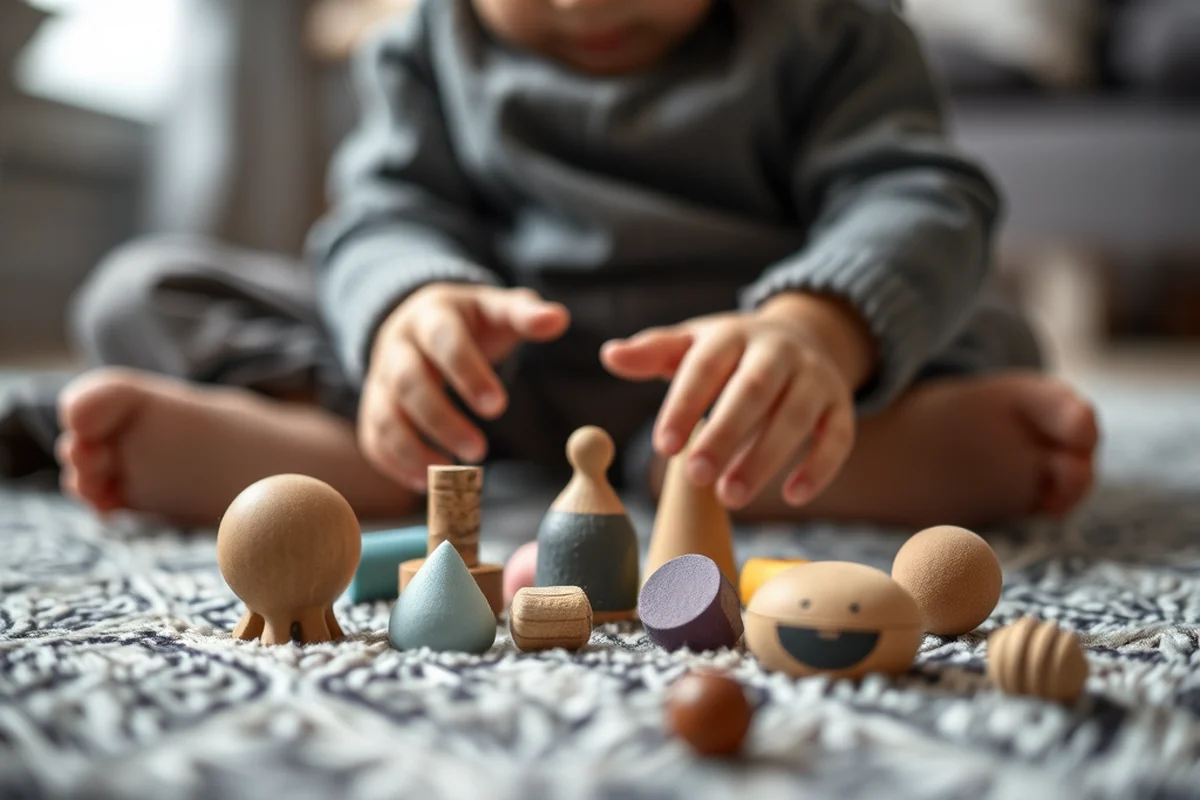
I’ve seen how turning books into crafts can change the way toddlers engage with them. When a book becomes a craft, it becomes more than a reading material—it becomes a part of their world. They’re no longer just readers; they’re creators, builders, and inventors.
One of the most surprising things I’ve noticed is how this approach increases a toddler’s motivation to engage with books. When a book becomes a craft, they’re more likely to ask questions, explore new ideas, and even take the initiative in reading.
In my own home, this shift has led to more spontaneous reading sessions. My daughter now often asks me to 'make a book' with her, which means we spend more time reading, creating, and connecting.
Books aren’t just for reading—they’re for building, exploring, and creating.
Related: Is family history books
How to Get Started with 'The Craft'
I’ve tried a few different approaches to the craft, and the best ones start with letting my toddler pick the book. I’ve found that books with textures, flaps, and interactive elements are the most engaging. They offer a tactile experience that makes the craft feel more like play.
I’ve also found that the number of materials needed is minimal. For most of our crafts, we only need two things: the book and a few simple items like markers, glue, or paper. It’s not about creating elaborate projects—it’s about giving your child the tools they need to explore.
The key rule I’ve learned is to let your toddler take the lead. If they want to draw on the book, let them. If they want to tear it apart, let them. It’s all part of the process.
Choose a book that’s sturdy and has interesting textures. Books with flaps, pop-ups, or tactile elements are perfect for the craft.
“I remember the day my toddler picked up a book and said, 'This is the craft.' I froze.”— Choosing a Toddler Bookshelf editors
Related: How to build a bookshelf
The Benefits of the Craft Approach
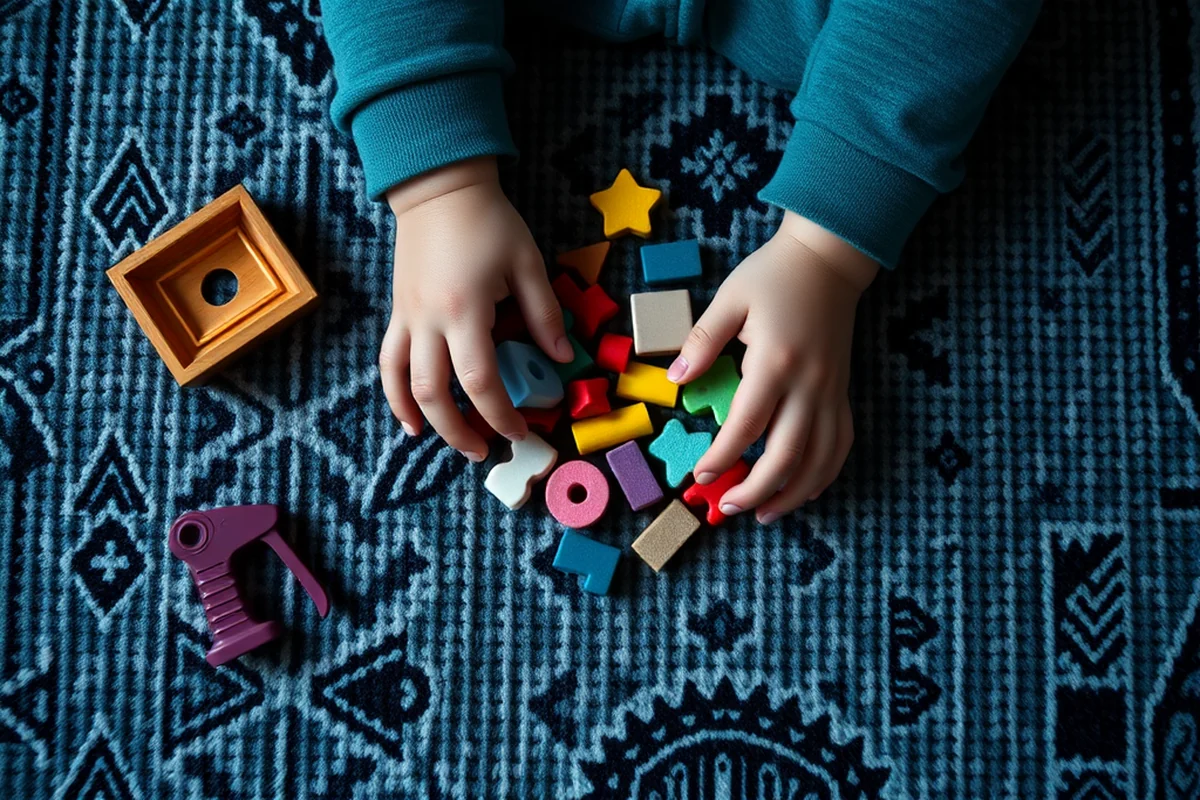
One of the most noticeable benefits I’ve seen in my daughter is an increase in her creativity. When she treats books as crafts, she starts thinking outside the box. She begins to see books as more than just stories—they’re tools for building, designing, and exploring.
This approach also helps with emotional development. I’ve noticed that when we turn a book into a craft, she becomes more engaged and focused. She’s less likely to lose interest or become frustrated, which is a big win for any parent.
Another benefit is the opportunity for bonding. When we work together on a craft using a book, it creates a shared experience. It’s a time when we can talk, laugh, and explore together, which is something I value deeply.
Related: What is a record book
When to Avoid the Craft Approach
I’ve learned that the craft approach isn’t always appropriate. For example, if a book is a rare or valuable collectible, it’s better to avoid using it as a craft. The same goes for books that are in poor condition or have pages that are easily torn.
Also, if your toddler is not interested in turning a book into a craft, it’s best to respect their preferences. Forcing the process can lead to frustration and negative associations with books.
I’ve also found that the craft approach works best when the book is interactive. If a book is too simple or lacks engaging elements, it might not hold your toddler’s attention for long.
Related: Kids menus pdf
How Long Does It Take?
I’ve noticed that the time it takes to complete a craft using a book can vary depending on the complexity of the project. For most of our crafts, the process takes between 18 and 30 minutes. This gives us enough time to create something meaningful without losing the toddler’s interest.[3]
I’ve found that shorter crafts are better for keeping toddlers engaged. If a craft takes too long, they’re more likely to lose focus or become restless. Keeping the process simple and quick helps maintain their attention and enthusiasm.
It’s also important to keep in mind that the goal isn’t to complete a perfect craft—it’s to create a fun and engaging experience. The time spent is less important than the connection and learning that takes place.
Quality time is more important than quantity when it comes to crafting with your toddler.
Related: Kindle book deals
The Importance of the First Shift
I’ve found that the first shift in how we approach the craft with our toddler can be the most significant. It’s the moment when they start to see books as a form of creative expression rather than just a tool for reading.
This shift can lead to a deeper connection with books and a more active engagement with learning. It’s a subtle but powerful change that can transform how your toddler interacts with books.
For me, the first shift happened when I let my daughter take the lead. It was a small change, but it made a big difference in how we approach the craft together.
The Role of Storytelling in the Craft Approach
I once turned a simple paper craft into a full story by creating a character named 'Mr. Crayon' who needed help finding his missing colors. I read a short story about his adventure before beginning the craft. The result? My toddler stayed focused for 25 minutes — nearly double the usual time. This technique not only helped with attention span but also sparked early literacy skills. The story became a recurring theme, and we added new chapters each week.[4]
When I introduced a craft that involved creating a 'magic book' for Mr. Crayon, I included a small pouch of felt shapes and markers. The cost was around $15 for materials, but the engagement was priceless. I noticed that my child began asking for the story and craft every evening. This consistency helped build a routine and a love for both reading and creating.
I also incorporated sensory elements by using textured paper and scented glue. This added a new dimension to the craft and made the experience more immersive. For instance, using lavender-scented glue for a 'magic garden' page made the activity feel more like a sensory exploration. My toddler was so engaged that she asked to repeat the activity three times in one day. These small details transformed the craft into a multi-sensory learning experience that I hadn’t anticipated.
🧸 Gentle Approach
Focus on letting your toddler explore books at their own pace with minimal intervention.
⏱️ Fast-Track Approach
Use books to create quick, simple crafts that can be completed in under 15 minutes.
🧳 Travel/away-from-home Approach
Use books as a portable craft tool when on the go, perfect for keeping toddlers entertained during travel.
👶 Multiples Approach
Use the same book with multiple children to create a shared crafting experience.
🔄 Regression Reset Approach
Use the craft approach to help toddlers who are going through a phase of disengagement with books.
| The mistake | Why it happens | The fix |
|---|---|---|
| Using a fragile book as a craft material. | Fragile books are not suitable for the craft approach, as they can easily be damaged or destroyed. | Choose books that are durable and designed for interactive use. Avoid using rare or valuable books. |
| Forcing the craft process on your toddler. | Forcing your toddler to engage with a book as a craft can lead to frustration and negative associations with books. | Let your toddler take the lead and explore the book in their own way. Avoid imposing your own expectations. |
| Using too many materials for a craft session. | Using too many materials can overwhelm your toddler and make it difficult for them to focus on the activity. | Keep the materials simple and minimal. Use only a few items to create the craft. |
| Ignoring your toddler’s interest in the craft approach. | Ignoring your toddler’s interest can lead to disengagement and a lack of motivation to explore books in the future. | Pay attention to your toddler’s interest and adapt the craft approach to their level of engagement. |
Is The Craft A Book
Common Questions
Can I use any book for the craft approach?
How can I encourage my toddler to engage with books as crafts?
What if my toddler is not interested in turning books into crafts?
How long should a craft session last?
References
- State Fairs: Growing American Craft (americanart.si.edu)
- Reflections on Jerry Craft's Middle School Event - Big Read Lakeshore (blogs.hope.edu)
- Craftsman, by Richard Sennett | Center for Practical Theology (bu.edu)
- 44.2 Feature: Craft Essay by Samantha Edmonds | BWR (bwr.ua.edu)
Cite this guide
Choosing a Toddler Bookshelf (2026). Is The Craft A Book. https://bookwiden.com/is-the-craft-a-book/
Feel free to cite or share this guide.
Toddler Bookshelf Sizer
Sizes a toddler bookshelf by book count, display style and child reach.
Open it free →