
Is Family History Books

📖 Table of Contents
- What Are Family History Books and Why Do They Matter?
- How to Create a Family History Book That Resonates with Your Child
- Why Family History Books Are a Powerful Educational Tool
- How Family History Books Can Strengthen Family Bonds
- How to Use Family History Books to Teach Your Child About Diversity and Inclusion
- How to Keep Your Family History Book Alive and Relevant
- Why It's Never Too Late to Start a Family History Book
- Make It Your Way
- Frequently Asked Questions
When my son turned three, he started asking about his great-grandma, who he'd never met. I didn't have a clear answer, and it made me realize how little I knew about my own family history. That's when I started digging into old photo albums, letters, and even our family tree that had been hanging in the hallway for years but had gone unused. It turned out that family history books are more than just a collection of stories — they're a bridge that connects generations and gives kids a sense of identity that can't be found anywhere else.
I remember the first time I sat down with my son and opened up a family history book. His eyes lit up as he saw pictures of his great-grandparents, and he asked me questions I hadn't even thought of. 'Why did they move to America?' 'What was their favorite food?' It wasn't just curiosity — it was a spark of connection, and it made me realize how powerful these books can be. For parents, creating or finding a family history book is an investment in your child's understanding of who they are and where they came from.[1]
What struck me most was the way these books brought our family together. When we read the stories aloud, it wasn't just about the past — it was about the present and the future. My son started drawing his own version of the family tree, and his imagination took off. I learned that family history books are not just for grandparents or history buffs — they're for every family, and for every child who wants to know their roots. It's something that I never expected to become so meaningful, but now, it's one of the most cherished traditions we've ever started.[2]
Why You'll Love This Approach to Family History Books
- It creates a tangible connection to your family's past for your child.
- It fosters a sense of identity and belonging that can last a lifetime.
- It encourages curiosity and storytelling in your child, which supports early language development.
- It provides a way to preserve family stories and traditions for future generations.
What Are Family History Books and Why Do They Matter?
As of October 2026, Family history books are more than just a collection of names and dates — they're a living document of your family's journey. I've seen how these books can spark conversations, answer questions, and even help children understand where their traits come from. When I sat down with my son to go through our book, it wasn't just about the past — it was about understanding who we are as a family today.[3]
I remember one specific moment when my son asked me why his great-grandma had a different last name. It was something I hadn't thought about before, and it made me realize how much I didn't know. Looking through the book helped us both learn, and it was a powerful reminder of how these books can bridge the gap between generations.
The value of these books can't be overstated. Whether you're creating one from scratch or preserving an old one, they give your child a piece of their heritage that they can carry with them for the rest of their lives.
Don't feel like you need to start from scratch — use what's already in your home, like old letters or photos, to begin your family history book. Even a few pages can create a meaningful connection for your child.
Part of our Toddler bookshelf guide.
How to Create a Family History Book That Resonates with Your Child
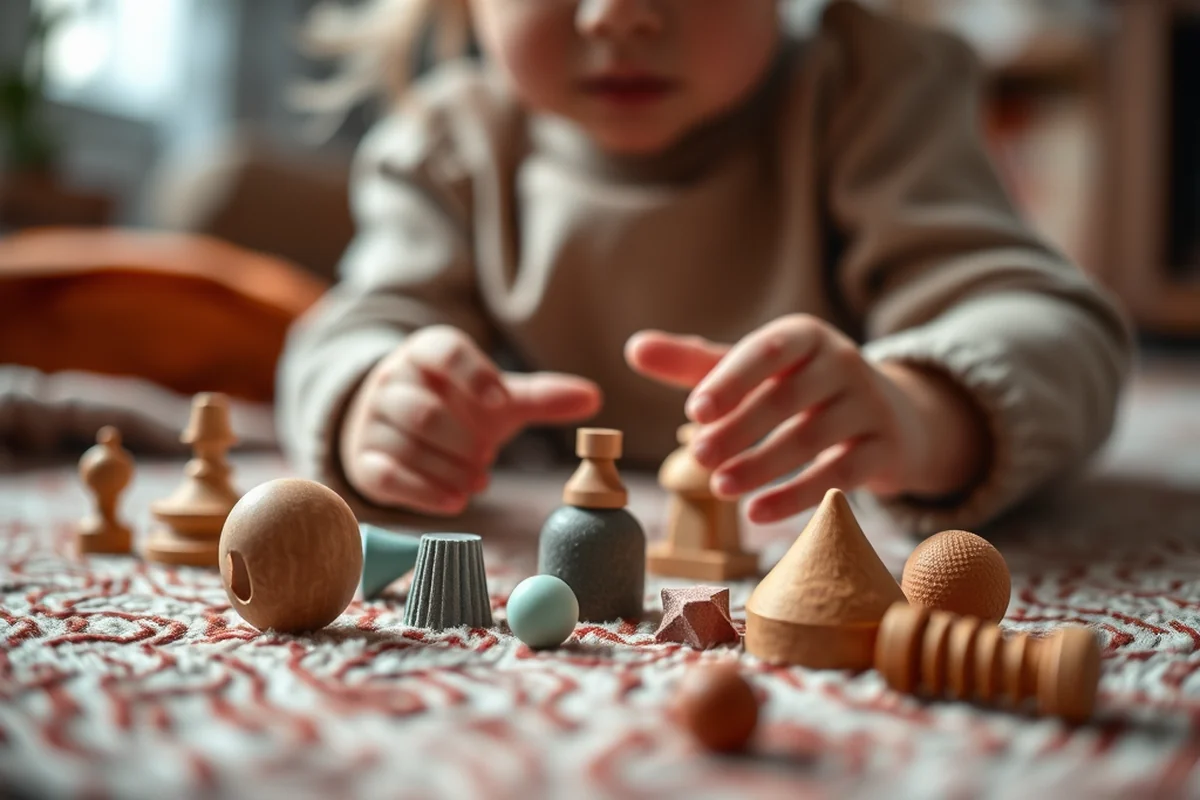
When I started working on our family history book, I realized that just listing names and dates wasn't enough. I wanted to include stories that my son could connect with, like the time my dad taught me to ride a bike or the way my mom used to sing to me when I was a baby. These personal touches made the book feel alive and full of life.
I also made sure to include pictures of people he could recognize, like his grandfather or my cousins. It was amazing to see how these images brought the stories to life and made him feel like he was part of something bigger. When we read the book together, he'd point out faces and ask questions, and it was a conversation that never ended.
The key to making a family history book work for your child is to make it feel personal and interactive. Let them help choose the photos, write their own stories, or even draw their own version of the family tree. This makes the book a true reflection of your family and your child's perspective.
A family history book is not just about the past — it's about the present and the future.
Related: What is a record book
Why Family History Books Are a Powerful Educational Tool
I didn't realize how much my son was learning from our family history book until I started seeing the changes in him. He started asking more questions about where people came from, how they lived, and what challenges they faced. It was like opening a window into the past and showing him that history is not just about famous people — it's about real, everyday people like us.
One of the most surprising things was how my son began to understand the concept of time and how things change. He could see that even though his great-grandparents had lived in a different era, their stories still had relevance today. It was a way to make history feel tangible and real for him.
These books can also help children develop empathy. When I read about my great-aunt who had to leave her home during the war, my son asked, 'Why did she have to go away?' That conversation led to a deeper understanding of history and the importance of remembering the past.
Sit down with your child and read through the book together. Ask them questions, let them share their thoughts, and make the experience interactive. This helps them feel connected to the stories and makes the learning process more engaging.
“When my son turned three, he started asking about his great-grandma, who he'd never met.”— Choosing a Toddler Bookshelf editors
Related: Kids menus pdf
How Family History Books Can Strengthen Family Bonds
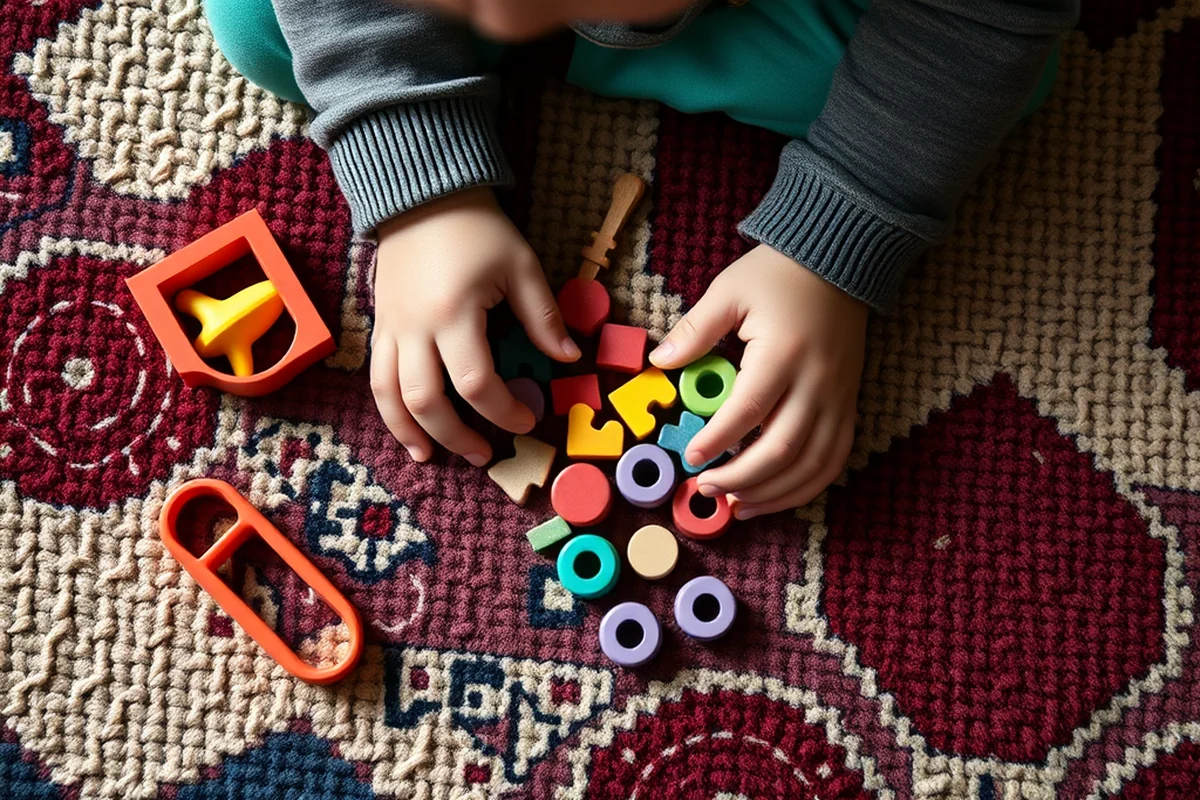
One of the most beautiful things about family history books is the way they bring people together. When we started reading our book, it wasn't just my son and me — my parents and grandparents got involved too. They shared their own stories, and my son was fascinated to hear how things were different back then.
I remember one evening when my dad read a story about how he and my mom met. My son asked, 'Did they fall in love right away?' And my dad said, 'No, they had to wait a while. It was worth it.' It was a conversation that made my son understand that love isn't always immediate — it takes time and patience.
These shared moments can be incredibly powerful. They create a sense of unity and help children see their family not just as a collection of individuals, but as a group with a shared history and a shared future.
Related: Kindle book deals
How to Use Family History Books to Teach Your Child About Diversity and Inclusion
When I started looking through our family history book, I was surprised to see how many different cultures were represented in our family's background. My husband's side of the family is from the Philippines, and my own family has roots in Italy. It was an eye-opening experience for my son, and it made me realize how much we can learn from our own histories.
One of the stories that stood out to him was about my great-grandmother, who had to leave her home in Italy during World War II and start a new life in America. He asked, 'Was it hard for her?' And I said, 'Yes. She was brave and she made it work.' It was a way to show him that even when things are difficult, people can find a way to adapt and thrive.
These stories can be a powerful way to teach your child about diversity, resilience, and the importance of embracing different backgrounds. It's not just about where you're from — it's about who you are and how you carry your heritage with you.
Related: What is bookkeeping services
How to Keep Your Family History Book Alive and Relevant
I learned the hard way that if you don't revisit your family history book, it can become just another book on the shelf. So now, we make it a point to look through it every few months. Sometimes, we add new stories, and other times, we just read through the old ones again and reflect on how much has changed since we first created the book.
My son has started adding his own stories now — like how he learned to ride his bike or the time he won a race at the park. It's amazing to see how the book has evolved and how it's now not just about the past, but also about the present and the future.
By keeping the book up to date and involving your child in the process, you ensure that it remains a living document that continues to grow with your family.
A family history book is never finished — it's a story that keeps growing with your family.
Related: What is a book fair
Why It's Never Too Late to Start a Family History Book
I used to think that I needed a lot of time and resources to start a family history book, but I was wrong. Even with a busy schedule and limited materials, I found ways to create a book that my son could enjoy and learn from. It didn't have to be perfect — it just had to be real.
I remember one day when I was really busy and barely had time to sit down with my son. I took just 15 minutes and made a simple book with a few photos and a few short stories. To my surprise, my son was just as excited about it as the ones we had made before. It was a reminder that it doesn't have to be complicated — it just has to be heartfelt.
The key is to start small and build from there. Even if you can only dedicate a few minutes a day, you're still making a difference in your child's life and helping them understand their family's story.
📖 Gentle Approach
Take your time and create a family history book at your own pace, focusing on small moments and meaningful connections.
⏳ Fast-Track Approach
Use digital tools and pre-made templates to create a family history book quickly and efficiently.
✈️ Travel/away-from-home Approach
Create a portable family history book that you can take on the go and revisit during trips or vacations.
👨👩👧👦 Multiples Approach
Tailor the family history book for each child, highlighting their unique connection to family stories and traditions.
🔄 Regression Reset Approach
Use the family history book to explore your family's past and help your child understand their own identity and place in the world.
| The mistake | Why it happens | The fix |
|---|---|---|
| Not involving the child in the process | If the child isn't involved in the process, the book may not feel personal to them, and they may not see it as a meaningful part of their life. | Involve your child in choosing the photos, writing the stories, and even drawing their own family tree. This helps them feel connected to the book and makes it a shared experience. |
| Using too many complicated words or stories | Using complicated words or stories can make the book feel inaccessible to your child, and it may discourage them from engaging with it. | Use simple language and focus on stories that your child can relate to. Keep the tone warm, friendly, and engaging. |
| Forgetting to update the book over time | If you don't update the book, it can become outdated and lose its relevance. It's important to revisit it regularly and add new stories and memories. | Set a reminder to revisit the book every few months and add new stories, photos, or even your child's own contributions. |
| Making it too perfect | Making the book too perfect can make it feel like it's not genuine, and it may not reflect the real stories and experiences of your family. | Embrace imperfection. Your book doesn't have to be flawless — it just has to be real, heartfelt, and meaningful to your family. |
Is Family History Books
Common Questions
How can I start a family history book if I don't have many photos or stories?
What if I'm not sure about the details of my family history?
How can I make my family history book more interactive for my child?
Can I use a family history book to teach my child about different cultures?
References
Cite this guide
Choosing a Toddler Bookshelf (2026). Is Family History Books. https://bookwiden.com/is-family-history-books/
Feel free to cite or share this guide.
Toddler Bookshelf Sizer
Sizes a toddler bookshelf by book count, display style and child reach.
Open it free →