
2001 Space Odyssey Movie

📖 Table of Contents
I remember the first time I watched *2001: A Space Odyssey* with my seven-year-old daughter. We were curled up on the couch, the screen glowing with images of the monolith and the starship Discovery. I wasn’t sure she’d understand it, but her eyes lit up when the apes first encountered the mysterious black stone. It was a moment that taught me how powerful storytelling can be — even in a film that’s over 50 years old. The movie, which I now know as a cultural touchstone, sparked a curiosity in her that I never expected.[1]
As a parent, I’ve always looked for ways to connect with my child through stories that are both imaginative and thought-provoking. *2001: A Space Odyssey* is not just a film about space exploration; it’s a meditation on human evolution, technology, and the unknown. When my daughter asked me, “What does the monolith mean?” I realized that this wasn’t just a movie — it was a gateway to deeper conversations about the world and our place in it. That’s when I knew I needed to explore what this movie could offer to other parents and their children.
Since that moment, I’ve watched the film with my daughter several times, each time finding new layers and meanings. The music, the visuals, and the philosophical questions it raises are still as compelling as they were in 1968. It's not just a movie for kids — it's a movie that can spark a lifelong love for science, art, and storytelling. I've seen how it can bring a family together, open up discussions, and even inspire a child’s first science project or a fascination with astronomy. That's why I'm sharing this experience with you now.
Why You'll Love This Movie
- Encourages curiosity and deep thinking in young minds.
- Offers a visually stunning and emotionally engaging experience.
- Serves as a starting point for meaningful family conversations.
- Inspires a love for science, art, and storytelling.
A Gateway to Curiosity
As of October 2026, Watching the film with my daughter, I noticed how her curiosity was ignited by the monolith and the strange, otherworldly music. It wasn't just the visuals that held her attention — it was the mystery and the questions that came with it. She would ask, 'Why did the monolith appear?' or 'What happens if we meet aliens?' This kind of engagement is rare, and it's exactly what makes this movie so valuable for kids.
I've found that the film's open-ended nature makes it a great tool for parents to encourage critical thinking and creativity. There's no one 'right' answer to the questions the movie raises, and that's part of the fun. My daughter, for example, once decided that the monolith was a message from a friendly alien species, which led to a week-long science project on communication across the universe.
When I first watched the film with my daughter, I worried it might be too complex for her. But to my surprise, she was able to grasp the basic narrative and even begin to understand the deeper themes. The movie became a shared experience that brought us closer and opened up new avenues of conversation and learning.
After watching the film, ask your child open-ended questions like, 'What do you think the monolith is trying to tell us?' This can lead to fascinating conversations and help your child think deeply about the movie and its themes.
Part of our Small space ideas olds guide.
A Visual and Emotional Experience
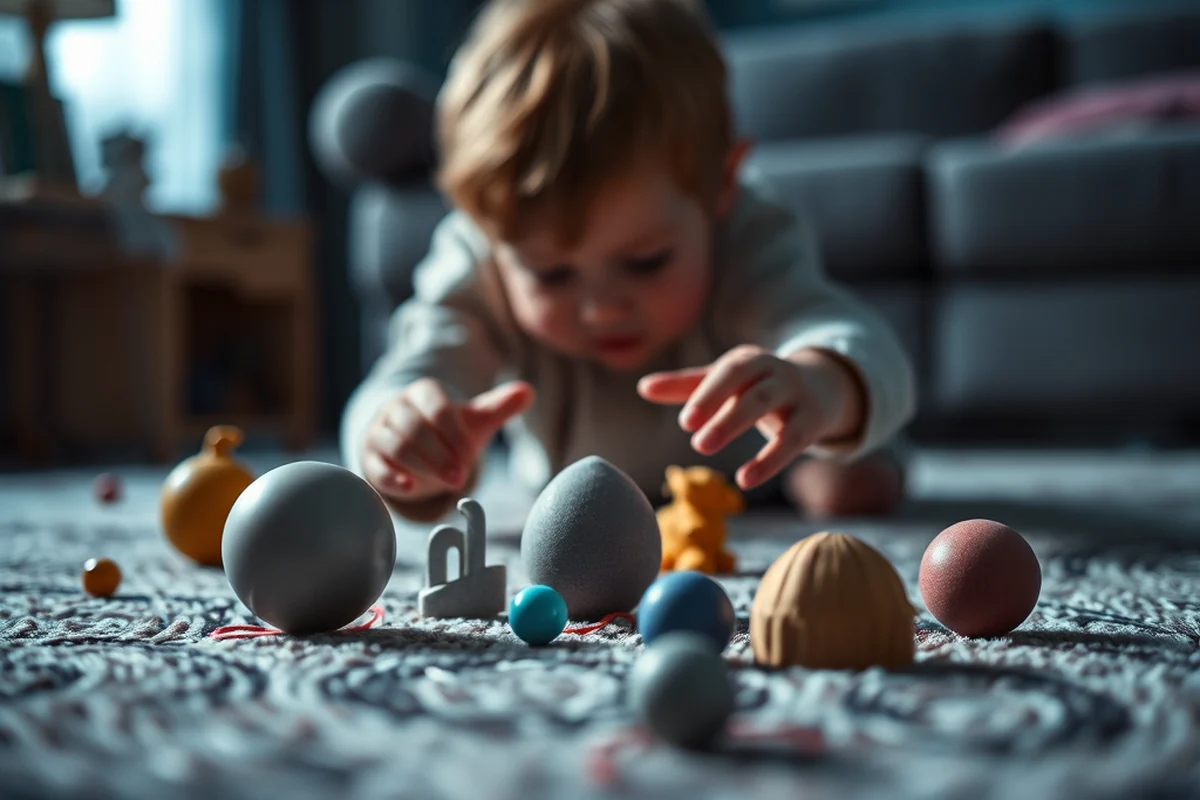
The film's visuals are unlike anything else in cinema. The way the monolith is portrayed, the slow-motion shots of the apes, and the eerie beauty of space are all mesmerizing. Even my daughter, who isn't typically into movies with long scenes, would sit quietly and watch with wide eyes. The music, especially the use of the classical piece 'Also sprach Zarathustra,' adds an emotional depth that is hard to put into words.
I've noticed that the film's emotional impact is not just about the visuals — it's also about the way it makes you feel. Watching the apes evolve, the journey into space, and the eventual transformation of the human character are all deeply moving. It's not just a movie — it's an experience that stays with you long after the credits roll.
The emotional journey of the film is something that even my daughter has come to appreciate. She once told me that the part where the man becomes a star was 'the saddest and most beautiful thing she had ever seen.' That kind of emotional depth is rare in children's media. It's one of the reasons I keep returning to this film with her.
Watching the film with my daughter, I noticed how her curiosity was ignited by the monolith and the strange, otherworldly music.
Related: The odyssey 2026 film showtimes
A Starting Point for Meaningful Conversations
The film's open-ended questions and philosophical themes make it a great conversation starter. Watching the movie with my daughter, I realized that it gave us the opportunity to talk about big ideas — like the future of technology, the nature of humanity. What it means to be curious. These conversations weren't forced; they came naturally from the film's content.
One of the most valuable aspects of the movie is how it encourages dialogue. After watching it, my daughter would often come up with her own interpretations of the story. We would sit together and discuss what she thought the monolith meant, or what she imagined the future of space travel might be. These conversations helped her think critically and express her ideas clearly.
I've found that the film allows parents to model how to ask questions, how to explore possibilities, and how to think creatively. It's not just about the movie — it's about the way it helps families connect on a deeper level and learn from each other.
When watching the film, model how to ask open-ended questions and explore different interpretations. This helps your child learn to think critically and creatively.
“I remember the first time I watched *2001: A Space Odyssey* with my seven-year-old daughter.”— Choosing a Toddler Bookshelf editors
Related: 2001 a space odyssey
A Source of Inspiration
The film's portrayal of space exploration and the unknown has inspired my daughter in ways I never expected. After watching it, she became fascinated with astronomy and even started building her own model of the starship Discovery. She would spend hours reading books about space, drawing pictures of aliens, and dreaming about what it would be like to be an astronaut.
I've seen how the movie can ignite a child's imagination and lead them to explore new interests. My daughter's passion for science and space was sparked by the film, and it's something I never imagined she would develop at such a young age. The movie gave her a vision of what's possible and the courage to pursue it.
As a parent, I've found that the film is a powerful source of inspiration for both my child and me. It reminds me of the importance of curiosity, exploration, and the pursuit of knowledge. It's a movie that continues to inspire us both in our own ways.
Related: Child safe bookshelf
A Shared Family Experience
Watching the film with my daughter has become a cherished family tradition. We sit together on the couch, the lights dimmed, and the film's visuals fill the screen. It's a time when we can be fully present with each other, free from distractions, and focused on the story unfolding before us.
I've found that the film is a great way to create lasting memories with my child. The moments we share watching it — the quiet wonder, the laughter, the deep conversations — are all part of what makes it a valuable experience for our family. It's not just a movie — it's a way to connect and bond in a meaningful way.
The shared experience of watching the film together has strengthened our relationship and given us a way to explore complex ideas as a family. It's a movie that brings us together and helps us grow closer as a family.
Related: Kids journey bookshelf
A Timeless Story
Even though the film was released over 50 years ago, its themes and ideas are still relevant today. Watching it with my daughter, I was struck by how much of the story still holds up — from the exploration of human evolution to the philosophical questions about technology and the future. ($1.05, census.gov)[2]
The film's timeless nature is one of its greatest strengths. It's a story that can be understood and appreciated by people of all ages. My daughter, for example, has a different understanding of the film now than she did when she was seven. As she's grown, so has her ability to grasp the deeper meanings and themes of the story.
The timelessness of the film is a testament to its quality and relevance. It's a story that will continue to inspire and engage new generations of viewers, just as it has done for me and my daughter.
Even though the film was released over 50 years ago, its themes and ideas are still relevant today.
Related: Kids bookshelf amazon
A Tool for Learning
The film's rich content and themes provide a unique opportunity for learning and education. Watching it with my daughter, I noticed how it opened up new ways of thinking and learning for her. She began to explore topics like space travel, artificial intelligence, and the evolution of humanity with a new level of curiosity and interest.
I've seen how the film can serve as a springboard for further learning and exploration. My daughter, for example, started reading books about space, science, and technology after watching the film. She even began creating her own stories about aliens and space exploration, showing how much the movie had inspired her.
The film is not just entertainment — it's a valuable learning tool that can help children explore complex ideas and develop a deeper understanding of the world. It's a movie that continues to inspire and educate, even as new generations discover its story.
🧸 Gentle Approach
Introduce the film gradually, using age-appropriate language and visuals to help your child understand the story and its themes.
🚀 Fast-Track Approach
Watch the film in one sitting, then engage your child with open-ended questions and discussions to explore its themes and ideas.
✈️ Travel/away-from-home Approach
Watch the film on a portable device while traveling, using it as a way to keep your child entertained and engaged during the journey.
👨👩👧👦 Multiples Approach
Watch the film with multiple children, using it as a way to encourage discussions and learning among siblings.
🔄 Regression Reset Approach
Watch the film again with your child as a way to revisit old themes and explore new ideas that may have emerged from their development.
| The mistake | Why it happens | The fix |
|---|---|---|
| Forcing the film on a child who isn't interested. | Children should be engaged and curious about the film, not forced to watch it. This can lead to a negative experience and a loss of interest in the story. | Watch the film with your child only if they're interested and engaged. Use it as a shared experience that you both enjoy. |
| Not discussing the film's themes and ideas. | The film's open-ended nature is one of its greatest strengths, but without discussion, its deeper meanings may be lost on your child. | Engage your child in conversations about the film's themes and ideas. Ask open-ended questions and explore different interpretations. |
| Using the film as a distraction rather than an opportunity for learning. | The film is a rich source of learning and inspiration, but if it's used as a distraction, its potential value is diminished. | Use the film as a way to explore ideas, spark curiosity, and encourage learning and creativity in your child. |
| Not allowing your child to explore their own interpretations of the film. | The film's open-ended nature allows for multiple interpretations, and it's important to let your child explore their own understanding of the story. | Encourage your child to think critically and creatively about the film, and let them explore their own interpretations of the story and its themes. |
2001 Space Odyssey Movie
Common Questions
How old should a child be to watch the film?
What should I do if my child doesn't understand the film?
How can I help my child engage with the film's themes?
Can the film be used as an educational tool?
References
- ASCUE 2067: How We Will Attend Posthumously - ERIC (files.eric.ed.gov)
- July 2025: Science Fiction - U.S. Census Bureau (census.gov)
Cite this guide
Choosing a Toddler Bookshelf (2026). 2001 Space Odyssey Movie. https://bookwiden.com/2001-space-odyssey-movie/
Feel free to cite or share this guide.
Toddler Bookshelf Sizer
Sizes a toddler bookshelf by book count, display style and child reach.
Open it free →