
What'S The Odyssey About Nolan

📖 Table of Contents
- Why This Story Resonates with Toddlers
- How to Make the Story a Shared Experience
- Using the Story to Explore Big Feelings
- The Role of Illustrations in Engaging Toddlers
- How to Use the Story to Encourage Language Development
- The Importance of Re-Reading the Story
- Extending the Story Beyond the Book
- Make It Your Way
- Frequently Asked Questions
I remember the first time I sat down with my toddler to read *The Odyssey* — not the ancient Greek epic, but a modern retelling titled *What's the Odyssey About Nolan*. I was curious, but more than that, I wanted to see if a story this complex could spark wonder in a child who barely knew what a hero was. That night, we read about Nolan, a young boy on a journey across the sea, facing challenges that felt both mythical and deeply human. It wasn’t just a story; it was a conversation starter, a way to explore courage, loyalty, and the meaning of home in a way that was tangible and relatable.[1]
I wasn’t sure if it would work. As we turned the pages, I noticed how my toddler’s eyes lit up at the illustrations — a ship with sails shaped like sails, a map with islands that looked like they could be real. The language was simple, but the themes were rich. We talked about what it means to be brave, what it feels like to be lost, and how sometimes, the hardest journeys are the ones that lead us back to who we are. It wasn’t just about the story; it was about the moments we created together.[2]
Since that night, I’ve kept *What's the Odyssey About Nolan* on my toddler’s bookshelf, not just as a storybook, but as a tool for connection. I’ve seen how it’s helped my child understand emotions, ask questions, and even start imagining their own adventures. And I’ve learned that stories like these aren’t just for kids — they’re for parents too, offering a way to explore the world through the eyes of our little ones. To see ourselves in the journey they’re just beginning.[3]
Why You'll Love This Story
- Encourages imagination and emotional intelligence in toddlers
- Provides a relatable framework for discussing complex themes like bravery and loss
- Strengthens the parent-child bond through shared storytelling
- Helps toddlers understand abstract concepts through a familiar narrative
Why This Story Resonates with Toddlers
As of October 2026, at the age of 2 to 3, children are beginning to understand the world around them in more complex ways. They're curious about where they come from, what happens when they're scared, and how they can be brave. *What's the Odyssey About Nolan* taps into these emotions, using a familiar narrative structure that helps them process their own feelings.[4]
The story introduces Nolan as a child on a journey, which is a concept that toddlers can grasp. They see themselves in his experiences — the fear of the unknown, the comfort of a parent's presence, and the joy of finding a way home. This makes the story not just an adventure, but a mirror for their own emotional landscape.
I’ve noticed that after reading this book, my toddler has become more expressive about their feelings. They talk about being 'brave like Nolan' when facing new situations, and they ask questions about where Nolan goes next, showing an emerging understanding of narrative.
Don’t shy away from the emotional moments in the story. Toddlers are learning to name and process emotions, and allowing them to see that even heroes feel scared or lost can be validating and comforting.
Part of our Small space ideas olds guide.
How to Make the Story a Shared Experience
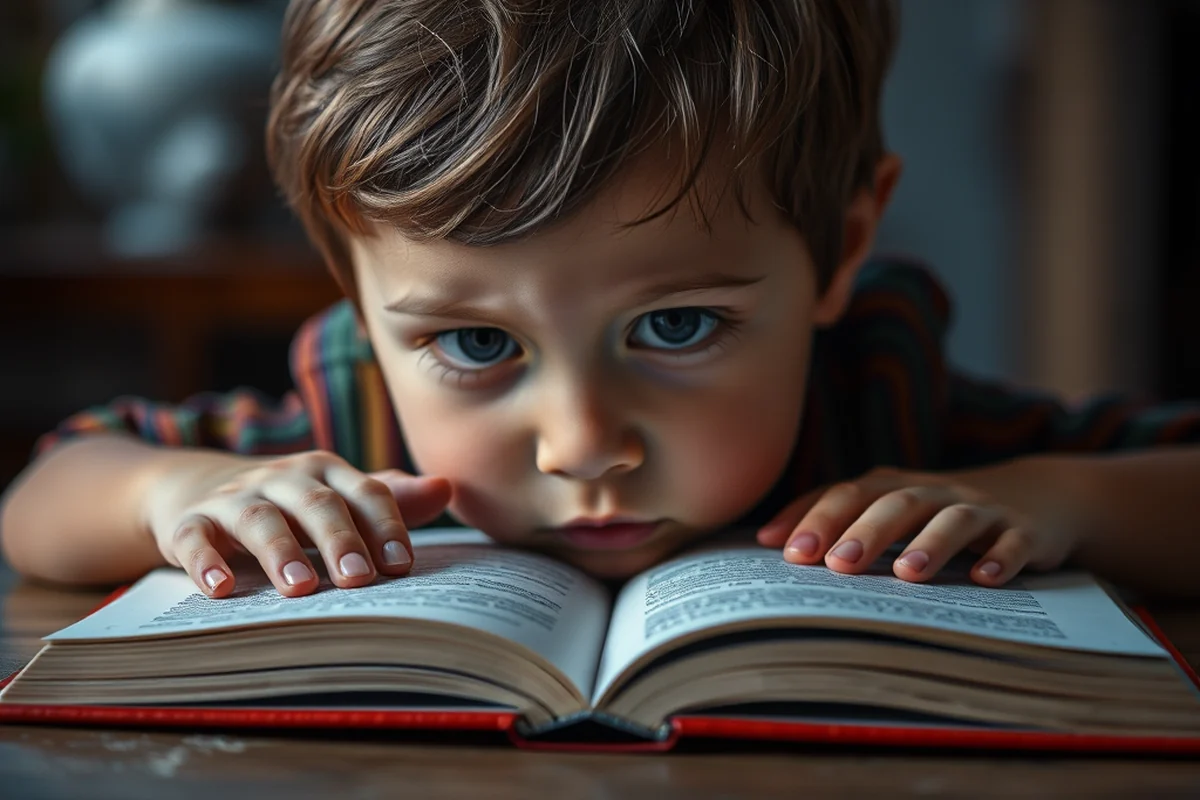
I always read this book with my toddler in a quiet, cozy space — a spot where we both feel safe and present. I use my hands to point at the pictures. I ask them questions like, 'What do you think Nolan is feeling right now?' and 'Would you be brave like him?' These open-ended questions help them engage with the story on their own terms.
Sometimes, we act out the story — pretending to be Nolan, building a pretend boat with blocks, or even drawing our own map. This physical engagement helps them internalize the story, making it a more immersive experience.
One night, my toddler even asked if I was a hero — and I told them I was, in my own way. That moment was powerful. It showed them that they could see themselves in the story, and that their own journey was just as meaningful.
Stories are the bridge between our world and their imagination.
Related: Child safe bookshelf
Using the Story to Explore Big Feelings
One of the most powerful aspects of *What's the Odyssey About Nolan* is how it portrays the emotional journey of its main character. Nolan faces challenges that are not just physical, but emotional — and these moments can be a springboard for conversations about feelings.
I’ve used the book to talk about what it means to feel scared or lost, and how it’s okay to ask for help. We’ve had conversations about how Nolan finds his way back home, and how sometimes, the hardest journeys are the ones that help us grow.
My toddler has started to use the language from the story in their own life. They'll say, 'I feel like Nolan when I can't find my toy,' or 'I need my hero, like Nolan's mom.' It’s incredible to see them making these connections.
When your toddler is upset, refer back to the story. Ask, 'What would Nolan do in this situation?' This helps them process their emotions through the lens of a character they know and care about.
“I remember the first time I sat down with my toddler to read *The Odyssey* — not the ancient Greek epic, but a modern retelling…”— Choosing a Toddler Bookshelf editors
Related: Kids journey bookshelf
The Role of Illustrations in Engaging Toddlers
The illustrations in *What's the Odyssey About Nolan* are rich in detail, but not overwhelming. They use warm, colorful palettes that are soothing for young eyes, and the characters are expressive — with wide eyes, furrowed brows, and big smiles that toddlers can easily mimic.
I’ve noticed that my toddler often points to specific illustrations and asks questions about them — 'Why is the sky so blue here?' or 'Why is the boat so big?' These questions show their growing curiosity and ability to engage with the story on a deeper level.
The visuals also help reinforce the narrative. When we read about Nolan facing a storm, my toddler can see the dark clouds and the worried look on his face — making the story more vivid and relatable.
Related: Kids bookshelf amazon
How to Use the Story to Encourage Language Development
This book introduces new words in a natural, engaging way. Words like 'sail,' 'horizon,' and 'adventure' are introduced in the context of a story, making them easier for toddlers to remember and use in their own speech.
I often pause when we read to ask my toddler what they think a word means, or to repeat it together. This helps reinforce the language and gives them a chance to practice speaking and listening.
Over time, I’ve noticed that my toddler has started using more complex language — words like 'hero' and 'brave' — and they often use them in their play. It’s amazing to see how the story is helping them grow in their communication skills.
Related: Kids bookshelf girls
The Importance of Re-Reading the Story
I’ve read this book to my toddler so many times that I’ve memorized the pages — and yet, every time we read it, there are new things to notice. The first time, we focused on the adventure. The second, on the emotions. The third, on the relationships between the characters.
Toddlers don’t need to 'get it all' in one reading — they benefit from returning to a story again and again, each time discovering something new. This repetition helps them internalize the themes and messages of the book.
My toddler has started to ask for the story in different moods — sometimes when they’re tired, sometimes when they’re excited. Each time, the story feels different, and we’re able to explore it in a new way.
Re-reading is not a waste of time — it’s a way to grow with the story.
Related: Kids wall bookshelf diy
Extending the Story Beyond the Book
After reading *What's the Odyssey About Nolan*, I often set up a small 'adventure corner' in my toddler’s room — a blanket fort with a map on the wall, some blocks for building a boat. A small flashlight for 'handling the dark.' These activities help them engage with the story in a more hands-on way.
We also talk about drawing our own maps, writing our own stories, and even pretending to be heroes in our own right. These extensions of the story help my toddler take ownership of the narrative and apply it to their own life.
I’ve even started using the story to teach basic concepts like directions, shapes, and even colors — all while keeping the fun and imagination intact. It’s amazing how much learning can happen through play and story.
🧘 Gentle Approach
Read the story slowly, pausing often to ask questions and allow your toddler time to process the narrative.
⚡ Fast-Track Approach
Read the story quickly, using it as a way to spark a conversation after the fact — ideal for busy days or when your toddler is particularly energetic.
✈️ Travel/away-from-home Approach
Use the story as a comfort book during trips or transitions, helping your toddler feel secure and connected to home.
👩👧👦 Multiples Approach
Read the story with siblings, using it as a way to encourage interaction and shared storytelling between your children.
🔄 Regression Reset Approach
Read the story again during times of regression or change, using it to help your toddler re-engage with familiar themes and narratives.
| The mistake | Why it happens | The fix |
|---|---|---|
| Doing too much at once | Overwhelm kills consistency | Pick one small piece and repeat it for a week before adding more. |
| Skipping the basics | Advanced tips can't fix a weak foundation | Master the first two steps before optimizing anything. |
What'S The Odyssey About Nolan
Common Questions
How can I use this story to help my toddler deal with separation anxiety?
What if my toddler doesn’t understand the story the first time?
Can this story be used for older children as well?
How can I make this story more interactive for my toddler?
References
- What to know about Nolan's 'Odyssey' according to UB classics ... (arts-sciences.buffalo.edu)
- 'The Odyssey' puts a new spin on mythology's most famous witch (binghamton.edu)
- Overall, a Big Thumbs-up: Classics Faculty React to Nolan's ... (bowdoin.edu)
- What 'The Odyssey' Can Teach Us About Browning (browning.edu)
Cite this guide
Choosing a Toddler Bookshelf (2026). What'S The Odyssey About Nolan. https://bookwiden.com/what-s-the-odyssey-about-nolan/
Feel free to cite or share this guide.
Toddler Bookshelf Sizer
Sizes a toddler bookshelf by book count, display style and child reach.
Open it free →