
What Is Kindergarten Books

📖 Table of Contents
- What Exactly Are Kindergarten Books?
- Why Are Kindergarten Books Important?
- What Makes a Good Kindergarten Book?
- How to Use Kindergarten Books at Home
- The Role of Teachers in Selecting Kindergarten Books
- How Kindergarten Books Support Language Development
- The Benefits of Reading Aloud to Your Child
- Make It Your Way
- Frequently Asked Questions
I still remember the day my daughter’s kindergarten teacher handed me a stack of books and said, 'These are the ones we use every day.' That moment was both confusing and enlightening. I had no idea what 'kindergarten books' were, let alone how they shaped my child’s learning. It wasn’t until I sat down with her teacher and watched her read to a group of wide-eyed, giggling children that I realized how powerful these books could be. 'Kindergarten books' aren’t just stories; they’re tools that help kids build language, focus, and curiosity from the very first day of school.[4]
What struck me most was how these books were chosen not just for their content, but for their ability to captivate and engage young minds. They were colorful, repetitive, and filled with relatable characters. I noticed how the teacher would pause for questions, let the kids point at pictures, and even let them touch the pages. It wasn’t just about reading — it was about making learning fun and accessible for kids who are still figuring out how the world works.[5]
As I explored this world of 'kindergarten books,' I learned that they are more than just a part of the curriculum. They are the foundation of early literacy, a key factor in a child’s academic success, and a way to introduce complex ideas in simple, digestible ways. Whether it’s counting to 10 or learning about shapes, these books are carefully crafted for children who are between the ages of 5 and 6, a time when their brains are developing at an incredible pace. So, if you're wondering 'what is kindergarten books,' the answer is that they are the building blocks of childhood learning and one of the most important parts of a kindergarten classroom.[1]
Why You'll Love This Article
- Discover the real purpose and impact of kindergarten books in early childhood education.
- Get practical advice on how to use these books at home to support your child’s learning.
- Understand the key characteristics of effective kindergarten books and how to choose them.
- Learn from real-life stories and teacher insights on the importance of reading in kindergarten.
What Exactly Are Kindergarten Books?
As of October 2026, Kindergarten books are more than just stories for young children. These books are carefully selected to meet the developmental needs of children who are between the ages of 5 and 6, a time when their language, motor, and cognitive skills are rapidly evolving. They are often large, with bold text, simple language, and vivid illustrations to capture the attention of children who are just learning to read and understand the world around them.
What makes these books so effective is that they are designed with repetition, predictable language, and engaging themes that help children build confidence and fluency. Many of them are used in group settings, where teachers read aloud and encourage interaction, allowing children to participate, ask questions, and explore the stories together. This kind of shared reading experience is a cornerstone of kindergarten learning.
I’ve seen the impact of these books firsthand in my daughter’s classroom. The teacher would read a book like 'Brown Bear, Brown Bear, What Do You See?' and the children would shout out the answers, pointing at the pictures. It was a moment of pure joy and learning, and that’s what kindergarten books are all about — creating memorable, engaging, and educational experiences for young learners.
Look for books that have flaps, textures, or parts that children can touch and explore. These interactive elements keep kids engaged and help reinforce learning through play.
Part of our Toddler bookshelf guide.
Why Are Kindergarten Books Important?
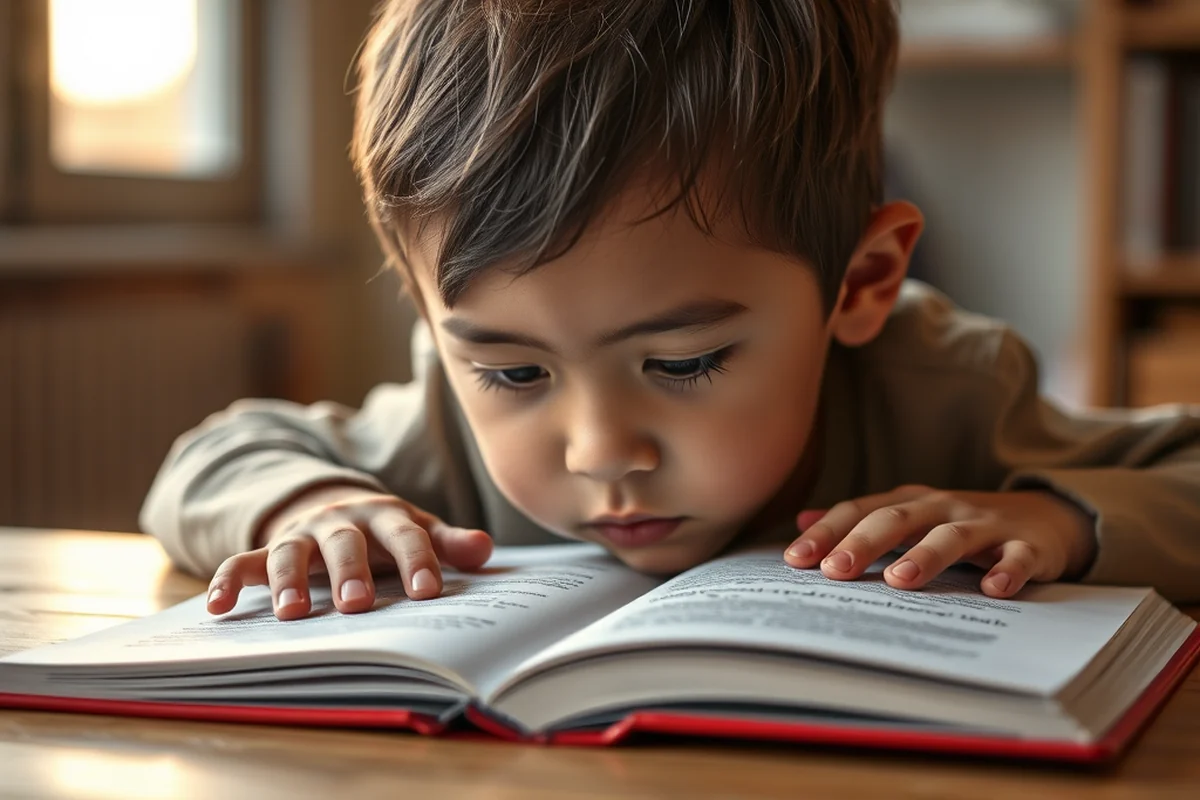
Early exposure to books has been shown to have a lasting impact on a child’s academic success. Studies have found that children who are read to regularly in their early years are more likely to develop strong language skills, better memory, and a greater love of reading. This is why kindergarten books are such a vital part of a child’s education — they help instill a lifelong habit of reading and learning.[2]
Beyond language development, kindergarten books also play a crucial role in emotional and social development. Stories introduce children to new ideas, emotions, and perspectives, helping them understand themselves and the world around them. Through these books, kids learn to empathize, think critically, and solve problems — all essential skills for future learning.
In my own experience, I’ve noticed how my daughter has grown more confident and curious after being read to regularly. She has started asking questions about the stories she hears, and she even tries to tell the stories back to me. It’s clear that these books are doing more than just teaching her to read — they’re shaping her thinking and personality.
Books are the windows and mirrors of the world.
Related: Book rental cars
What Makes a Good Kindergarten Book?
When choosing a kindergarten book, the most important factors are simplicity and engagement. The text should be short, with simple sentences and repetitive phrases that make it easy for children to follow. The illustrations should be bright, colorful, and expressive, helping to convey the story even if the child is still learning to read.
Interactivity is also a key component of a good kindergarten book. Books with flaps, textures, or movable parts can capture a child’s attention and make reading a more active experience. These types of books are especially effective for children who are just beginning to explore the world of reading and learning.
I’ve found that books with a clear structure and a consistent pattern are the most effective for my daughter. For example, books that use a 'This is...' or 'I see...' format help her understand the structure of language and reinforce vocabulary in a fun and repetitive way.
Books that use a consistent pattern or structure, such as 'This is a...,' help children predict what comes next and build confidence in their reading skills.
“I still remember the day my daughter’s kindergarten teacher handed me a stack of books and said, 'These are the ones we use every day.'…”— Choosing a Toddler Bookshelf editors
Related: High school backpacks
How to Use Kindergarten Books at Home

Reading to your child every day is one of the most important things you can do to support their development. Even just 15 minutes a day can have a significant impact on their language and cognitive skills. Start by choosing a book that is simple and engaging, and read it aloud with your child, pointing at the pictures and asking questions about the story.[3]
After reading, encourage your child to talk about what they saw and heard. Ask them what their favorite part was or what they think will happen next. This type of discussion helps reinforce comprehension and builds critical thinking skills. You can also create a routine by reading at the same time each day, which can help your child develop a love of reading from an early age.
I’ve made it a habit to read to my daughter before bedtime, and it’s become one of our favorite ways to bond and learn together. She loves pointing at the pictures and asking me to read her favorite parts again and again. It’s not just about learning — it’s about creating a special connection through stories.
Related: Bookkeeping software for a small business
The Role of Teachers in Selecting Kindergarten Books
Teachers are trained to select books that match the developmental stage of their students and support their learning goals. They choose books that are not only educational but also fun and engaging, ensuring that children are excited to read and learn. Teachers also consider the diversity of the classroom, selecting books that reflect a wide range of cultures, experiences, and perspectives.
In addition to selecting books, teachers use them as a tool for teaching and learning. They may read books aloud, use them to introduce new vocabulary, and encourage children to participate in discussions and activities based on the stories. This type of interactive reading helps children build comprehension, critical thinking, and social skills.
I’ve had the chance to sit in on a few of my daughter’s reading circles. It was fascinating to see how the teacher used a book like 'The Very Hungry Caterpillar' to teach counting, days of the week, and life cycles. It was a lesson in disguise — a fun, engaging way to teach important concepts.
Related: Choice kids edgware
How Kindergarten Books Support Language Development
Language development is one of the most important goals of kindergarten education, and books are a powerful way to support this. Through reading, children are exposed to new vocabulary, sentence structures, and ways of expressing themselves. They learn how to follow a story, understand cause and effect, and use language in meaningful ways.
Books also help children develop their listening skills, which are essential for learning and communication. When a child listens to a story, they learn to pay attention, follow along, and understand the meaning of what they are hearing. These skills are the foundation for future reading and writing success.
I’ve noticed how my daughter’s vocabulary has expanded since she started kindergarten. She now uses words like 'happy,' 'sad,' 'excited,' and 'confused' to describe her feelings. These are words she learned from the books she reads, and they’ve helped her express herself more clearly and confidently.
Language is the key to learning.
Related: Kids bookcase for small spaces
The Benefits of Reading Aloud to Your Child
Reading aloud to your child is one of the most effective ways to support their language, cognitive, and emotional development. It helps build their vocabulary, improves their listening skills, and introduces them to new ideas and concepts. It also gives you the opportunity to bond with your child, creating a warm and loving environment that supports learning and growth.
When you read aloud to your child, you model the way reading and learning should be — fun, engaging, and interactive. You can ask questions, make predictions, and encourage your child to think and explore. This type of shared reading experience helps your child develop a love of books and a lifelong habit of reading.
I’ve made it a point to read to my daughter every night, and it’s become one of our favorite ways to spend time together. It’s not just about learning — it’s about creating a special bond through stories and shared experiences.
📖 Gentle Approach
A calm, slow-paced method that focuses on building confidence and a love of reading through consistent, daily reading sessions.
🚀 Fast-Track Learning
A structured approach that uses a variety of books and activities to accelerate learning and development.
✈️ Travel/away-from-home
A flexible method that uses portable books and digital tools to support learning on the go, whether you're at the park or on a road trip.
👶 Multiples
A method tailored for parents with more than one child, using shared reading sessions to support all children's learning at once.
🔄 Regression Reset
A method for parents who want to rekindle their child's love of reading after a lull, using books and activities to reignite their curiosity.
| The mistake | Why it happens | The fix |
|---|---|---|
| Choosing books that are too advanced for a child's developmental stage. | Books that are too advanced can be confusing and discouraging for young learners, leading to frustration and a lack of interest in reading. | Choose books that are simple, engaging, and appropriate for the child's age and developmental level. |
| Not making reading a regular part of a child's daily routine. | Consistency is key when it comes to building a love of reading. If reading is not a regular part of a child’s routine, they may not develop the same level of engagement or interest in books. | Make reading a daily habit, even if it’s just for a few minutes each day. |
| Focusing too much on the content of the books and not enough on the interaction. | While the content of a book is important, the interaction between the reader and the child is even more crucial for learning and development. | Make sure to ask questions, point at pictures, and engage your child in the story to create a more interactive and meaningful reading experience. |
| Using the same books over and over again without introducing new ones. | While repetition can be helpful, it’s important to introduce new books regularly to keep a child interested and engaged in reading. | Rotate your child’s book selection to keep their interest and expose them to new stories and ideas. |
What Is Kindergarten Books
Common Questions
How often should I read to my child?
What should I look for when choosing a kindergarten book?
How do I get my child to engage with books?
Can I use the same books my child's teacher uses?
References
- 1000 Books Before Kindergarten | Buncombe County, NC (buncombenc.gov)
- 1,000 Books Before Kindergarten | Butte County, CA (buttecounty.ca.gov)
- 1000 Books Before Kindergarten | Cedar Park, TX (cedarparktexas.gov)
- Building Child Literacy, One Book at a Time (chop.edu)
- 1000 Books Before Kindergarten | Collierville, TN (colliervilletn.gov)
Cite this guide
Choosing a Toddler Bookshelf (2026). What Is Kindergarten Books. https://bookwiden.com/what-is-kindergarten-books/
Feel free to cite or share this guide.
Toddler Bookshelf Sizer
Sizes a toddler bookshelf by book count, display style and child reach.
Open it free →