
Reviews About The Odyssey

📖 Table of Contents
- Why *The Odyssey* is a Parenting Powerhouse
- How to Make Ancient Greece Feel Real
- The Benefits of Reading a Classic with Your Child
- How to Handle the Complexity of the Story
- What to Expect When Reading *The Odyssey* with Your Child
- How to Keep the Story Fresh and Engaging
- The Long-Term Benefits of Reading *The Odyssey* with Your Child
- Make It Your Way
- Frequently Asked Questions
I remember the first time I read *The Odyssey* to my six-year-old, who was already beginning to ask questions about ancient Greece and the sea. At first, I thought it was a stretch — a classic epic for a child? But the way Homer's story unfolded, with its twists, heroism, and vivid characters, captured my daughter's imagination in a way I hadn't expected. It wasn't just about Odysseus's journey home; it was about perseverance, curiosity, and the kind of storytelling that can hold a child's attention for hours.[2]
As a parent, I'm always on the lookout for books that are both educational and engaging. *The Odyssey* is one such treasure. It's not just a story; it's a window into a different time and culture, and it's also a fantastic tool for teaching vocabulary, problem-solving, and moral reasoning. I've read it with my daughter twice now, and each time, I've found new layers in the story that make it even more relevant to her life.[3]
The reviews about *The Odyssey* I've encountered over the years often highlight its timeless appeal — but what's really striking is how adaptable it can be for different ages and learning styles. It's not just a book for older kids or classics lovers; it's a book that can be read aloud, discussed, and even dramatized. And that's exactly what I've found in my own parenting journey: a story that doesn't just entertain, but also grows with your child.[4]
Why You'll Love This Classic for Your Toddler Bookshelf
- Encourages curiosity and asks big questions about the world
- Improves vocabulary and comprehension through rich language
- Teaches resilience and problem-solving through Odysseus's journey
- Offers a cultural and historical context that's both educational and engaging
Why *The Odyssey* is a Parenting Powerhouse
As of October 2026, I've found that reading *The Odyssey* with my child has helped us bond in a way that other books haven't. It's not just about the story — it's about the conversations we have during and after the reading. We've talked about what it means to be a hero, how Odysseus uses his wits to survive, and even how the characters in the story relate to our own lives.
One of the most surprising things about reading this book with my daughter was the depth of discussion it sparked. We've talked about themes like loyalty, courage, and even the consequences of choices — topics that are usually reserved for older kids. But the language, while rich, is accessible and can be broken down into digestible parts.
I've also noticed that the story's structure — with its twists, adventures, and returns — has helped my daughter grasp the idea of narrative arcs and how stories can have multiple layers. It's a book that grows with her, and that's something I truly appreciate as a parent.
Pair *The Odyssey* with maps of ancient Greece, drawings of characters, or even crafts like making a Greek helmet or a wooden sword to make the story more immersive and memorable.
How to Make Ancient Greece Feel Real
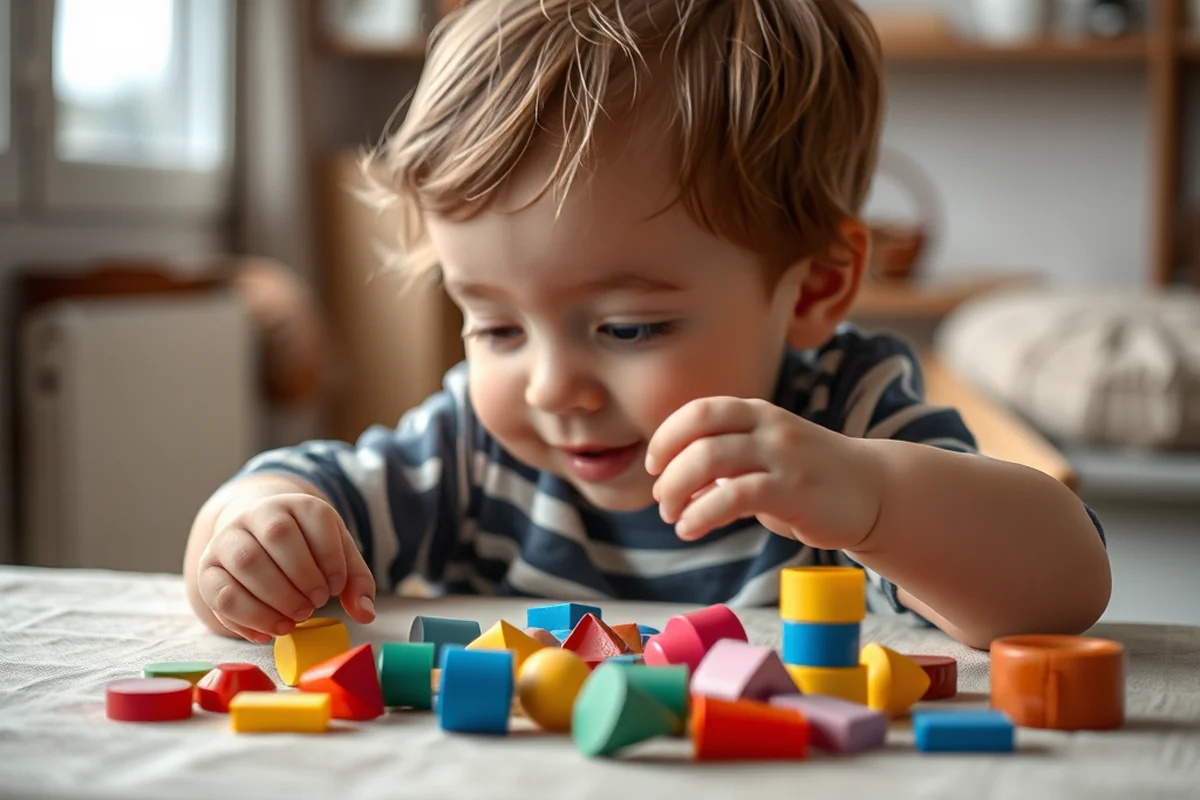
I've used a variety of methods to help my daughter connect with the world of *The Odyssey*. One of the easiest ways is to create a small corner in our home that looks like a 'Greek adventure' — with paper maps, clay pots. Even a few Greek coins I found at a local museum. It's a simple setup, but it makes the story feel more real.
We've also started talking about the customs and beliefs of the ancient Greeks, and my daughter has been fascinated by the myths and gods that appear in the story. It's amazing how much she's learned just by discussing the characters and their motivations.
Another technique I've used is to read the story in parts, stopping to ask questions and make predictions. This has helped her stay engaged and think critically about what's happening in the story, even when it's a bit complex.
A little world-building goes a long way in making a classic feel relevant.
Related: Toddler bookshelf wall
The Benefits of Reading a Classic with Your Child
I’ve noticed that reading a classic like *The Odyssey* with my daughter has helped her develop a love for reading that I hadn’t expected. She's more curious about stories now, and she asks questions that go beyond the page — like why people in ancient times believed in certain gods, or how Odysseus managed to survive so many dangers.
The language in the story is rich, and I've found that it's helped her expand her vocabulary. We've been using a thesaurus to look up words like 'perseverance' and 'resourcefulness,' and she's been excited to use them in her own conversations.
Another benefit I've noticed is that she's more confident in her ability to understand and analyze stories. This has translated into other areas of learning, like math and science, where she's more willing to tackle complex problems.
Encourage your child to act out scenes from *The Odyssey*, whether it's pretending to be Odysseus on a ship or playing the role of a Cyclops. This kind of interactive storytelling helps them absorb the material in a fun and engaging way.
“I remember the first time I read *The Odyssey* to my six-year-old, who was already beginning to ask questions about ancient Greece and the sea.”— Choosing a Toddler Bookshelf editors
Related: Toddler bookshelf grey
How to Handle the Complexity of the Story

I've found that the key to making *The Odyssey* accessible for a young child is to break the story into smaller parts and use a lot of visual and interactive elements. We've created a story map that shows each of Odysseus's adventures, and I've drawn simple illustrations to help my daughter follow along.
I also use a lot of repetition and re-reading, which has helped my daughter remember the plot and understand the characters better. We've gone through the story three times so far, and each time, she's picked up new details and asked deeper questions.
Another thing I've done is to use a lot of discussion before, during, and after reading. We talk about what we expect to happen next, and then we reflect on what actually happened. This has helped her develop critical thinking skills and a deeper understanding of the story.
Related: Toddler bookshelf nearby
What to Expect When Reading *The Odyssey* with Your Child
I've found that one of the most important things is to be prepared for the story's complexity. While it's a great book for learning and imagination, it's also a challenging one in terms of vocabulary and plot structure. I've had to take breaks and explain things in simple terms to make sure my daughter understands what's happening.
Another thing to be aware of is that the story includes some elements that might be difficult for a young child to grasp — like the cruelty of some characters or the themes of loss and betrayal. I've made sure to talk about these elements in a way that's age-appropriate and that doesn't scare my daughter.
Finally, I've found that the story is best read over several days, with breaks between sessions. This allows the child to process the information and remember the story better. We've been reading about 30 minutes a day, and that's working well for us.[1]
Related: Toddler bookshelf bed frame
How to Keep the Story Fresh and Engaging
One of the best ways I've found to keep the story fresh is to vary how we read it. Sometimes, we read it aloud together, and other times, I let my daughter read the parts that she's familiar with. This keeps the experience dynamic and helps her feel like she's contributing to the story.
I've also started using different voices for each character — especially for the gods and monsters — which has made the story more entertaining for my daughter. She loves hearing how I sound when I'm talking about Poseidon or the Cyclops.
Another technique I've used is to create a 'Odyssey journal' where we write down our favorite parts of the story and draw pictures of our favorite scenes. This has helped my daughter reflect on the story and remember it better.
Variety is the spice of storytelling — and learning.
Related: Toddler bookshelf west elm
The Long-Term Benefits of Reading *The Odyssey* with Your Child
One of the most significant long-term benefits I've noticed is that my daughter has developed a love for reading that has stayed with her. She's more curious about books, and she's even started asking for stories that are similar to *The Odyssey*, like other Greek myths or adventure tales.
Perhaps the most rewarding part has been watching her grow as a thinker and a reader. She's more engaged in conversations, more willing to ask questions, and more curious about the world around her. It's amazing how much a classic story can do for a child's development.
📖 Gentle Approach
Read the story slowly, with a focus on discussion and reflection, ideal for parents who want to take time with the material.
⏳ Fast-Track
Read the story in shorter sessions, using visual aids and repetition to ensure your child understands the key points.
🧳 Travel/away-from-home
Use digital versions or audiobooks to read *The Odyssey* on the go, making it easy to enjoy the story even when away from home.
👥 Multiples
Read the story aloud to multiple children, using different voices and interactive elements to keep everyone engaged.
🔄 Regression Reset
Reread the story with your child to reinforce learning, encourage reflection, and revisit favorite parts of the story.
| The mistake | Why it happens | The fix |
|---|---|---|
| Not preparing for the story's complexity. | Children may become confused or disengaged if the story is presented without proper context or explanation. | Break the story into smaller parts, use visual aids, and be prepared to explain difficult concepts in simple terms. |
| Reading too quickly or without breaks. | This can overwhelm the child and make it hard for them to follow the story. | Read in short sessions, with breaks in between, and ensure the child has time to process the information. |
| Ignoring the child's questions and curiosity. | This can lead to disengagement and a lack of interest in the story. | Encourage questions, and take the time to answer them in a way that's meaningful and relevant to your child. |
| Failing to incorporate interactive elements. | This can make the story feel passive and less engaging for the child. | Use role-playing, crafts, and discussion to make the story more interactive and immersive. |
Reviews About The Odyssey
Common Questions
Is *The Odyssey* too complex for my toddler to understand?
How often should I read *The Odyssey* with my child?
What are the best ways to make *The Odyssey* more engaging for my child?
How can I help my child understand the complex vocabulary in *The Odyssey*?
References
- Maureen Dowd reviews Christopher Nolan's “The Odyssey.” (apicciano.commons.gc.cuny.edu)
- Circe - National Endowment for the Arts (arts.gov)
- Professor Daniel Mendelsohn Reflects On The Odyssey in Several ... (bard.edu)
- ODYSSEY LOGISTICS & TECHNOLOGY CORP. v. STEWART (cafc.uscourts.gov)
Cite this guide
Choosing a Toddler Bookshelf (2026). Reviews About The Odyssey. https://bookwiden.com/reviews-about-the-odyssey/
Feel free to cite or share this guide.
Toddler Bookshelf Sizer
Sizes a toddler bookshelf by book count, display style and child reach.
Open it free →