
Odyssey About Sirens

📖 Table of Contents
- The Power of Storytelling in the Toddler Years
- Ancient Stories for Modern Toddlers
- Making the Most of Reading Time
- The Role of Imaginative Play
- Building a Toddler-Friendly Bookshelf
- The Impact of Storytelling on Emotional Development
- Storytelling as a Bonding Tool
- Make It Your Way
- Frequently Asked Questions
I still remember the first time I read *The Odyssey* to my toddler, my voice trembling with the weight of the sea and the call of the sirens. It was a rainy Saturday afternoon, and we were both lost in the story of Odysseus and his perilous journey home. The way my child leaned in, eyes wide, as I described the haunting melody of the sirens — that moment stuck with me. It wasn't just a bedtime story; it was a shared adventure that sparked curiosity, imagination, and a love for the epic tales of the ancient world.[2]
I didn't know it then, but that reading session would become the beginning of a deeper exploration of storytelling through the lens of *The Odyssey*. I found myself drawn to the idea of using ancient myths to teach my child about courage, resilience. The power of the human spirit — all while keeping their attention with the kind of storytelling that felt like a shared secret. It was messy, sometimes overwhelming, but it was also magical in a way that no modern fairy tale ever could be.[3]
Over the past few years, I've built a library of stories that mirror *The Odyssey* — not just Greek myths, but tales from around the world that speak to the same universal themes. This journey taught me that reading to a toddler isn't just about words and pictures; it's about building a bridge to the past, to other cultures. To the infinite possibilities of the human imagination. And that, I realized, is what makes an *odyssey about sirens* so deeply meaningful.[4]
Why You'll Love This Journey Through Myths and Stories
- Encourages deep listening and critical thinking through complex narratives
- Fosters cultural awareness and appreciation from an early age
- Strengthens the parent-child bond through shared imagination and reflection
- Provides a rich foundation for future learning in literature and history
The Power of Storytelling in the Toddler Years
As of November 2026, I first noticed how storytelling influenced my child's language development when she began using words like 'siren' and 'odyssey' in her play. These weren't just words — they were portals into a world of adventure and danger. Each story we read became a building block for her vocabulary and comprehension skills, and I was amazed at how quickly she caught on to the rhythm and cadence of my voice.
One of the most surprising benefits of reading ancient myths was the way they sparked empathy in my child. When we talked about Odysseus and his struggles, she started asking questions like, 'What would I do if I were lost at sea?' or 'How would I feel if my friends were taken by sirens?' These conversations became a way for her to explore emotions and moral dilemmas in a safe, imaginative space.
I also found that storytelling helped my child with memory. She would often reenact the tales days later, retelling them in her own words. It was incredible to see how she internalized the stories and used them as a framework for her own storytelling. This kind of engagement is crucial for developing memory and narrative skills in toddlers.
Grab a small toy boat or a picture of a siren and let your child act out the story. This makes storytelling more interactive and memorable.
Ancient Stories for Modern Toddlers
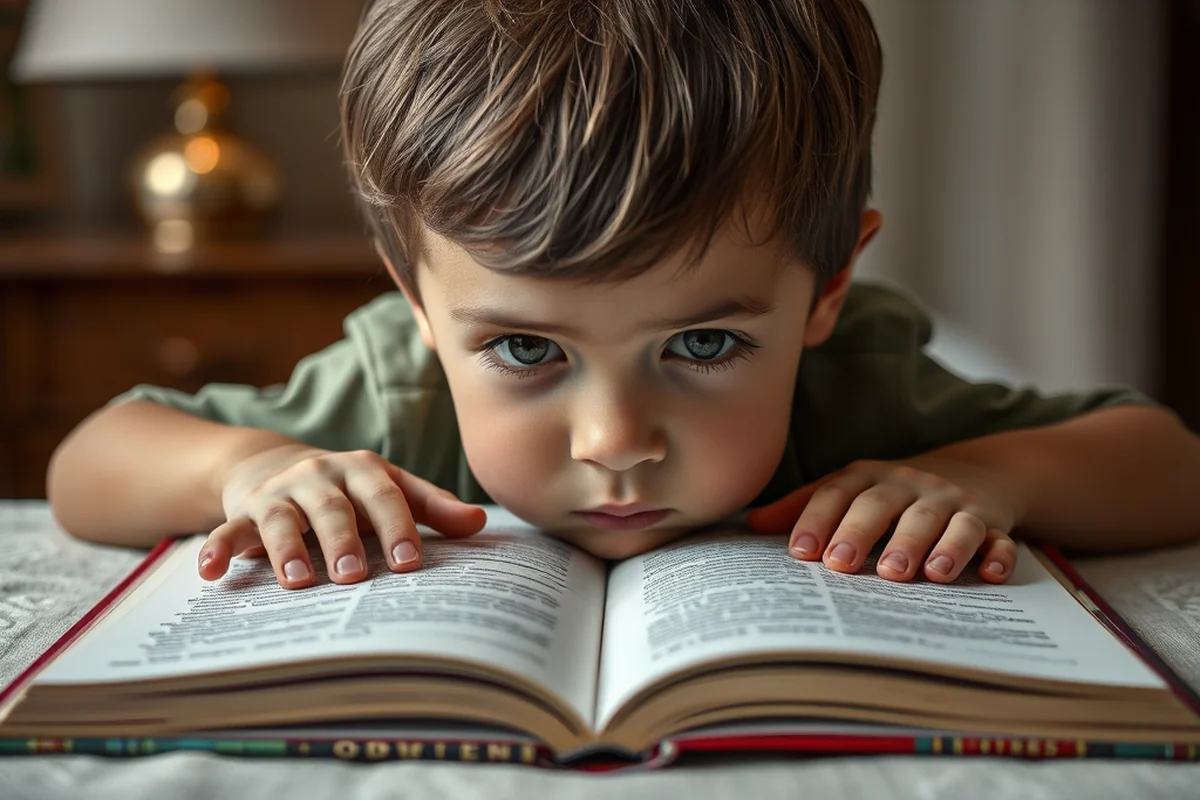
I was initially hesitant about reading *The Odyssey* to my toddler, worried it might be too complex. But I quickly realized that the core themes — perseverance, loyalty, and the struggle between good and evil — are universal. I simplified the language and focused on the visual elements, like the sea, the sirens, and the hero's journey, which captivated her attention.
One of the most effective ways I used *The Odyssey* was by breaking it into small, digestible parts. We read about Odysseus' journey home one day, and the next day we focused on how the sirens lured sailors with their song. This approach made the story more manageable and allowed my child to absorb the details at her own pace.
I also found that these stories were a great way to introduce moral choices. We would discuss what Odysseus did right and what he could have done better, and my child would chime in with her own thoughts. It was a simple but powerful way to teach her about making good decisions.
Stories from the past are the keys to the future.
Related: What is classic literature books
Making the Most of Reading Time
I noticed that my child responded best to reading time when it was consistent. I started reading to her every night, right before bed, and it became something she looked forward to. I would read for 10-15 minutes each night, and the time passed quickly because we were both so engaged in the story.[1]
To keep the routine interesting, I varied the stories we read. Some nights we focused on *The Odyssey*, other nights on other myths from around the world. This kept things fresh and allowed my child to explore different cultures and stories.
I also made sure to be fully present during reading time. I would stop at key moments in the story and ask my child questions about what she thought might happen next. This not only deepened her engagement but also helped develop her critical thinking skills.
Write down what your child says about the stories they love. This can be a great way to track their language development and interests.
“I still remember the first time I read *The Odyssey* to my toddler, my voice trembling with the weight of the sea and the call…”— Choosing a Toddler Bookshelf editors
Related: How to make and book
The Role of Imaginative Play

After reading *The Odyssey*, I noticed my child would often play with her toys and recreate the story in her own way. She would use her blocks to build a ship and her stuffed animals as crew members. These moments of imaginative play were incredibly valuable because they allowed her to process the story in a way that was meaningful to her.
One of the most unexpected joys was watching her create her own version of the sirens. She would make up songs and 'lure' her toys with her voice, pretending to be a siren herself. These moments of creativity were not only entertaining but also helped her develop her narrative and language skills.
I found that encouraging her to act out the stories helped reinforce the lessons from the books. She learned about courage, loyalty, and the consequences of one's choices in a way that was both fun and educational.
Related: The odyssey by homer
Building a Toddler-Friendly Bookshelf
I started by curating a bookshelf that had a mix of stories — some from *The Odyssey*, some from other ancient myths, and others from modern children's literature. The key was to ensure that the stories were visually engaging and easy for my child to understand.
I made sure to include a variety of formats — picture books, board books, and even some books with textures that my child could touch. This helped keep the reading experience interactive and sensory, which was especially important for a toddler.
I also placed the bookshelf in a spot where my child could access it easily. This not only encouraged independent reading but also gave her a sense of ownership over her own library.
Related: What is zoho books about
The Impact of Storytelling on Emotional Development
I was surprised by how quickly my child began to express her emotions after we started reading stories that dealt with challenges and emotions. She would often talk about how the characters in the stories felt, and I realized that she was beginning to understand and empathize with others.
One of the most powerful moments came when we read a story about a character who was afraid of the ocean. My child immediately related to the character and asked me how to deal with her own fears. We talked about courage and how even the bravest people sometimes feel afraid.
These conversations were not only emotionally valuable but also helped my child develop the language to express her feelings. She began using words like 'scared,' 'brave,' and 'courageous' in her daily life, which was a huge step in her emotional development.
Stories teach us how to feel and how to face the world.
Related: How is book of the month
Storytelling as a Bonding Tool
I found that reading to my child became a special moment in our day that we both looked forward to. It was a time when we could be completely present with each other, free from distractions and worries. We would talk about the stories, laugh at the funny parts, and even cry when the characters faced difficult challenges.
One of the most beautiful aspects of this bonding time was the way we could connect through the stories. We would share our own thoughts and feelings about the characters and their journeys, which deepened our relationship in a way that I hadn't anticipated.
I also noticed that my child would often seek me out for more stories, showing that she valued the time we spent together. These moments became some of the most cherished in our lives, and I realized that storytelling was not just about the stories themselves — it was about the connection we built through them.
🧘 Gentle Approach
Take things slowly, using short stories and focusing on emotional connection.
🏃 Fast-Track Approach
Read more stories in one session and focus on building vocabulary and comprehension quickly.
✈ Travel/away-from-home Approach
Use portable books and focus on stories that are easy to share in different environments.
👶 Multiples Approach
Use stories that are easy to adapt for multiple children and encourage shared storytelling.
🔄 Regression Reset Approach
Revisit favorite stories to help your toddler re-engage with reading and storytelling.
| The mistake | Why it happens | The fix |
|---|---|---|
| Reading too quickly or skipping parts of the story. | This can confuse your toddler and make it harder for them to follow the narrative and absorb the lessons. | Read at a pace that allows your toddler to process the story, and take time to explain parts that might be confusing. |
| Forcing your toddler to listen to stories they don't enjoy. | This can create a negative association with reading and storytelling, which may discourage them from engaging with books in the future. | Allow your toddler to choose stories they enjoy and use storytelling as a way to explore their interests. |
| Not engaging with your toddler during storytime. | Storytelling is more effective when it's interactive, and your toddler will benefit more from your involvement. |
Odyssey About Sirens
Common Questions
How can I make ancient myths more accessible to my toddler?
What are the best ways to encourage my toddler to ask questions during storytime?
How can I create a reading routine that works for my family?
What should I do if my toddler loses interest in storytelling?
References
- (PDF) The Sirens - Academia.edu (academia.edu)
- Child's Play | National Endowment for the Arts (arts.gov)
- The Silence of the Sirens by Franz Kafka | Great Works Annotation ... (blogs.baruch.cuny.edu)
- Group 10- Close Reading- The Sirens | 2023: A Space Odyssey (blogs.uoregon.edu)
Cite this guide
Choosing a Toddler Bookshelf (2026). Odyssey About Sirens. https://bookwiden.com/odyssey-about-sirens/
Feel free to cite or share this guide.
Toddler Bookshelf Sizer
Sizes a toddler bookshelf by book count, display style and child reach.
Open it free →