
Is Fair Play A Book

📖 Table of Contents
The first time I saw my three-year-old daughter throw a tantrum over a dropped toy, I felt a mix of helplessness and confusion. It was a moment that made me realize how much I didn’t understand about how toddlers process fairness. I had heard the term 'fair play' before, but I had never considered it in the context of early childhood development. It wasn’t until I stumbled upon the book *Is Fair Play a Book* that I began to grasp how deeply fairness is woven into the fabric of a toddler’s world.[1]
As a parent, I quickly learned that the concept of fairness in toddlers is not about equal treatment in the traditional sense—it’s about perception, consistency, and emotional recognition. *Is Fair Play a Book* helped me understand that even at two years old, children are acutely aware of when things don’t feel 'right.' This realization shifted my approach to discipline, sharing. Even bedtime routines. It wasn’t just about teaching them to take turns; it was about building trust and emotional intelligence from the ground up.[2]
The book’s approach is grounded in real-life scenarios that mirror the chaos of everyday toddler life. I remember one scene where the author described a child’s frustration when a sibling gets more attention, and how that moment can be reframed into a lesson about empathy. It was that kind of practical, relatable content that made me see *Is Fair Play a Book* not just as a parenting tool, but as a roadmap for handling the emotional landscape of toddlerhood.[3]
Why You'll Love This Book
- It breaks down abstract concepts like fairness into tangible, everyday experiences for toddlers.
- It provides actionable strategies to help parents model fair behavior and encourage empathy.
- It's filled with real-life scenarios that mirror the unpredictable and emotional world of toddlerhood.
- It’s written with a warm, conversational tone that makes it easy to digest and apply.
How Toddlers Understand Fairness
As of November 2026, Fairness to a toddler is not a black-and-white concept—it’s about consistency, emotional recognition, and the way they’re treated in the moment. In my experience, my daughter would become visibly upset if she was given a different snack than her brother, even if the snack was the same in nutritional value. It wasn’t about the snack itself, but the feeling of being treated differently.[4]
The book *Is Fair Play a Book* explains this in depth, using examples like sharing toys or taking turns in a game. These scenarios show that toddlers are watching and learning, and they are incredibly sensitive to perceived inequalities. It’s not always about getting what they want, but about feeling heard and understood.
I found that modeling fairness in small, consistent ways made a huge difference. When I took the time to explain my decisions and validated her feelings, she began to see fairness as something that could be part of her daily life, not just an abstract idea.
When your child is upset about something perceived as unfair, take a moment to explain your reasoning and acknowledge their feelings. This helps them understand that fairness is a shared value.
The Role of Language in Teaching Fairness
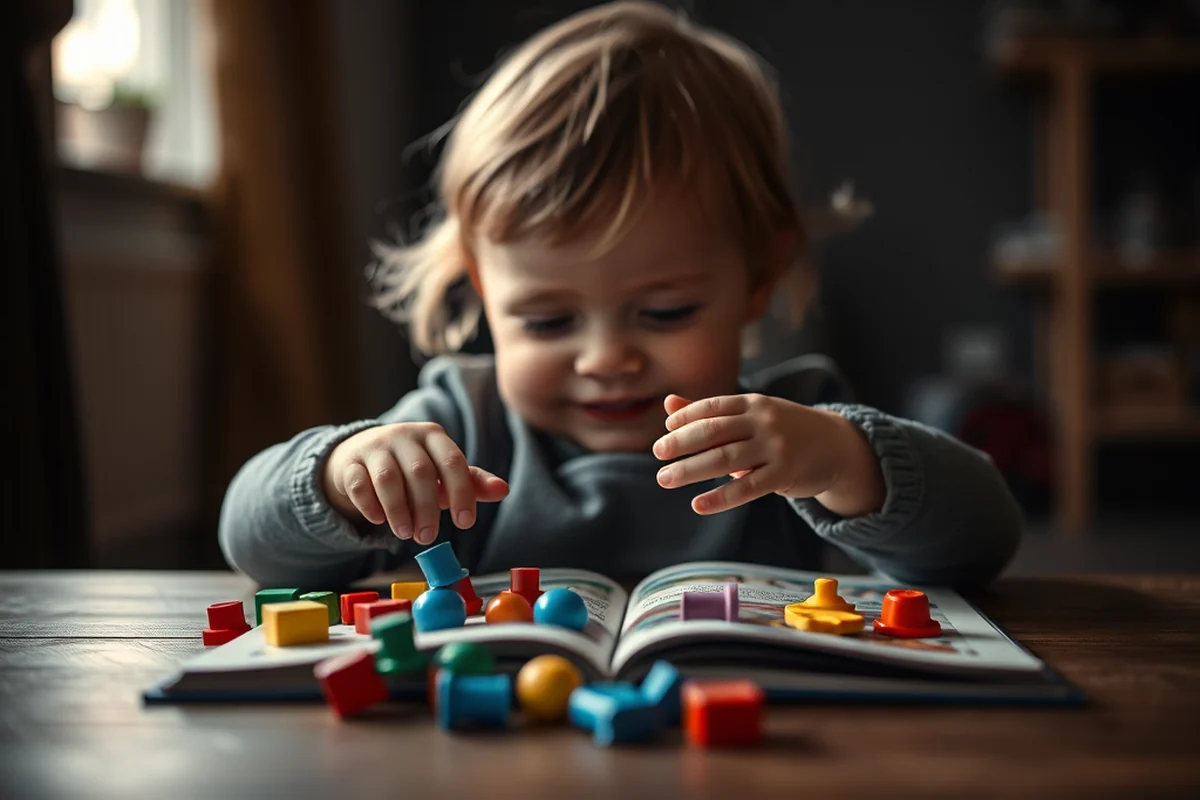
Language is a powerful tool in shaping a toddler’s understanding of fairness. The book emphasizes the importance of using clear, specific words when discussing what’s fair or unfair. Instead of vague statements like 'you should be nice,' the book suggests saying something like 'It’s fair to take turns with the toy, and that way both of us get to play.'
In my home, I began to use phrases like 'sharing is fair' or 'taking turns is kind.' I noticed that my daughter started to use similar language herself. Reinforced the behavior I was trying to model. It wasn’t just about teaching her fairness—it was about creating a shared language around it.
The book even includes a section on how to use language to redirect tantrums, making the process less confrontational and more about understanding. It was a revelation to see how much a few simple words can shift the dynamic between parent and child.
Words shape behavior, but consistency shapes understanding.
Related: Best how to books
Fairness and Emotional Intelligence
One of the most valuable insights from *Is Fair Play a Book* is the link between fairness and emotional intelligence. My daughter started to show more empathy after we began discussing fairness in daily interactions. She would point out when a friend was upset and suggest ways to make things right, which was a big step in her social development.
The book outlines how teaching fairness helps toddlers recognize and manage their emotions. It’s not just about how they feel when things go their way—it’s about how they feel when things go wrong. That emotional awareness is a key component of emotional intelligence and lays the foundation for healthier relationships in the future.
I found that integrating fairness into emotional conversations helped my daughter express her feelings more clearly. She began to use phrases like 'I feel sad when you don’t listen' instead of throwing a tantrum. It was a small but significant change in her behavior.
When your child is upset, use the concept of fairness as a way to talk about their emotions. This helps them connect their feelings to their actions in a constructive way.
“The first time I saw my three-year-old daughter throw a tantrum over a dropped toy, I felt a mix of helplessness and confusion.”— Choosing a Toddler Bookshelf editors
Related: Best programming books 2025
Consistency in Teaching Fairness
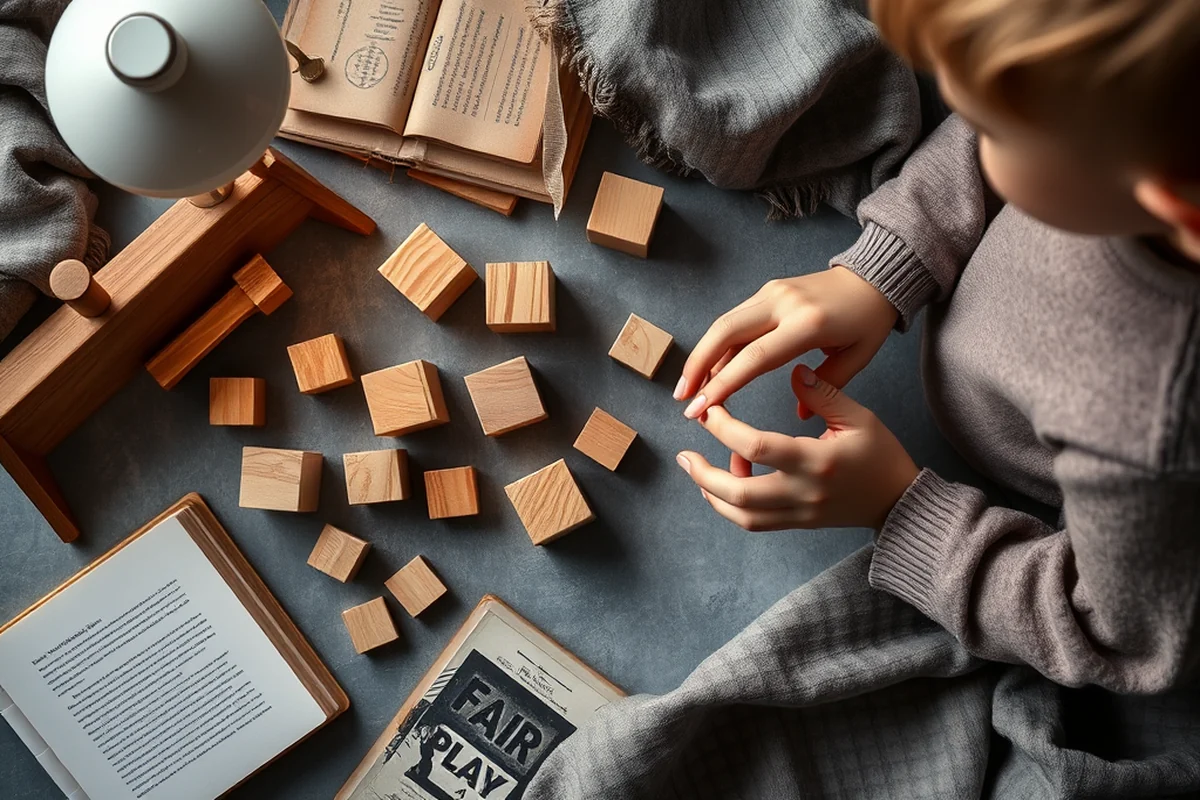
Toddlers learn best through consistency, and fairness is no exception. *Is Fair Play a Book* emphasizes that a child’s sense of fairness is built over time through consistent modeling and reinforcement. It’s not enough to say something once—it has to be part of a daily rhythm.
I noticed that when I was consistent in my approach to fairness—whether it was taking turns, sharing, or explaining decisions—it made a noticeable difference in my daughter’s behavior. She began to expect fairness as part of her environment, and that expectation helped her act in fair ways more often.
Consistency also helped her understand boundaries and expectations. When I was consistent in how I handled disagreements or conflicts, she felt more secure and confident in navigating those situations herself.
Related: What s the odyssey about summary
Fairness in Play and Social Settings
Playtime is where fairness often comes up the most, and *Is Fair Play a Book* makes excellent use of this. The book suggests using play as a teaching tool, whether it’s through board games, imaginative play, or group activities. These moments are perfect for reinforcing the idea of fair play in a fun and engaging way.
In my home, we started using simple games that required taking turns, like a board game with clear rules. We also incorporated imaginative play where we acted out scenarios that required sharing or cooperation. These experiences helped my daughter understand fairness in a context that felt natural and unforced.
The book even includes tips for handling conflicts during play, which I found incredibly helpful. It was reassuring to have a guide that understood the chaos of toddler play and how to turn it into a learning opportunity.
Related: David baldacci books in order
Dealing with Fairness Disputes
Disputes about fairness are common, and *Is Fair Play a Book* provides practical advice for handling them. The book suggests using clear communication, validating the child’s feelings, and offering choices to help them feel in control. These strategies made a real difference in how I approached conflicts at home.
I found that when my daughter felt her feelings were acknowledged and her options were respected, she was more willing to comply with fair decisions. It wasn’t about winning the argument, but about helping her feel heard and understood.
The book also emphasizes the importance of following through on decisions, which helps build trust and consistency. It’s not enough to say something once—it has to be reinforced through actions and follow-through.
Fairness is not about control—it’s about connection.
Related: What to write a book review
The Long-Term Impact of Fairness
The long-term impact of fairness in early childhood is profound, and *Is Fair Play a Book* highlights this clearly. My daughter has grown into a more empathetic and cooperative child, and I attribute that to the early lessons we learned about fairness. It’s not just about how she treats others—it’s about how she treats herself.
I’ve noticed that she’s more patient, more willing to listen, and more capable of resolving conflicts on her own. These are the kinds of skills that last a lifetime, and I’m grateful that we started early.
The book also suggests that teaching fairness early helps create a more just and compassionate society, one child at a time. It’s a powerful reminder that the lessons we teach now shape the future.
🌸 Gentle Approach
Use soft language and gentle reinforcement to teach fairness without pressure.
⚡ Fast-Track Method
Focus on quick, consistent lessons that help children internalize fair behavior efficiently.
✈️ Travel/Remote Method
Use fair play strategies during travel or with babysitters to maintain consistency away from home.
👶 Multiples Strategy
Tailor fair play lessons to manage multiple children with different needs and personalities.
🔄 Regression Reset
Refocus on fairness during developmental regression to help children regain emotional balance.
| The mistake | Why it happens | The fix |
|---|---|---|
| Overcorrecting during tantrums | Overcorrecting can make a child feel misunderstood or judged, which can increase frustration and resistance. | Instead, validate their feelings and use calm, clear language to explain fair behavior. |
| Neglecting consistency in fair behavior | Inconsistent behavior can confuse a child and make it harder for them to understand what is fair. | Model fair behavior consistently across different situations and reinforce it with clear communication. |
| Using fairness as a threat or punishment | Using fairness as a threat can make the concept feel negative or punitive, which can backfire. | Frame fairness as a positive value that helps everyone, not as a tool for control or punishment. |
| Ignoring a child’s feelings when teaching fairness | Dismissing a child’s feelings can make them feel unheard and less likely to internalize the lessons being taught. | Take time to listen and validate their emotions before addressing the behavior. |
Is Fair Play A Book
Common Questions
How can I teach my toddler about fairness without making them feel unfairly treated?
What should I do if my toddler refuses to share?
Can fairness be taught through play?
How do I handle conflicts over fairness?
References
- (PDF) Fair Play: Art, Performance and Neoliberalism - Academia.edu (academia.edu)
- In Wild Trust: Larry Aumiller and the McNeil River Story (adfg.alaska.gov)
- Invisible Labor in Families: A Conversation With Eve Rodsky About ... (alumni.umich.edu)
- On the Way to Becoming an Authentic Reader - BYU Studies (byustudies.byu.edu)
Cite this guide
Choosing a Toddler Bookshelf (2026). Is Fair Play A Book. https://bookwiden.com/is-fair-play-a-book/
Feel free to cite or share this guide.
Toddler Bookshelf Sizer
Sizes a toddler bookshelf by book count, display style and child reach.
Open it free →