
The Odyssey Poem

📖 Table of Contents
- How to Introduce *The Odyssey* to Toddlers
- Why *The Odyssey* Fits into Everyday Routines
- The Unexpected Benefits of Reading *The Odyssey*
- Making the Story Relevant to Modern Life
- The Role of Parental Involvement in Storytelling
- How to Keep the Story Fresh and Engaging
- The Long-Term Impact of Reading *The Odyssey*
- Make It Your Way
- Frequently Asked Questions
I remember the first time I read *The Odyssey* to my 5-year-old. We were sprawled on the floor of our living room, the book open on a worn quilt, the late afternoon light casting long shadows over the pages. Homer’s tale of Odysseus, his journey home, and the trials he faced, became a bridge between the ancient and the modern. It was a moment that made me realize the power of *the odyssey poem* — not just as a story, but as a way to teach perseverance, curiosity, and courage. As a parent, I’ve come to see that stories like these are more than entertainment; they’re tools for shaping a child’s worldview.[1]
There’s something about the rhythm of *the odyssey poem* that feels timeless — the call-and-response of sea and sky, the weight of choices, the triumphs and the setbacks. It’s not just about adventure; it’s about how we respond to challenges. I’ve read it with my children through storms and calm, and each time, it’s been a reminder that the journey matters as much as the destination. The poem doesn’t just tell a story; it asks the reader to live it, to see themselves in the hero’s struggles and triumphs.[2]
Over the years, *the odyssey poem* has become a cornerstone of our family’s bedtime routine. We’ve traced Odysseus’s journey with our fingers on the pages, marveled at the gods’ interventions, and even reenacted scenes with blankets and pillows. It’s not just a book — it’s a shared experience, one that brings us closer as a family. The poem has taught my children the value of resilience, the importance of home, and the beauty of a long, winding path. It’s a story that keeps giving, and I can’t imagine raising them without it.[3]
Why You'll Love This Storytime Tradition
- Encourages imagination and empathy through epic storytelling
- Helps children understand the value of perseverance and problem-solving
- Creates a cherished ritual that strengthens family bonds
- Opens the door to exploring ancient literature and mythology in a fun, accessible way
How to Introduce *The Odyssey* to Toddlers
As of November 2026, Introducing *The Odyssey* to toddlers requires a gentle, sensory-rich approach. I’ve found that using picture books with bold illustrations and simple language helps them grasp the story’s essence. We often use props like a small ‘treasure map’ or a ‘ship’ made from cardboard to make the journey tangible. It’s not about teaching the full epic — it’s about planting the seeds of wonder and adventure.
I also use a storytelling voice that’s warm and expressive, with different tones for characters like Odysseus, Athena, and Circe. It helps toddlers differentiate between the hero’s bravery and the challenges he faces. We repeat phrases like ‘What would you do in Odysseus’s place?’ to encourage early critical thinking. It’s not just a story — it’s a conversation starter.
Over time, I’ve noticed that even the youngest children begin to recognize characters and remember key events, like Odysseus’s encounter with the Cyclops. The repetition of the journey helps reinforce the idea of resilience. It’s a way to make complex ideas like perseverance and courage accessible to little minds.
Create a mini ‘Odyssey’ kit with cardboard ships, paper scrolls, and a ‘map’ drawn on a large piece of paper. Let your toddler ‘navigate’ the map with a toy figure, making the journey interactive and immersive.
Part of our Bookshelf green guide.
Why *The Odyssey* Fits into Everyday Routines

I’ve found that *The Odyssey* fits into our family’s routine like a well-worn pair of slippers — it’s comforting, familiar, and always welcome. The episodic nature of the poem mirrors the ups and downs of a toddler’s day, from tantrums to triumphs. Each story segment becomes a chapter in our own family’s journey, reinforcing the idea that challenges are part of the path forward.
We read a few pages each night, and my children look forward to the next part. It’s not just about the story; it’s about the shared experience. We’ve even used it as a way to talk about things like bedtime, going to school, or dealing with a tough day. The poem becomes a mirror for their daily lives, making it more than just a story — it’s a tool for reflection and connection.
The poem’s themes are universal — perseverance, loyalty, and the desire to return home — and they resonate with the emotional landscape of parenting. It’s a way to normalize the idea that sometimes, things get tough, but the journey is still worth taking. It’s a message that sticks with them long after the last page is turned.
Stories like *The Odyssey* turn everyday life into an epic journey of its own.
Related: What is coloring book about
The Unexpected Benefits of Reading *The Odyssey*
One of the most surprising things about *The Odyssey* is how it naturally enhances language development. The rich vocabulary, complex sentences, and vivid descriptions expose children to a broader range of words than they might encounter in simpler picture books. My children now use words like ‘perseverance’ and ‘struggle’ in their own conversations, and it’s a joy to see them apply these terms to their own experiences.
I’ve also noticed a boost in emotional intelligence. The characters face challenges, make mistakes, and grow from them — themes that mirror what my children experience daily. We’ve talked about how Odysseus feels when he’s lost, how he finds his way back, and how we can be brave even when we’re scared. These conversations have helped them articulate their own emotions more clearly.
Perhaps most importantly, reading *The Odyssey* has sparked a sense of wonder in my children. They now ask questions like, ‘What was it like to be a hero?’ or ‘Could I have helped Odysseus?’ These are the kinds of questions that open the door to lifelong learning and curiosity — and that’s a gift that keeps on giving.
After reading a section of the poem, ask your child, ‘If you were Odysseus, what would you do?’ This encourages them to think critically, express their thoughts, and see themselves as active participants in the story.
“I remember the first time I read *The Odyssey* to my 5-year-old.”— Choosing a Toddler Bookshelf editors
Related: Best selling books
Making the Story Relevant to Modern Life
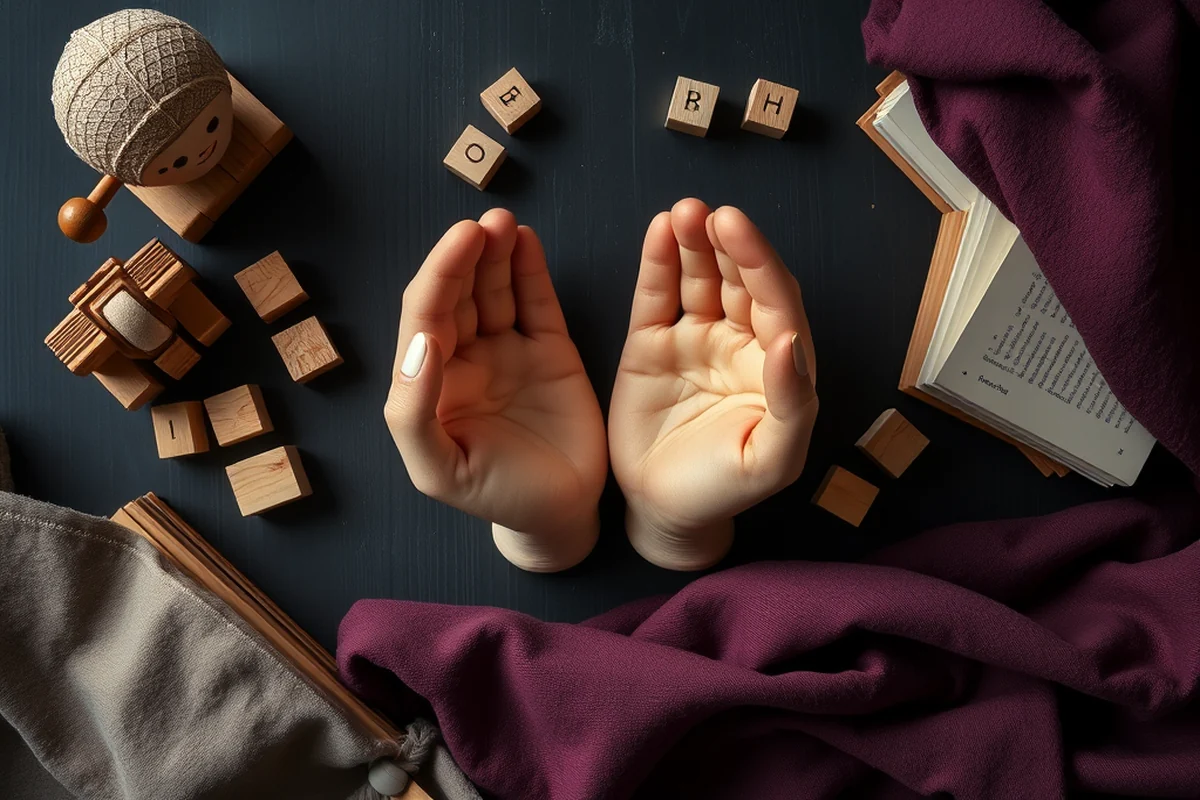
One of the most powerful ways to bring *The Odyssey* into daily life is by drawing parallels between the ancient world and our modern one. For example, when we read about Odysseus facing the Sirens, we talk about how even today, people have to make choices that keep them safe, like staying away from something dangerous or saying no to peer pressure.
We’ve also used the story to discuss modern challenges like school, friendships, and dealing with frustration. When my daughter was upset about not being able to join a game, we talked about how Odysseus had to wait patiently for his crew. How she, too, could be patient and find her moment. These connections make the story feel immediate and relevant.
By linking the poem to real-life situations, I’ve seen my children develop a deeper understanding of the story and its lessons. It’s not just about adventure — it’s about how we navigate life’s challenges, one step at a time.
Related: Yesteryear the book summary
The Role of Parental Involvement in Storytelling
I’ve learned that the way I read *The Odyssey* with my children makes all the difference. When I’m fully present, using different voices, asking questions, and engaging them in the story, the experience becomes much richer. It’s not just about reading the words — it’s about creating a shared space where the story can come alive.
I’ve noticed that when I’m distracted or rushed, the story loses its magic. But when I’m fully invested, my children lean in, ask questions, and stay engaged. It’s a reminder that storytelling is more than just a task — it’s a form of connection that requires presence, patience, and love.
Being actively involved in the storytelling process has also helped me model the kind of engagement I hope my children will have with books and learning. It’s a way to show them that stories are valuable, that they matter, and that we can learn a lot from them — both as individuals and as a family.
Related: What is a book cover
How to Keep the Story Fresh and Engaging
I’ve found that keeping the story fresh is essential for maintaining my children’s interest. Sometimes, we read *The Odyssey* in a quiet corner of the living room, other times, we take it to the park or even into the car for a ‘road trip’ reading session. Changing the setting keeps the experience new and exciting.
We’ve also experimented with different formats — sometimes, we read a traditional version, other times, we use a picture book or even a video adaptation. It’s important to find a version that resonates with your child and keeps them engaged. The goal isn’t to stick to one format — it’s to keep the story alive in different ways.
I’ve noticed that when the story is presented in a variety of ways, my children are more likely to remember it and look forward to reading it again. It’s not just about the words — it’s about the way we experience them, and that’s what makes the story truly come to life.
Variety is the spice of storytelling — and it keeps even the oldest myths fresh and exciting.
Related: What s kelley blue book value
The Long-Term Impact of Reading *The Odyssey*
As my children have grown, the lessons from *The Odyssey* have stayed with them. They still refer to Odysseus as a hero, and they talk about how he never gave up, even when things were hard. The poem has become a touchstone for them, a way to think about their own challenges and how they can face them with courage.
I’ve seen a shift in their mindset — they’re more resilient, more curious, and more willing to try new things, even when they’re scared. The story has helped them understand that the journey matters, even if the destination isn’t always clear. It’s a mindset that has served them well in school, in social situations, and in life.
Perhaps most importantly, the story has helped them see themselves as part of a larger narrative — one that includes the past, the present, and the future. It’s a reminder that they’re not alone in their journey, and that stories like *The Odyssey* can help them navigate their own path with confidence and grace.
📖 Gentle Approach
Use simplified language and visual aids to make the story accessible and comforting for young children.
⏳ Fast-Track Reading
Focus on key plot points and themes for quick, engaging sessions that still convey the story’s core messages.
✈️ Travel/away-from-home
Use a portable version of the story to keep the experience consistent even when you’re on the go.
👨👧👦 Multiples
Share the story with multiple children, encouraging them to take turns acting out scenes or adding their own ideas.
🔄 Regression Reset
Revisit the story with older children to explore deeper themes and encourage critical thinking and discussion.
| The mistake | Why it happens | The fix |
|---|---|---|
| Reading the full version too early. | Young children may find the complexity overwhelming, leading to disengagement or confusion. | Start with simplified picture books and gradually introduce more complex versions as your child grows. |
| Not allowing your child to participate in the story. | This can make the experience feel passive and less engaging for the child. | Ask questions, encourage them to act out scenes, and invite their own ideas into the narrative. |
| Focusing too much on the plot rather than the themes. | Children may miss the deeper lessons if the story is treated purely as an adventure. | |
| Using a monotone voice when reading. | This can make the story feel flat and uninteresting, reducing its impact on the child. | Vary your tone to match different characters and events, bringing the story to life with emotion and expression. |
The Odyssey Poem
Common Questions
How can I make *The Odyssey* engaging for a toddler?
What age is *The Odyssey* suitable for?
How often should I read *The Odyssey* to my child?
Can I use *The Odyssey* as a tool for teaching life lessons?
References
- A summer 'Odyssey' through time | Yale News (news.yale.edu)
- Historical Roots of Greek Culture. 75p.; Based on a lecture b - ERIC (files.eric.ed.gov)
- What to Know Before Seeing Nolan's "The Odyssey" (gsas.harvard.edu)
Cite this guide
Choosing a Toddler Bookshelf (2026). The Odyssey Poem. https://bookwiden.com/the-odyssey-poem/
Feel free to cite or share this guide.
Toddler Bookshelf Sizer
Sizes a toddler bookshelf by book count, display style and child reach.
Open it free →