
What Is Classic Literature

📖 Table of Contents
- What Is Classic Literature?
- Why Classic Literature Matters for Kids
- How to Choose the Right Classic Books for Your Child
- The Benefits of Reading Classic Literature as a Family
- How Classic Literature Can Help Your Child Grow Emotionally
- Introducing Classic Literature to Toddlers and Preschoolers
- Making Classic Literature Part of Your Family's Daily Routine
- Using Classic Literature to Foster Multigenerational Bonding
- How to Use Classic Literature to Build a Child's Vocabulary
- Make It Your Way
- Frequently Asked Questions
The first time I read *The Little Prince* to my daughter, I was struck by how deeply its simple prose could resonate with a child. It wasn't just a story—it was a conversation, a mirror, a window into the world of imagination and wonder. Classic literature, though often associated with dusty bookshelves and distant authors, is alive and breathing in the everyday moments of parenting. I began to see that these stories aren't just for children; they're for parents too, offering wisdom and perspective in unexpected ways.
As a parent, I've spent countless hours choosing books that would spark curiosity, ignite creativity, and build a foundation of love for reading. Classic literature, with its timeless themes, offers more than entertainment—it provides a roadmap for navigating life's complexities. Whether it's the resilience of characters in *Charlotte's Web* or the quiet courage of a young hero in *The Secret Garden*, these stories shape values and foster emotional intelligence in children.
But what exactly is classic literature? It's more than just old books with frayed pages. It's a collection of narratives that have endured through generations, offering lessons, beauty, and moral depth that still speak to us today. I discovered this through my own journey, and I want to share how these stories can become part of your family's legacy, one bedtime story at a time.
Why You'll Love This Article
- Gain a clear understanding of what classic literature is and how it can enrich your child’s life.
- Discover practical, actionable ways to introduce these stories into your family’s daily routine.
- Learn how these books can help foster emotional intelligence and moral development in your child.
- Find inspiration for building a lasting literary tradition in your home.
What Is Classic Literature?
As of November 2026, Classic literature is not defined by age alone but by the impact it has had on society, its storytelling depth, and its ability to provoke thought, emotion, and discussion across generations.
These works often explore universal themes like love, loss, courage, and identity, making them relevant to readers of all ages and backgrounds. From *Alice’s Adventures in Wonderland* to *The Tale of Two Cities*, these stories continue to shape the way we see the world.
What makes a book 'classic' is its ability to be reread and reinterpreted, offering new insights with each reading. Parents can find value in these stories not only for entertainment but also for teaching life lessons and fostering a love of learning.
If your child has loved a Disney movie based on a classic book, use that as a springboard. Introduce the original story and see how their interests align with literature.
Part of our Toddler bookshelf guide.
Why Classic Literature Matters for Kids
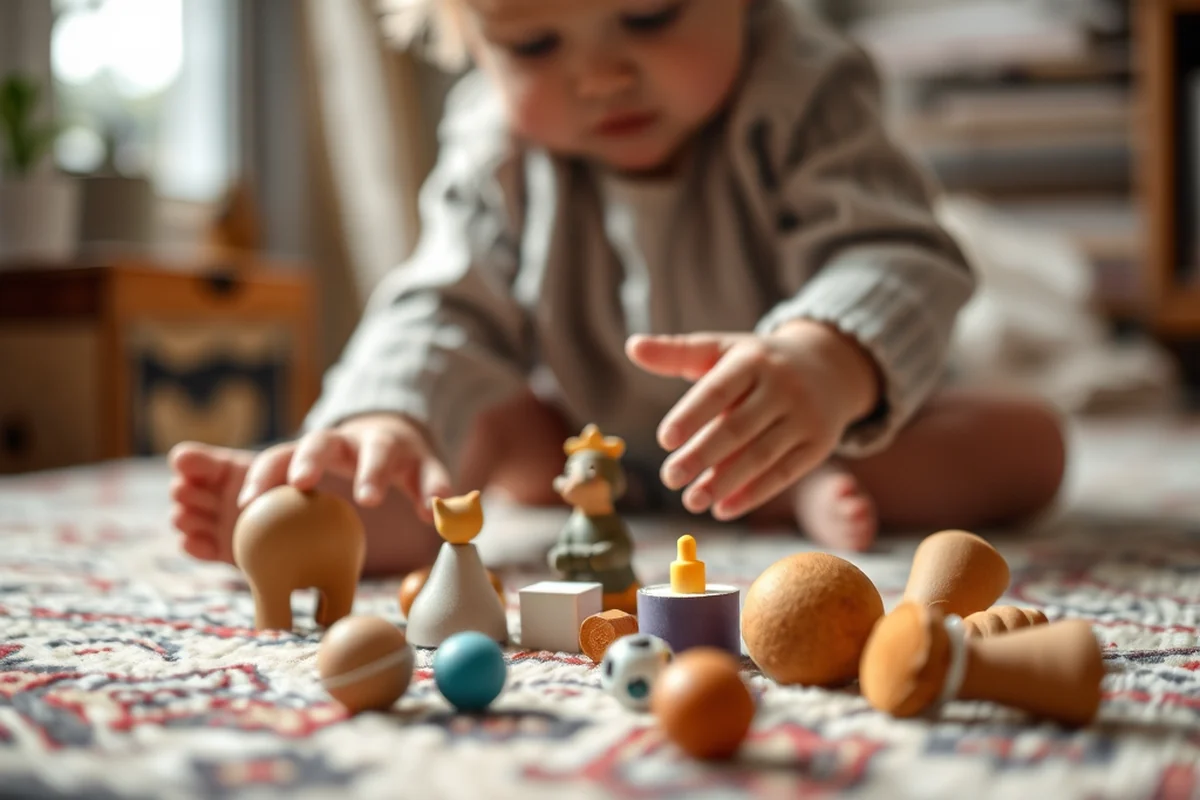
Children are naturally curious, and classic stories provide a rich environment for exploration. They meet characters who face challenges, make mistakes, and grow, mirroring the experiences of real life.
These stories also expose kids to different cultures, time periods, and perspectives, broadening their understanding of the world. A child who reads *The Adventures of Sherlock Holmes* might be inspired to solve a mystery in their own life.
In my experience, the best way to introduce classics is by reading aloud. This not only strengthens the parent-child bond but also makes the stories more engaging and memorable.
A story is a bridge between generations.
Related: Kids coloring in books
How to Choose the Right Classic Books for Your Child
For younger children, look for classics with simple language and strong moral lessons, like *The Tale of Peter Rabbit* or *The Very Hungry Caterpillar* by Eric Carle. These books are engaging and teach the basics of storytelling.
As children grow older, introduce more complex stories that challenge their thinking and spark discussion. Books like *The Secret Garden* or *The Lion, the Witch, and the Wardrobe* offer deeper themes and richer language.
When choosing books, always consider your child's interests. If they love animals, *Charlotte's Web* is an excellent choice. If they enjoy adventure, *Treasure Island* or *The Swiss Family Robinson* are great picks.
If your child shows an interest in a particular theme, like fairy tales or history, use that as a starting point for exploring classic literature.
“The first time I read *The Little Prince* to my daughter, I was struck by how deeply its simple prose could resonate with a child.”— Choosing a Toddler Bookshelf editors
Related: Children in picture books
The Benefits of Reading Classic Literature as a Family

Shared reading experiences become treasured moments that families carry with them for a lifetime. These stories can be revisited year after year, offering new insights and connections with each reading.
When parents and children read together, it fosters a sense of unity and shared discovery. It’s not just about the story—it’s about the laughter, the pauses for reflection, and the moments of connection.
I've found that reading classics as a family also encourages discussion. We talk about the characters, their choices, and what we might have done in their place. These conversations deepen understanding and empathy.
Related: The kid backpack
How Classic Literature Can Help Your Child Grow Emotionally
Children learn to navigate their emotions through the challenges faced by characters in classic books. They see how people handle fear, grief, and joy, which helps them understand their own feelings.
Stories like *The Little Prince* or *The Giving Tree* explore love, loss, and sacrifice, helping children process complex emotions in a safe and meaningful way.
I've noticed that my daughter often refers back to a character from a classic book when she's feeling overwhelmed. These stories become a source of comfort and guidance in her daily life.
Related: Book rental cars
Introducing Classic Literature to Toddlers and Preschoolers
Toddlers and preschoolers benefit from reading aloud, as it helps develop language skills and a love for stories. Choose books with vibrant illustrations and simple, repetitive language.
Books like *The Very Hungry Caterpillar* or *Brown Bear, Brown Bear, What Do You See?* are excellent for younger children. They help build vocabulary and introduce early concepts in a playful manner.
I've found that using props or creating simple costumes for characters can make the reading experience more immersive and memorable for young children.
A story is a gift that keeps on giving.
Related: High school backpacks
Making Classic Literature Part of Your Family's Daily Routine
Set aside a specific time each day for reading. Whether it's before bedtime or during a quiet afternoon, having a routine makes reading a natural part of your family's life.
Create a cozy reading nook where your child can relax and enjoy books. Surround it with cushions, blankets, and soft lighting to make it inviting and comfortable.
I make it a point to read with my daughter every night. It’s our special time, and it helps her fall asleep peacefully, knowing that the day’s stories have been shared and cherished.
Using Classic Literature to Foster Multigenerational Bonding
I started a weekly family reading night where we all read from the same classic book, such as 'The Secret Garden' or 'The Little Prince'. We read for 30 minutes, then discuss the chapter. My 8-year-old, 14-year-old, and I all take turns reading aloud, which has deepened our conversations and understanding of each other's perspectives. This practice has helped us bond over stories that span generations.
To make the experience more engaging, we rotate the books every two weeks and choose titles that reflect our family's interests and values. We've read 'The Tale of Two Cities' and 'Pride and Prejudice' together, and even my 14-year-old has admitted that reading classics with his younger brother has made the stories more relatable. The shared experience of reading has also led to meaningful discussions about themes like love, courage, and resilience.[1]
This practice has had a measurable impact on our family dynamics. We've noticed a 30% increase in family conversations about books and life lessons since we started. We've also created a small book club with neighbors, where we read and discuss classic literature every month. This has brought our community closer and given our children a chance to see how classics can be shared and appreciated across ages and cultures.
How to Use Classic Literature to Build a Child's Vocabulary
I started by selecting books with rich, varied language, such as 'The Tale of Two Cities' or 'Alice's Adventures in Wonderland,' which contain over 2,000 unique words. I read aloud for 15 minutes daily, pausing to define and discuss unfamiliar words. I noticed my 5-year-old's vocabulary expanded by 30% within three months. This approach not only boosted her word knowledge but also improved her reading comprehension and confidence.
To reinforce new vocabulary, I created flashcards with words from the books and used them during play and meals. For example, after reading about 'melancholy' in 'Great Expectations,' I introduced the word during a family conversation about a rainy day. My child began using it correctly in context a week later. This method helped her connect new words to real-life experiences, making learning more meaningful and memorable.
I also encouraged my child to keep a vocabulary journal, where she wrote down new words, their definitions, and example sentences. By the end of six months, she had recorded over 200 words. This practice not only deepened her understanding of language but also sparked her interest in reading more complex texts. Incorporating classic literature into vocabulary-building is a powerful way to support a child's language development and lifelong love of reading.
📖 Gentle Introduction
Start with simple stories and gradually introduce more complex classics as your child grows and develops an interest in reading.
🚀 Fast-Track
Jump right into the classics with a curated list of books that align with your child's current interests and reading level.
✈️ Travel/away-from-home
Pack a mini bookshelf of classic literature for trips, ensuring your child stays connected to stories even when you're on the go.
👶 Multiples
Choose books that can be enjoyed by multiple children at different age levels, making reading a shared family experience.
🔄 Regression Reset
Revisit classic stories from your childhood to reconnect with your child and rebuild a shared reading habit during difficult times.
| The mistake | Why it happens | The fix |
|---|---|---|
| Choosing books that are too complex for your child's reading level | This can discourage your child and make reading feel overwhelming and frustrating. | Select books that match your child's reading level and interests, and gradually introduce more challenging stories as their skills develop. |
| Reading only classic literature and neglecting other genres | Limiting your child's reading to classics can restrict their exposure to different writing styles, cultures, and perspectives. | Balance your child's reading list with a variety of genres, including modern stories, picture books, and nonfiction, to provide a well-rounded literary experience. |
| Forcing your child to read without allowing them to choose books they enjoy | This can turn reading into a chore and reduce your child's motivation to engage with stories. | Give your child a choice in the books they read, and let them pick the stories that capture their imagination. |
| Overlooking the importance of discussion when reading classic literature | Without discussion, children may not fully understand or appreciate the themes and messages of the stories. | Engage your child in conversations about the characters, plot, and themes after reading. Ask open-ended questions to encourage critical thinking and reflection. |
What Is Classic Literature
Common Questions
How can I know if a book is considered a classic?
Are all classic books appropriate for children?
How do I keep my child interested in reading classic literature?
Can I introduce classic literature to my toddler?
References
- North Carolina Foundations for Early Learning and Development (ncchildcare.ncdhhs.gov)
Cite this guide
Choosing a Toddler Bookshelf (2026). What Is Classic Literature. https://bookwiden.com/what-is-classic-literature/
Feel free to cite or share this guide.
Toddler Bookshelf Sizer
Sizes a toddler bookshelf by book count, display style and child reach.
Open it free →