
What Is A Book Cover Design

📖 Table of Contents
- What Is a Book Cover Design, and Why Does It Matter?
- The Psychology Behind Book Cover Design
- The Role of Typography in Book Cover Design
- Color Theory in Book Cover Design
- The Influence of Imagery on Book Cover Design
- The Evolution of Book Cover Design
- How to Choose or Design a Book Cover That Works for Your Child
- Make It Your Way
- Frequently Asked Questions
There are few things as powerful as a well-designed book cover. I remember the first time I held my daughter’s picture book in my hands, the colors so vibrant, the characters so familiar, and how it immediately pulled her in. That moment was the beginning of a lifelong journey into the world of book cover design — not just for children, but for all ages. As a parent, I've learned that a great book cover isn’t just about aesthetics; it’s about connection, curiosity, and inviting a child (or even an adult) into a world of stories.[1]
What is a book cover design, you might ask? It’s more than just the visual wrapper around a book — it’s a strategic combination of color, typography, imagery. Layout, all working together to communicate a message, evoke emotion, and guide the reader’s experience. In the world of parenting, where books are often used as tools for learning, comfort, and imagination, the cover becomes the first step in that journey. It’s a silent salesperson, a first impression, and sometimes, the only chance a book has to be picked up and opened.[2]
Over the years, I’ve explored countless book covers — from the classic tales that shaped my own childhood to the modern, minimalist designs that speak to a new generation. I’ve learned that a good book cover design can make the difference between a book being overlooked or becoming a favorite in a child’s collection. What I’ve come to appreciate most is that it’s not just an art form; it’s a science, a conversation, and a bridge between the reader and the story that lies within.[3]
Why You'll Love This Guide to Book Cover Design
- Gain insight into the emotional and practical elements that make a book cover effective for young readers.
- Discover how to choose or design a book cover that matches your child’s interests and developmental stage.
- Learn the hidden impact of typography and color on a child’s engagement with stories.
- Understand how a well-crafted cover can support early literacy and cognitive development.
What Is a Book Cover Design, and Why Does It Matter?
As of November 2026, a book cover design is more than a pretty picture — it's a visual conversation between the reader and the book. When I first started looking for books for my daughter, I was shocked by how different the covers were. Some were bright and colorful, others simple and minimal. I learned that the cover is the first thing a child — or even an adult — notices, and it can make the difference between a book being picked up or left on the shelf.
In the context of parenting, where books are used for learning, imagination, and emotional development, the cover becomes a crucial piece of that puzzle. A well-designed cover can spark curiosity, reduce hesitation, and even influence the way a child interacts with the book. For example, when I bought a book with a soft pastel cover, my daughter instantly reached for it, while a book with a bold, high-contrast cover caught her attention in a different way.[4]
The design of a book cover can also signal the tone of the story. A book with a whimsical, hand-drawn cover might suggest a fairy tale, while a sleek, modern design could hint at a nonfiction or educational book. This subtle guidance helps children handle the world of books more confidently and with more curiosity.
Look for books with covers that match your child's current passions — animals, vehicles, or even their favorite character. This helps them form a personal connection with the book.
Part of our Bookshelf green guide.
The Psychology Behind Book Cover Design
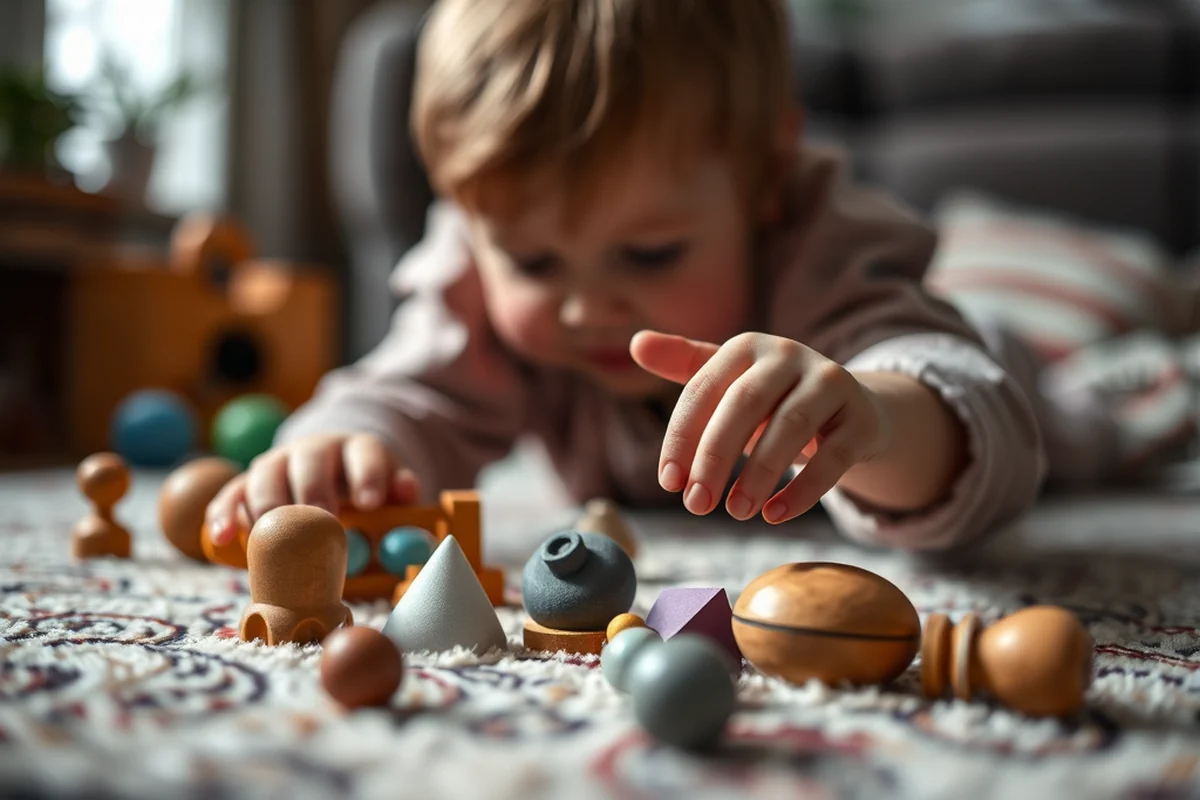
When I first realized that a child’s brain processes visual information before text, I started to pay closer attention to book covers. It turns out that the brain is wired to notice color, shape, and contrast almost instantly — a fact that book designers have known for years. The right cover can evoke a sense of comfort, excitement, or even mystery, all of which can influence a child’s decision to pick up the book.
For instance, I noticed that my daughter was more likely to reach for books with rounded edges and gentle colors, which gave her a sense of familiarity and safety. In contrast, books with sharp corners and intense colors often scared her away. This simple observation taught me that book cover design isn’t just about aesthetics — it’s about creating an emotional response that encourages engagement.
Designers also use psychological principles like the 'Zeigarnik effect,' where unfinished tasks are more memorable. A cover that hints at a story — like a character mid-action — can pique a child’s curiosity and make them more eager to open the book.
A well-designed cover is a whisper of the story waiting inside.
Related: Top books 2026
The Role of Typography in Book Cover Design
I used to think that typography was just about the font — but now I know it's about much more than that. The way the title is written, the size of the letters, and even the spacing between words all send subtle messages to the reader. When I bought a book with a bold, serif font, my daughter immediately assumed it was about dinosaurs, even before I told her what it was about.
In the world of book cover design, typography can be used to create a sense of urgency, nostalgia, or even playfulness. For example, a book with a cursive title can feel more personal or artistic, while a block font can feel more authoritative or educational. These choices are not made on a whim — they are strategic decisions that influence how the book is perceived.
I’ve also noticed that the use of all caps can signal excitement or importance, while lowercase letters can feel more casual or approachable. The right choice of typography can make a book stand out on a shelf or fit in seamlessly with others, depending on the designer’s goals.
Look at the font used on the cover — does it feel playful, serious, or whimsical? This can give you a sense of what the book is like before you even open it.
“There are few things as powerful as a well-designed book cover.”— Choosing a Toddler Bookshelf editors
Related: Odyssey the movie poster
Color Theory in Book Cover Design

Color has a direct impact on how we feel — something I learned the hard way when I picked up a book in bright red and immediately felt anxious. I wasn’t sure if it was a horror story or a children’s book, and I put it down. This experience taught me that color can be both a signal and a mystery with book cover design.
In the context of parenting, color is especially important. I’ve found that my daughter is more drawn to books with pastel colors. Feel calm and comforting, while books with bold, high-contrast colors often capture her attention in a more energetic or excited way. This isn’t just about taste — it’s about how color influences mood and behavior.
Color theory also plays a role in storytelling. For example, a book with a blue cover might signal a story that is peaceful or imaginative, while a green cover might suggest growth or nature. These subtle cues help a child form an emotional connection before even opening the book.
Related: Odyssey about summary
The Influence of Imagery on Book Cover Design
Imagery is the face of a book cover — the first thing that grabs attention and tells a story before a single word is read. When I was choosing books for my daughter, I noticed that she was drawn to covers with recognizable characters, like her favorite cartoon animals. These images acted as a kind of visual shortcut, making it easier for her to make a connection with the story.
In the world of book cover design, imagery is used to convey the mood, setting, and genre of a book. For example, a book with a forest scene on the cover might suggest a story of adventure or nature, while a book with a city skyline might imply a story about life or technology. These choices are not made randomly — they are deliberate and strategic.
I’ve also found that the use of imagery can help children navigate complex stories. When my daughter saw a book with a character in a spaceship, she immediately knew it was about space, even before I read her the title. This is the power of imagery — it helps bridge the gap between the visual and the narrative.
Related: Is the odyssey about cyclops
The Evolution of Book Cover Design
When I was a child, book covers were simple — often black and white with minimal detail. Today, book covers are rich with color, texture, and symbolism, reflecting a more complex and diverse storytelling landscape. This evolution has been driven by both technological advancements and changing reader expectations.
I’ve noticed that modern book covers often include multiple layers — from background textures to subtle patterns that add depth and interest. These elements are not just decorative — they serve a purpose. For example, a cover with a soft, watercolor texture can feel more nostalgic, while a cover with a metallic sheen can feel more modern and sophisticated.
In the world of parenting, this evolution has had a real impact on how children engage with books. My daughter, who grew up with simple, classic covers, now loves the intricate details on modern book covers. It’s a shift that has made reading more exciting and visually engaging for her.
Book cover design is a reflection of the times — and the stories we choose to tell.
Related: King james bible
How to Choose or Design a Book Cover That Works for Your Child
Choosing a book cover that works for your child is more than just picking the prettiest one — it requires understanding their preferences and developmental stage. When I first started buying books for my daughter, I focused on the stories, not the covers. Over time, I realized that a great cover was just as important — if not more so — in capturing her attention.
I’ve found that younger children are more drawn to bright, simple designs with clear imagery, while older children may prefer more abstract or complex visuals that reflect their evolving interests. For example, my daughter was drawn to books with cartoon characters when she was three, but now she prefers books with more realistic illustrations that reflect her growing curiosity about the world.
It’s also important to consider your child’s emotional needs. A child who is feeling anxious might benefit from a cover with calm, soft colors, while a child who is energetic might enjoy a cover with bold, dynamic visuals. This thoughtful approach helps ensure that the book cover not only captures attention but also supports the child’s emotional well-being.
🌱 Gentle Approach
A slow, thoughtful process of selecting covers that match your child’s mood and interests, focusing on comfort and emotional connection.
⚡ Fast-Track Approach
A quick and efficient method of choosing book covers based on immediate visual appeal and recognizable imagery.
✈️ Travel/away-from-home Approach
A mobile-friendly strategy for finding or designing book covers that can be accessed and used on the go.
👯♀️ Multiples Approach
A method for selecting or designing book covers that work well together for a cohesive reading experience.
🔄 Regression Reset Approach
A process of revisiting and re-evaluating book cover choices as your child grows and their interests evolve.
| The mistake | Why it happens | The fix |
|---|---|---|
| Choosing a cover that doesn’t match your child’s interests. | A mismatched cover can make the book feel irrelevant or unappealing to your child, reducing their engagement. | Look for covers that reflect your child’s current passions and developmental stage — this creates a stronger connection. |
| Overlooking the impact of color on your child’s mood. | Bright, intense colors can overwhelm or even scare your child, making them less likely to engage with the book. | Opt for soft pastels or muted tones that create a sense of calm and familiarity. |
| Using overly complex or abstract imagery. | Abstract or overly detailed covers can confuse young readers and make it harder for them to form a connection with the story. | Choose simple, clear imagery that is recognizable and relatable to your child. |
| Ignoring the importance of typography. | The wrong font can make a book feel unapproachable or unexciting, even if the cover is visually appealing. | Pay attention to the font — choose one that feels playful or serious, depending on the type of story and your child’s preferences. |
What Is A Book Cover Design
Common Questions
How can I tell if a book cover is well-designed for my child?
What should I avoid when choosing a book cover for my child?
Can I design my own book cover for my child?
How does a book cover affect my child’s reading habits?
References
- Design and Construction of University Book Layout Based on Text ... (pmc.ncbi.nlm.nih.gov)
- Validity of a Checklist for the Design, Content, and Instructional ... (files.eric.ed.gov)
- Exploring Bright Spots in Appalachian Health: Case Studies (PDF (arc.gov)
- Parent-Child Book-Reading Styles, Emotional Quality, and Changes ... (digitalcommons.unl.edu)
Cite this guide
Choosing a Toddler Bookshelf (2026). What Is A Book Cover Design. https://bookwiden.com/what-is-a-book-cover-design/
Feel free to cite or share this guide.
Toddler Bookshelf Sizer
Sizes a toddler bookshelf by book count, display style and child reach.
Open it free →