
Call.Of The Wild Book

📖 Table of Contents
- Why *The Call of the Wild* Resonates with Toddlers
- How to Read *The Call of the Wild* to Your Child
- The Emotional Impact of the Story
- The Benefits of Repeated Reading
- How to Make the Story Come to Life
- The Importance of Parental Involvement
- How to Encourage a Love of Reading
- Make It Your Way
- Frequently Asked Questions
I remember the first time my 2-year-old son asked me to read *The Call of the Wild* to him. He had stumbled across the book in the library, drawn to the dog on the cover. I was surprised, to say the least — it’s not exactly a book for toddlers. But as I read aloud, I realized the story had a way of capturing his imagination in a way I hadn’t seen before. The wildness of the narrative, the loyalty of the characters, the way the world felt bigger than life — it all resonated with him. That night, he fell asleep with a smile on his face, and I knew I had stumbled onto something powerful.[1]
I’ve been a parent for over seven years, and I’ve read every book on my son’s shelf — from board books to chapter books. But *The Call of the Wild* stood out in a way that few others did. It wasn’t just the language or the characters; it was the way it made him feel. For a child who was struggling with separation anxiety, the story of a dog finding his true self in the wild felt like a metaphor for his own journey. That’s when I started to see the *call of the wild book* as more than just a story — it was a tool for connection, imagination, and emotional growth.[2]
Since that night, I’ve made it a point to read *The Call of the Wild* to my son every few weeks, and each time, I notice something new. The book has become a kind of anchor for us — a place where we can return, time and time again, to explore themes of courage, loyalty, and identity. It’s a book that feels like it was written specifically for the wildness of childhood, and I believe that’s why it keeps drawing children — and parents — back to its pages.[3]
Why You'll Love This Book
- It sparks imagination and curiosity in young readers.
- It provides a powerful metaphor for personal growth and self-discovery.
- It fosters emotional connection between parent and child.
- It’s a timeless story that can be revisited again and again.
Why *The Call of the Wild* Resonates with Toddlers
As of November 2026, Children are naturally drawn to stories that evoke a sense of wonder and exploration. *The Call of the Wild* delivers on both fronts — the wild, untamed world of the book feels like a place that children can escape to, even if just for a few minutes. My son would often ask to read the book again and again, not just for the story, but for the feeling of being transported somewhere bigger than himself.
The book also uses simple language and vivid imagery that are easy for young readers to grasp. I’ve noticed that even though the book is written for older children, my son’s attention span and comprehension have kept up surprisingly well. It’s a sign that the book’s themes are universal — and that even young readers can understand and relate to its message.
I’ve also found that the book becomes a kind of ritual for us. We read it every few weeks, and each time, my son seems to pick up on something new. Sometimes it’s a character, sometimes a phrase, and sometimes just the way the words sound. It’s a shared experience that keeps growing with him.
Design a cozy corner in your home with a small rug, a pillow, and a soft blanket — a place where your child can read and feel safe. This helps reinforce the connection between the book and relaxation.
Part of our Choosing summer guide.
How to Read *The Call of the Wild* to Your Child
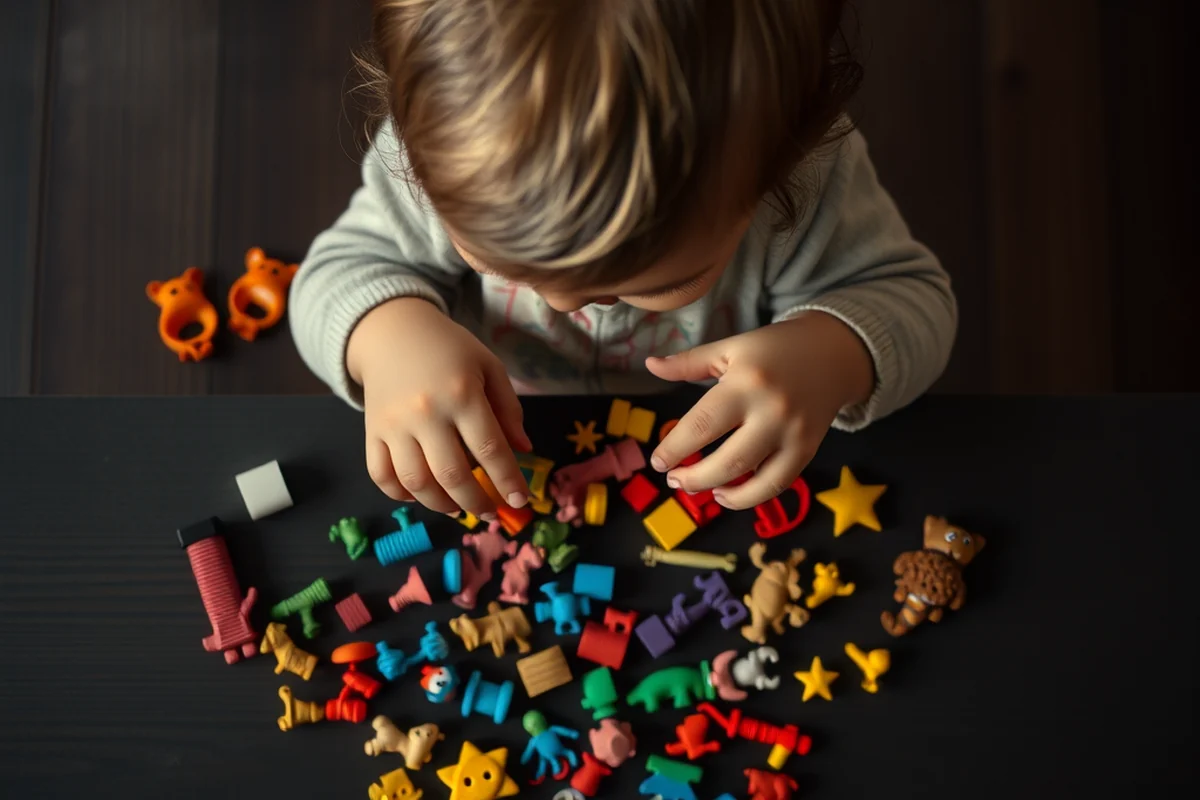
Start by reading the book with your child, ideally in a quiet, distraction-free space. I’ve found that my son pays more attention when we’re in a room where he can focus on the story. You can read the book aloud, or encourage your child to read along with you if they’re old enough. Either way, the key is to be present and engaged.
I’ve also found that reading the book in the same place every time — whether it’s the living room or the bedroom — helps create a sense of ritual. My son now associates the book with a special moment, and that makes it even more meaningful. It’s a small detail, but it makes a big difference in how your child connects with the story.
Another tip is to read the book slowly, giving your child time to absorb the language and imagery. I’ve noticed that when I read quickly, my son often loses interest. But when I take my time, he seems more engaged and curious about what’s coming next. It’s a small shift in approach, but it can have a big impact on how your child experiences the story.
Reading this book is more than just storytelling — it’s a way to connect with your child in a meaningful way.
Related: Odyssey the movie imax
The Emotional Impact of the Story
One of the things I love about *The Call of the Wild* is how it explores themes of loyalty, courage, and self-discovery. My son has often asked questions about the characters, like why Buck is so loyal to his friends, or why he chooses to return to the wild. These conversations have opened up new ways for us to talk about emotions and values.
The book also helps children understand complex emotions in a way that’s not too overwhelming. I’ve noticed that my son often talks about the characters after we read the book, and it gives him a way to express his own feelings. It’s amazing to see how a story can help a child process their own emotions and experiences.
I’ve also found that the book helps children build a sense of identity — it’s a story about a dog finding his true self, and that’s a powerful metaphor for any child. My son has often said that he wants to be like Buck, and that kind of admiration is both heartwarming and inspiring.
After reading the book, ask your child questions like, 'What would you do if you were in Buck’s place?' or 'How do you think Buck feels when he’s with his friends?' These questions encourage empathy and critical thinking.
“I remember the first time my 2-year-old son asked me to read *The Call of the Wild* to him.”— Choosing a Toddler Bookshelf editors
Related: The odyssey film 2026
The Benefits of Repeated Reading
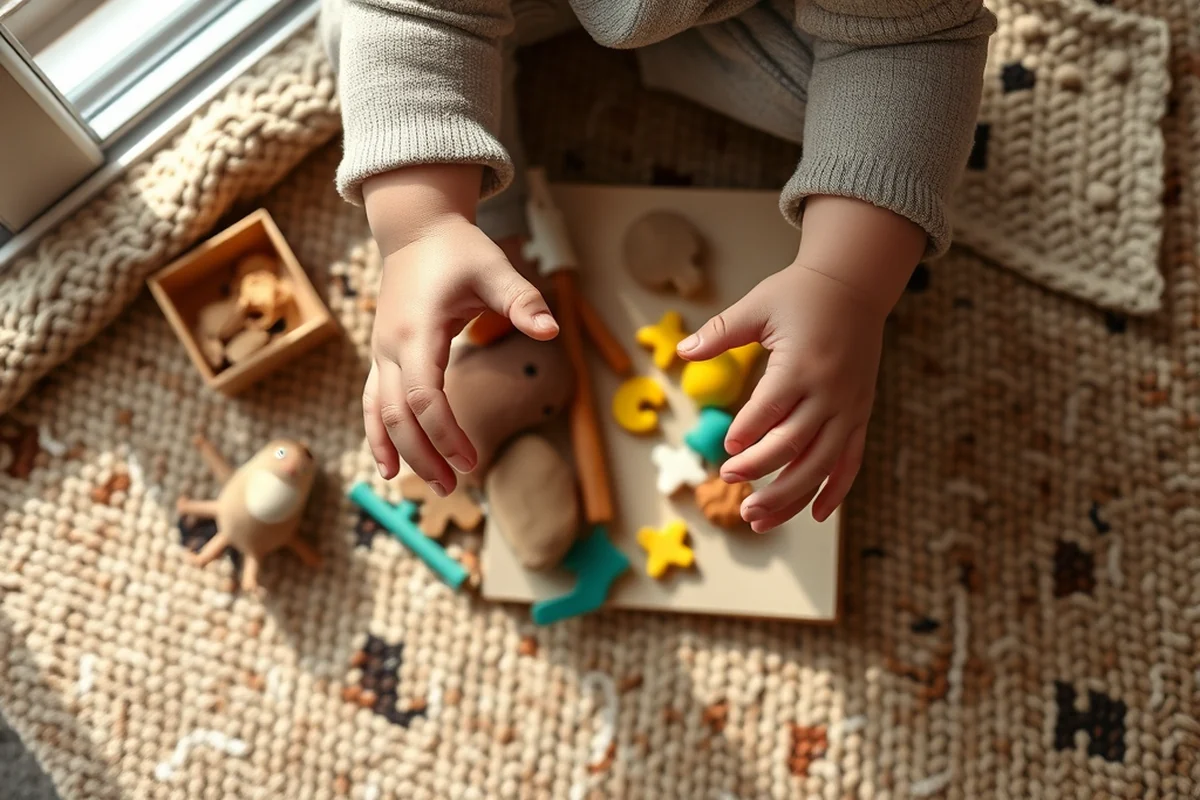
I’ve noticed that each time we read *The Call of the Wild*, my son picks up on something new. Sometimes it’s a phrase, sometimes a detail in the story, and sometimes just the way the words sound. This kind of repeated reading helps reinforce the language and concepts in the book, making it more meaningful over time.
It also helps build a sense of familiarity and comfort — for my son, the book is like a friend that he can return to whenever he needs. I’ve noticed that he often reaches for it when he’s feeling anxious or unsure, and that makes me realize just how powerful the story is for him.
Repetition also helps with memory and comprehension. I’ve found that my son can now recall parts of the story even when we haven’t read it in a while. It’s a small but important way to help him build confidence in his reading and comprehension skills.
Related: What is the iliad about and what is the odyssey about
How to Make the Story Come to Life
One of the things I’ve found most effective is using simple props to bring the story to life. For example, I’ve used a small blanket as a sled, and a stuffed animal as Buck. These props help make the story more tangible and engaging for my son.
Role-playing is another way to bring the story to life. I’ll often sit with my son and act out parts of the story, or encourage him to do so. It’s a fun way to help him connect with the characters and the world of the book.
I’ve also found that using a small map or drawing of the Yukon helps my son visualize the setting of the story. It’s a simple tool, but it helps make the world of the book feel more real and accessible to him.
Related: The odyssey rating
The Importance of Parental Involvement
I’ve learned that my involvement in reading *The Call of the Wild* with my son has made a big difference in how he experiences the story. When I’m present, he seems more engaged and curious. It’s a small but important way to show him that I care about what he’s reading and what he’s learning.
I’ve also noticed that when I read the book with him, he’s more likely to ask questions and think about the story in a deeper way. It’s a way to help him develop critical thinking skills and a love for reading.
The most important thing I’ve learned is that being present during storytime is a gift — for both the child and the parent. It’s a time to connect, to share, and to grow together.
Reading with your child is a way to show them that you care, and that you believe in their growth.
Related: What s homer s odyssey about
How to Encourage a Love of Reading
I’ve found that the best way to encourage a love of reading is to let my son choose what he wants to read. Whether it’s *The Call of the Wild* or a simple picture book, giving him choices helps him feel more in control and more invested in the reading process.
I’ve also noticed that when I read with him, he’s more likely to ask for books that are similar to the ones he’s read before. It’s a way to help him explore new stories and new ideas, and it’s a great way to build a foundation for lifelong learning.
Finally, I’ve learned that reading is a way to connect with your child — it’s a way to show them that you care, that you’re interested in what they’re learning. That you’re there for them. It’s a small but powerful way to build a relationship that lasts a lifetime.
🌿 Gentle Approach
Take it slow — read the book once a week, and allow your child to explore the story at their own pace.
⚡ Fast-Track Approach
Read the book multiple times in a row, and encourage your child to read along with you as you go.
✈️ Travel/away-from-home Approach
Pack the book in your bag for trips — reading it in new environments helps your child feel more connected to the story.
👶 Multiples Approach
Read the book with multiple children at once — it’s a great way to build shared experiences and connections.
🔄 Regression Reset Approach
If your child is struggling with a transition, read the book again — it’s a way to bring them back to a place of comfort and connection.
| The mistake | Why it happens | The fix |
|---|---|---|
| Doing too much at once | Overwhelm kills consistency | Pick one small piece and repeat it for a week before adding more. |
| Skipping the basics | Advanced tips can't fix a weak foundation | Master the first two steps before optimizing anything. |
Call.Of The Wild Book
Common Questions
Can *The Call of the Wild* be too intense for young children?
How can I help my child connect with the story?
Should I read the book every day?
How can I make reading the book more fun?
References
Cite this guide
Choosing a Toddler Bookshelf (2026). Call.Of The Wild Book. https://bookwiden.com/call-of-the-wild-book/
Feel free to cite or share this guide.
Toddler Bookshelf Sizer
Sizes a toddler bookshelf by book count, display style and child reach.
Open it free →