
Best Classic Books

📖 Table of Contents
- What Makes a Classic Book Worth Reading?
- How to Choose the Best Classic Books for Your Toddler
- The Benefits of Reading Classic Books with Toddlers
- How to Introduce Classic Books to a Toddler
- The Role of Parental Involvement in Reading Classic Books
- How to Keep Classic Books Engaging for Toddlers
- How Classic Books Help With Emotional Development
- Make It Your Way
- Frequently Asked Questions
When my daughter turned two, I realized that the books I had read to her as an infant were no longer holding her attention. She would fidget, look away, and sometimes even cry when I opened a book. I knew that something was missing — I needed stories that were not only engaging but also classic, timeless, and built for the long haul of toddlerhood. That’s when I began my search for the best classic books that could withstand the test of time and still capture her imagination.[1]
I spent weeks poring over lists, recommendations, and reviews, and what surprised me most was how many of these books weren’t just beloved by parents, but also by generations of children. The best classic books aren’t just stories; they’re experiences, lessons, and a bridge between the old and the new. They teach values, spark creativity, and, most importantly, they stick with children for years to come.[2]
In this article, I want to share with you the books that have transformed our reading time from a daily struggle into a cherished ritual. These aren’t just the best classic books — they’re the ones we’ve tested, the ones that have made our daughter laugh, cry, and even pretend to be characters in our own home. I’ll walk you through why these books matter, how to use them, and how they’ve helped shape our family’s storytelling tradition.[3]
Why You'll Love This Collection of Classic Books
- They offer timeless lessons that are relevant to children of all ages.
- They're durable and built to last through years of toddler use.
- They spark creativity, imagination, and a lifelong love of reading.
- They're widely available, making it easy to find and share with others.
What Makes a Classic Book Worth Reading?
As of November 2026, a classic book is more than just a story — it’s a legacy. These books are the ones that parents remember reading to their own parents, and they carry a kind of magic that can only come from generations of use. They teach children about kindness, courage, and the world around them, all while being written in a way that captivates even the youngest minds.[4]
I remember reading ‘The Very Hungry Caterpillar’ to my daughter for the first time. The way the pages flipped and the holes in the caterpillar were so tactile, it was like a different book every time. That’s the power of a classic — it adapts, it evolves, and it grows with your child.
These books are also a great investment. Many of them are made with durable materials and are available in multiple editions, making it easy to keep them in rotation. With a little care, they can last for years, even as your child’s interests change.
Set aside a specific time each day to read together. This helps your child look forward to it and builds a routine that lasts.
How to Choose the Best Classic Books for Your Toddler
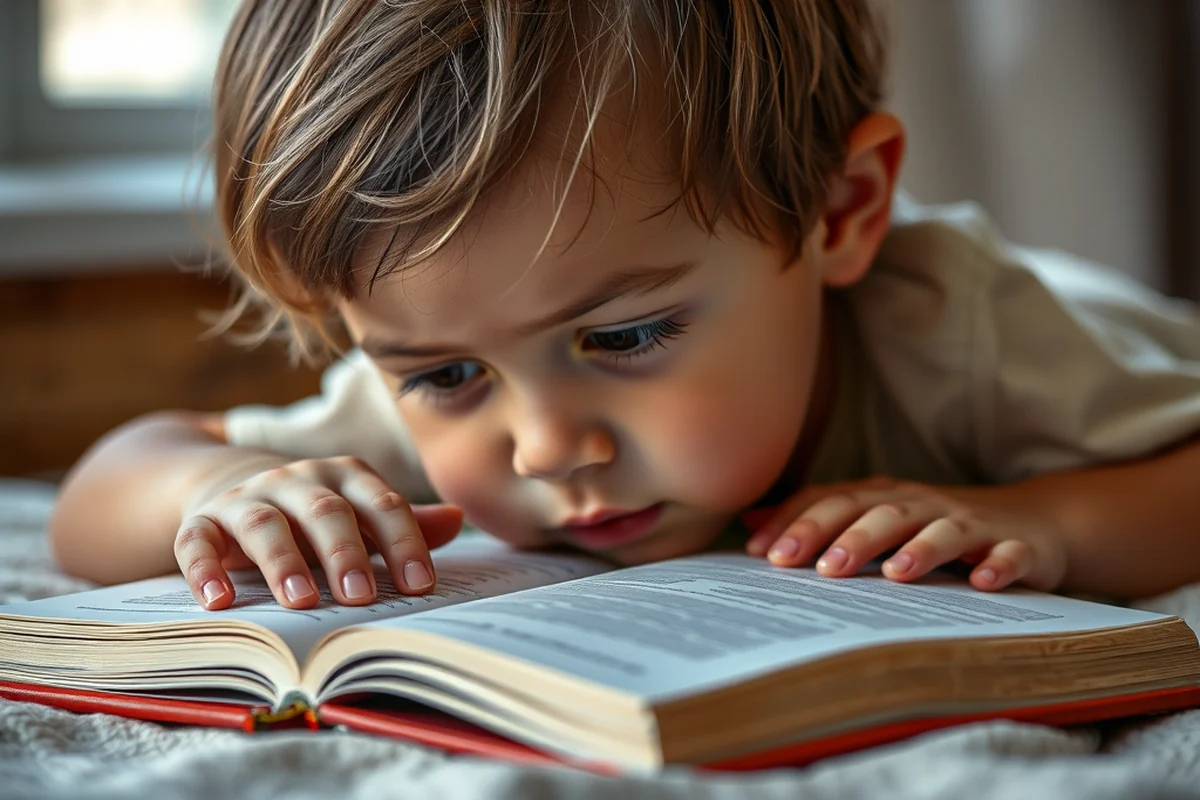
When looking for the best classic books, I always start by checking the material. Books with thick, sturdy pages and reinforced corners are a must — toddlers are curious and often end up with their books in messy situations. Look for books with bright, engaging illustrations that hold your child’s attention.
I also pay close attention to the content. I like books that are simple but not too simplistic, with clear messages and moral lessons that are easy for a toddler to understand. ‘Goodnight Moon’ was one of the first books I picked up, and it became a favorite because of its soft, calming tone and familiar illustrations.
Finally, I look for books that match my child’s interests. If she loves animals, I’ll choose books that feature them. If she’s into music, I’ll pick books that tell stories through rhythm and rhyme. This personalization makes the experience more meaningful and engaging for her.
Choose books that match your child’s interests — the more engaged they are, the more they’ll want to read.
Related: Adventures in odyssey
The Benefits of Reading Classic Books with Toddlers
There is a reason why parents have been reading classic books to their children for generations. These books help develop language skills, improve focus, and encourage emotional intelligence. When I read ‘Where the Wild Things Are’ to my daughter, she started to understand the concept of emotions in a way that was both fun and educational.
I also noticed that reading classic books together helped us bond. We would laugh at the silly parts, get excited about the illustrations, and even reenact scenes in our home. It became a time for us to connect and share in something magical.
Classic books also teach children about the world in a way that’s both engaging and educational. They introduce them to different cultures, settings, and characters, all while keeping the language simple and accessible.
Ask your child questions about the story, the characters, and what they think will happen next. This helps improve comprehension and critical thinking.
“When my daughter turned two, I realized that the books I had read to her as an infant were no longer holding her attention.”— Choosing a Toddler Bookshelf editors
Related: What is classic literature books
How to Introduce Classic Books to a Toddler
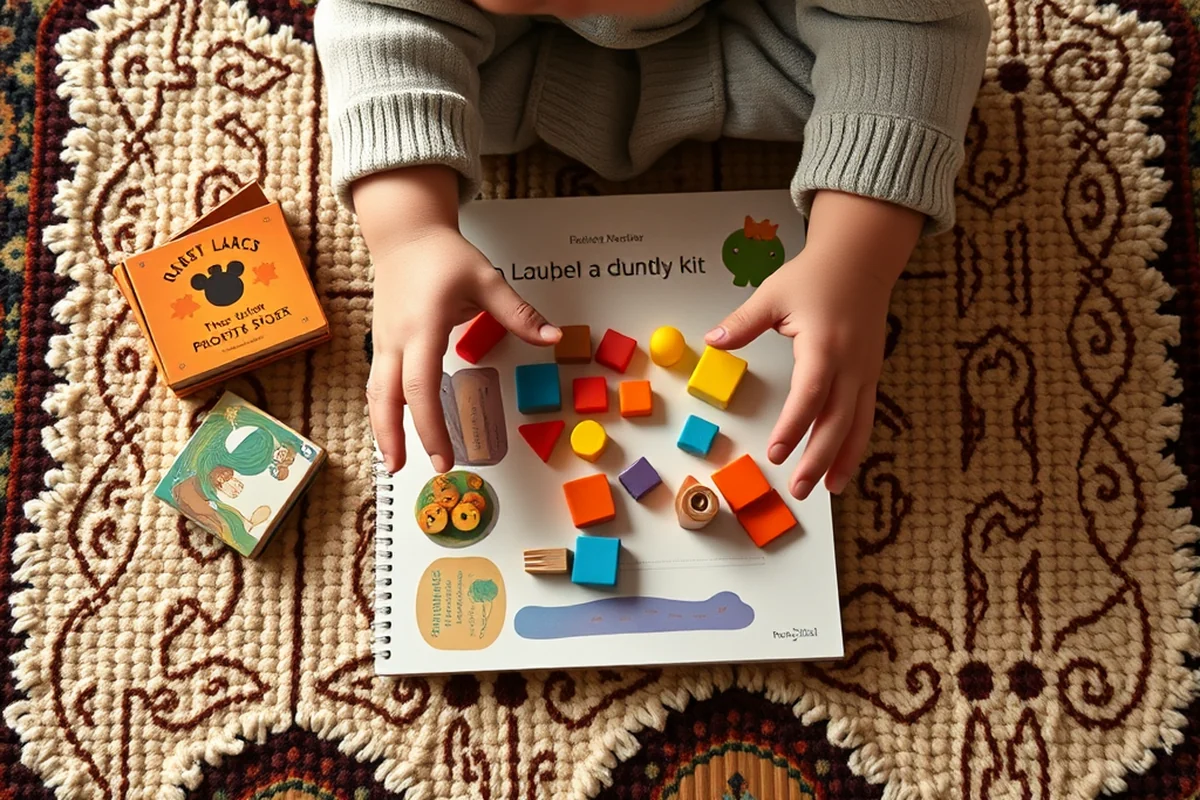
I found that the best way to introduce classic books to a toddler is to make reading a positive and exciting experience. I would sit on the floor with my daughter, hold her hand, and let her turn the pages. This helped her feel involved and made the experience more personal.
I also like to read the books out loud, using different voices for the characters and adding gestures to the story. This not only makes the book more engaging, but it also helps the child understand the narrative in a more dynamic way.
Another tip I’ve found useful is to read the same book multiple times. Toddlers love repetition, and it helps them become more familiar with the story, the language, and the characters. It also gives them a sense of security and comfort.
Related: How to make and book
The Role of Parental Involvement in Reading Classic Books
I’ve learned that the way I read to my daughter has a significant impact on how she perceives books and learning. When I read with enthusiasm and energy, she becomes more engaged and curious. When I read with patience and care, she learns to take her time and absorb the story at her own pace.
I also make sure to talk to her about the book. I ask her questions, point out the illustrations, and encourage her to make predictions about what will happen next. This helps her develop critical thinking and comprehension skills.
Most importantly, I make reading a time of connection. We laugh together, we cry together, and we share in the magic of the story. This helps build a lasting bond that extends far beyond the pages of the book.
Related: The odyssey by homer
How to Keep Classic Books Engaging for Toddlers
I’ve found that adding props, costumes, or even simple toys to the story helps make the experience more interactive and fun. For example, when we read ‘The Tale of Peter Rabbit,’ I would dress up as Peter Rabbit and let my daughter play the role of the mother. This turned a simple reading session into a game of pretend that she loved.
Another way to keep classic books engaging is to let the child take the lead. Sometimes, I’ll let her choose the next page or decide what the character should do next. This gives her a sense of control and helps her develop a love for storytelling.
I also like to read the same book in different ways. One day, I might read it with a focus on the illustrations. Another day, I might read it with a focus on the language or the moral of the story. This keeps the experience fresh and interesting.
Let your child take the lead — it keeps the story engaging and helps them develop a love for reading.
Related: What is zoho books about
How Classic Books Help With Emotional Development
I’ve noticed that reading classic books with my daughter has helped her understand and express her emotions more effectively. Books like ‘The Giving Tree’ and ‘The Tale of Peter Rabbit’ introduce her to complex feelings in a way that’s both gentle and educational.
When we read about characters who are sad, angry, or happy, she starts to recognize those emotions in herself and others. This helps her become more aware of her own feelings and the feelings of those around her.
I also love how classic books help teach children about the importance of kindness, forgiveness, and empathy. These are lessons that I believe are essential for building a strong moral foundation and helping children handle the world around them.
📚 Gentle Approach
A slow, intentional way of introducing classic books that focuses on emotional engagement and bonding.
⏳ Fast-Track Approach
A quick and efficient way to introduce classic books that focuses on repetition and familiarity.
✈️ Travel/away-from-home Approach
A portable and easy-to-carry selection of classic books that can be used during trips or on the go.
👶 Multiples Approach
A strategy for reading classic books to multiple children at once, making it a shared family experience.
🔄 Regression Reset Approach
A method for re-introducing classic books to a child who has lost interest, helping them rediscover the joy of reading.
| The mistake | Why it happens | The fix |
|---|---|---|
| Choosing books that are too complex for a toddler. | Books that are too complex can be overwhelming for a toddler and may lead to frustration or a lack of engagement. | Choose books with simple language, clear illustrations, and a short narrative that is easy for a toddler to follow. |
| Not making reading a consistent part of the day. | Inconsistent reading habits can make it harder for a child to develop a love for reading and can lead to a lack of progress in language skills. | Make reading a daily routine, even if it’s just for a few minutes. This helps build consistency and makes reading a part of your child’s daily life. |
| Not allowing the child to take an active role in the reading process. | When a child is not allowed to take an active role, they may become disengaged or lose interest in the story. | Let your child choose the book, ask questions about the story, and encourage them to take part in the reading process in their own way. |
| Using electronic devices as a substitute for reading classic books. | Electronic devices can be a distraction and may reduce the amount of time spent reading classic books, which are essential for developing language skills and emotional intelligence. | Limit screen time and encourage reading as a primary form of entertainment and learning. Make it a fun and engaging experience. |
| Reading the same book over and over without variation. | While repetition is important, reading the same book in the same way every time can make the experience feel monotonous and less engaging for a child. | Vary the way you read the book by using different voices, adding props, or changing the setting. This keeps the experience fresh and interesting. |
Best Classic Books
Common Questions
How do I choose the right classic book for my toddler?
What if my toddler doesn’t like reading classic books?
Can classic books be used for children with special needs?
How often should I read classic books to my toddler?
References
- A comparative study of original classic literature and its modernized ... (academia.edu)
- Children's Classics Book List Children's Classics Book List (americanfork.gov)
- 10 Classic Literature Must-Reads for College Students | EFSC Blog (blog.easternflorida.edu)
- Year Of Classics - St. John's College Bookstore (bookstore.sjc.edu)
Cite this guide
Choosing a Toddler Bookshelf (2026). Best Classic Books. https://bookwiden.com/best-classic-books/
Feel free to cite or share this guide.
Toddler Bookshelf Sizer
Sizes a toddler bookshelf by book count, display style and child reach.
Open it free →