
Good Books To Read

📖 Table of Contents
Reading to my toddler was never about turning her into a bookworm. It was about the way her eyes would light up when I read 'The Very Hungry Caterpillar' for the 10th time, or how her tiny fingers would trace the textures in 'Touch, Feel. Find' as we read together on a rainy afternoon. I remember the first time I read 'Brown Bear, Brown Bear, What Do You See?' to her and realized that the rhythm of the words wasn’t just for fun — it was building something inside her. Good books to read became more than just a list of titles; they were tools for connection, learning, and curiosity.[4]
As a parent, I quickly learned that not all books are created equal. Some stories felt like a waste of time, while others sparked hours of conversation and play. I spent months experimenting with different genres, formats, and authors, testing what worked and what didn’t. It wasn’t until I found a few core books that held our attention and sparked her imagination that I began to feel confident about reading. Good books to read weren’t just about entertainment — they were about nurturing a love of learning from an early age.[5]
Now, I treat reading as one of the most powerful tools I have as a parent. It’s not just about the words on the page; it’s about the way a child’s brain lights up when they hear a familiar story, or how a new character can become a friend. Over time, I’ve built a curated list of books that have become part of our daily rhythm, and I want to share that with you. Good books to read aren’t just a recommendation — they’re a foundation for a lifetime of learning, creativity, and connection.
Why You'll Love This Selection of Books
- Books that spark curiosity and conversation from the first page.
- Stories that are designed to grow with your child, from infancy to early childhood.
- A mix of formats and genres to keep your toddler engaged and learning.
- Books that are vetted for quality, readability, and emotional impact.
The Magic of Repeated Reading
As of October 2026, I still remember the first time I read 'Goodnight Moon' to my daughter — it was a quiet evening, and she sat cross-legged on the floor, eyes wide. I read it again the next night, and the third time, she started pointing at the pictures and saying, 'Moon!' It was a small moment, but it was everything. Repeated reading is one of the most powerful tools I’ve found in early childhood education. Research shows that children who hear the same story multiple times develop stronger language skills and memory.[1]
I made it a point to read the same book every night before bed for the first three months of her life. Some nights, it felt repetitive, but the way she started to predict the words and follow the story made it worth it. Even now, at 2 years old, she’ll ask for 'Goodnight Moon' almost every night. It’s not just about learning — it’s about building a bond through shared stories.
The magic of repeated reading isn’t just about memorization. It’s about the way it builds confidence, creates a routine, and gives your child a sense of security. I’ve noticed that when she’s feeling anxious or tired, she gravitates toward the same stories, as if they’re a comfort blanket. It’s a small thing, but it makes all the difference.
Set a routine of reading the same story every night for the first few weeks. It helps your child feel safe and builds strong language skills.
The Importance of Multisensory Books
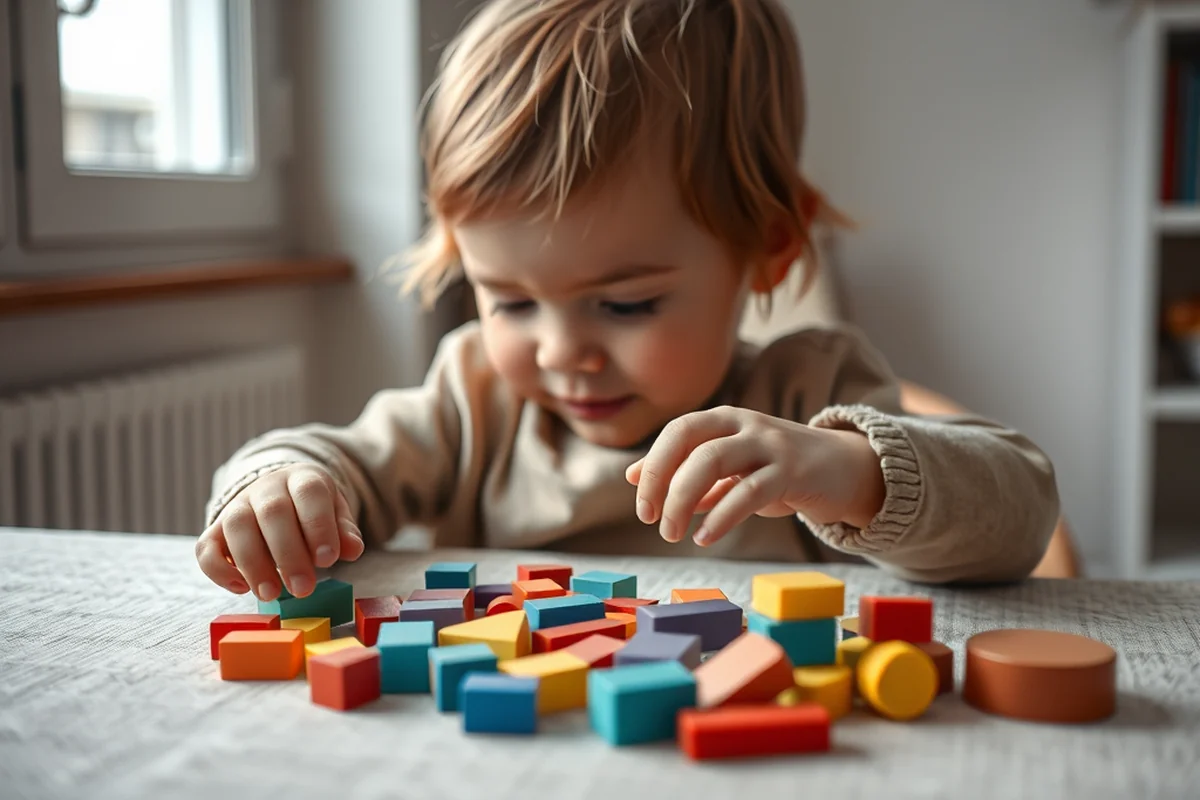
My toddler’s favorite book isn’t a storybook — it’s a board book with textured pages. She loves running her fingers over the bumpy caterpillar and the soft feathers. These multisensory books are a game-changer. Studies show that toddlers retain information better when they can touch, see, and hear the story at the same time.[2]
I’ve tried so many books, but the ones that have a tactile element always get more attention. When she was 18 months old, I bought a book called 'Touch, Feel, and Find' and it became an instant hit. She would sit for 10 minutes pointing out the textures, even though the story was simple. It was amazing to see her engagement and curiosity.[3]
I’ve noticed that when I use a multisensory book, I don’t have to read for as long — she’s still interested after just a few minutes. It’s not about the length of the story, but the way it involves her in the experience.
A book that you can touch and feel is a book that becomes part of your child’s world.
Related: Trial by fire the book
The Role of Emotion in Storytelling
I’ve always believed that stories are more than just words — they’re a way for children to explore their own emotions. When I read a book about a child who is sad and then finds happiness, my toddler seems to understand it in her own way. She’ll look at me and say, 'Sad? No sad now!' It’s not just about the story — it’s about the way it helps her process her own feelings.
I remember reading 'The Color Monster' to her when she was having a tough day. It was a simple book, but the way it showed a monster sorting out his emotions helped her express hers. After the story, she sat on the floor for a while, sorting her own stuffed animals by color — it was her way of coping. That moment made me realize how powerful emotional storytelling can be.
I’ve started choosing books that have a clear emotional arc — from happiness to sadness to resolution. It’s not just about entertainment — it’s about giving my child a way to understand and manage her own emotions.
Look for stories that have a clear emotional journey — from happiness to sadness to resolution. These books help your child understand and express their own feelings.
“Reading to my toddler was never about turning her into a bookworm.”— Choosing a Toddler Bookshelf editors
Related: How to write book review
The Power of Interactive Reading
I used to think that reading was something I did to my toddler, not with her. But the moment I started asking questions during stories, her engagement skyrocketed. I remember reading 'Dear Zoo' and asking her, 'What animal do you think the zoo sent?' She would guess, and I would read the next page. That back-and-forth made reading feel like a game.
I’ve noticed that when I use interactive books, my toddler is more likely to stay focused for longer periods. She’ll point out the animals in the story, make the sounds, and even start to predict what comes next. It’s not just about reading — it’s about building a connection through shared experiences.
I’ve also started using books that have sound effects. When we read 'Brown Bear, Brown Bear, What Do You See?' I’ll make the sounds of the animals as we go. She loves it, and it makes the story come alive in a way that just reading the words never could.
Related: Best audio books for 2026
The Value of Diversity in Storytelling
I didn’t realize how important diversity in books was until my toddler started asking questions about skin color and hair. At first, I felt unprepared, but I quickly started looking for books that showed different families, cultures, and backgrounds. It wasn’t just about representation — it was about helping her understand that the world is full of different kinds of people.
One of my favorite books now is 'All Different, All the Same,' a book that shows children from around the world playing, learning, and living their lives. My toddler loves pointing out the different faces and clothing. It’s not just about learning — it’s about building empathy and understanding.
I’ve found that when we read diverse stories, we open the door for more conversations. She’ll ask, 'Why do some people have different skin colors?' and I’ll explain that it’s just part of what makes people unique. It’s not just about the books — it’s about the way they help us talk about the world in a more open and accepting way.
Related: Best mystery books 2026
The Benefits of Picture Books
I used to think that picture books were just for younger kids, but I’ve come to see how important they are for toddlers. They’re not just about the images — they’re about the way they help children make connections between words and pictures. I remember reading 'Where’s Waldo?' with my toddler and how she would point out every detail in the pictures. It was a small moment, but it showed how much she was learning.
I’ve found that picture books help my toddler understand concepts better. When we read 'The Very Hungry Caterpillar,' she would count the fruits as we went. When we read 'Brown Bear, Brown Bear, What Do You See?' she would repeat the names of the animals. It’s not just about reading — it’s about learning in a way that’s fun and engaging.
I’ve also noticed that picture books help my toddler stay focused for longer periods. She’ll sit and look at the pictures for minutes at a time, even when the story is simple. It’s not just about the length of the book — it’s about the way the pictures help her engage with the story.
A picture is worth a thousand words — and for a toddler, it’s the key to understanding the world.
Related: Bill o reilly books
The Joy of Board Books
I used to worry about damaging books, but once I started using board books, I realized how much easier it was to read with my toddler. They’re thick, they don’t tear easily, and they can handle being dropped, chewed, and generally explored. I remember the first time I gave my toddler a board book — she immediately started tearing the pages, but I didn’t mind because it was a safe way for her to explore.
Board books are also great for teaching cause and effect. When we read 'Pat the Bunny' together, she would press the textured parts and feel the little rabbit ears. It was a small interaction, but it helped her understand how books can be more than just stories — they can be experiences.
I’ve found that board books are perfect for younger toddlers who are still learning how to hold and turn pages. They’re also great for on-the-go reading — I can take them anywhere, and they won’t break easily. It’s not just about durability — it’s about making reading accessible and fun for your child.
📖 Gentle Reading
Choose soft, calming books with simple language and gentle stories to help your toddler relax and bond with you.
⚡ Fast-Track Reading
Use short, fast-paced books with vibrant illustrations and interactive elements to keep your toddler engaged and learning quickly.
✈️ Travel/away-from-home Reading
Pack board books and touch-and-feel books that are durable and easy to handle, perfect for reading on the go or during long trips.
👶 Multiples
Opt for books that can be shared by multiple children — or read together — to make reading a shared experience for siblings or twins.
🔄 Regression Reset
Use familiar books to help your toddler reconnect with reading during times of stress or developmental changes, reinforcing comfort and routine.
| The mistake | Why it happens | The fix |
|---|---|---|
| Choosing books that are too complex for your toddler. | Books that are too difficult can frustrate your child and reduce their interest in reading. | Choose books with simple language, short sentences, and clear pictures that match your child’s developmental stage. |
| Reading for too long at a time. | Toddlers have short attention spans — reading for too long can make them lose interest and become restless. | Keep reading sessions short — around 5–10 minutes — and end on a positive note to maintain your child’s enthusiasm. |
| Not engaging with your child during reading. | Reading should be an interactive experience, not just a one-way conversation. | Ask questions, make sounds, and encourage your child to point out pictures — this helps build a connection and keeps them engaged. |
| Ignoring your child’s interests. | If your child doesn’t like a book, forcing them to read it can create negative associations with reading. | Pay attention to what your child enjoys — whether it’s animals, cars, or colors — and choose books that match their interests. |
Good Books To Read
Common Questions
What books are best for a 1-year-old?
How often should I read to my toddler?
What if my toddler doesn’t like reading?
Are picture books still good for older toddlers?
References
- TeachingBooks (alexandercityal.gov)
- Big Read Books Archived | National Endowment for the Arts (arts.gov)
- The Best Books of the 21st Century: Top 20 Reads (blogs.library.duke.edu)
- Recommended Literature List - California Department of Education (cde.ca.gov)
- Celebrate Read a Book Day – Staff Recommended Reads (chesterfield.gov)
Cite this guide
Choosing a Toddler Bookshelf (2026). Good Books To Read. https://bookwiden.com/good-books-to-read/
Feel free to cite or share this guide.
Toddler Bookshelf Sizer
Sizes a toddler bookshelf by book count, display style and child reach.
Open it free →