
Top Books To Read

📖 Table of Contents
- Choosing the Right Books for Your Toddler
- The Power of Reading Aloud
- Building a Toddler Bookshelf That Works for You
- Making Reading a Family Affair
- Books That Help with Emotional Development
- The Role of Picture Books in Early Learning
- Creating a Reading Routine That Works for You
- Make It Your Way
- Frequently Asked Questions
I'll never forget the first time my daughter grabbed a book and refused to let go. It was a rainy afternoon, and we were both stuck inside. I had no idea what to do, so I pulled a stack of picture books off the shelf — and that’s when it happened. Her tiny fingers curled around the edges of 'Where’s Wally?' and she looked up at me with this intense, focused gaze. It was the first time I saw her really engage with something for more than 30 seconds. From that day on, I started building a bookshelf that would help her grow, not just entertain her.[1]
The 'top books to read' for toddlers is a question I hear all the time, and honestly, it's one of the hardest things to answer. There's so much out there — books that promise developmental leaps, others that are just cute and colorful, and some that are outright confusing. I’ve tried a lot, and I’ve failed a lot, but I’ve also found a few that have become staples in my home. The ones that stick around aren’t just the ones my daughter loves; they’re the ones that help her learn, explore and feel safe.[2]
Over the past few years, I've curated a small but mighty bookshelf. The books are chosen not just for their stories, but for how they fit into the rhythm of our days. Some are read in the morning, some at bedtime, and a few are just kept on hand for when she needs a little comfort. The 'top books to read' for toddlers is less about a list and more about finding the right match — the kind that makes reading feel like a shared adventure, not a chore.
Why You'll Love This Bookshelf
- Encourages language development and curiosity through engaging stories
- Provides comfort and a sense of security through familiar characters and routines
- Supports early literacy and a lifelong love of reading
- Helps build emotional intelligence by exploring feelings and situations
Choosing the Right Books for Your Toddler
As of October 2026, I learned the hard way that not every book is a hit. Some are too complex, others too simple. I now look for books with simple, repetitive language, bright colors, and interactive elements. My daughter loves books with flaps, textures, or that have a story she can act out. It’s important to match the book to the toddler’s developmental phase — they need to feel successful when reading, not frustrated.
Books that include a variety of characters and settings help toddlers expand their world view. I’ve noticed that books with diverse characters help my daughter be more curious and empathetic. I also avoid books that are too long or too abstract. Short, simple stories with clear outcomes are best for this age group.
The key is to let your toddler choose what they want to read. Even if it’s the same book over and over, it’s better than nothing. I’ve seen my daughter’s confidence grow when she’s in control of what she reads, and it’s become a bonding ritual that we both look forward to.
Give your toddler a small selection of books to choose from. It helps them feel in control and builds a sense of ownership over their reading experience.
The Power of Reading Aloud
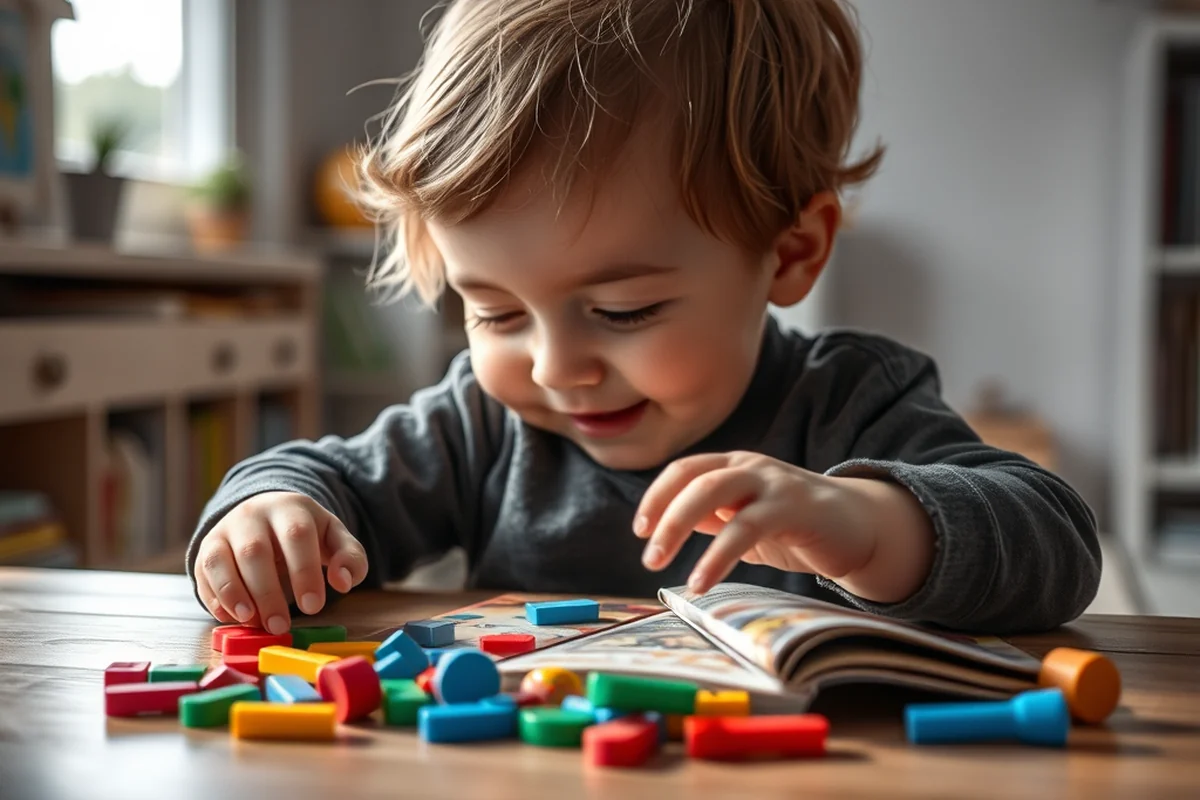
I started reading to my daughter from the time she was 6 months old. Even then, she would stare at the pictures and listen to the rhythm of my voice. As she grew, I noticed that reading aloud became a way for us to connect, even on the busiest days. It’s not about the number of books we read, but the consistency of the practice.
Studies have shown that children who are read to regularly develop better language skills and have stronger cognitive abilities. The more exposure they have to language, the more words they learn. I’ve seen a huge difference in my daughter’s vocabulary since we started reading every day. Her teachers have even noticed how much she’s ahead of her peers in that area.[3]
Reading aloud also helps your child develop a love for stories. I now have a ritual of reading before bedtime, and it’s something we both look forward to. Even on days when I’m exhausted, I know that this small act of connection is making a big difference in her life.
Reading aloud is the heartbeat of early childhood learning.
Related: Old testament books
Building a Toddler Bookshelf That Works for You
I’ve tried different setups — some with books stacked on the floor, others with a dedicated shelf in her room. The one that works best is a low shelf in a quiet corner of the living room. It’s within her reach and in a place where we can both sit and read without distractions. It’s also important to rotate the books every few weeks to keep things fresh.
I’ve noticed that when I keep the same books out all the time, my daughter gets bored with them. Rotating the books helps maintain her interest and gives her a chance to explore new stories. I’ve started grouping books by theme — like animals, emotions, and daily routines — so she can pick books that match what she’s interested in that week.
A good bookshelf doesn’t have to be expensive. I’ve built mine using secondhand books and a few inexpensive shelves I found at a local store. It’s not about the cost, but about finding a setup that works for your family and your child.
Keeping a mix of new and familiar books on your toddler’s bookshelf can help maintain their interest and encourage exploration.
“I'll never forget the first time my daughter grabbed a book and refused to let go.”— Choosing a Toddler Bookshelf editors
Related: Diary of the wimpy kid books
Making Reading a Family Affair
I’ve found that when other family members read to my daughter, it makes the experience even more special. My husband and I take turns reading, and sometimes my parents join in. It helps my daughter see that reading is something everyone can do, and it also gives me a chance to take a break when I need to.
When the whole family reads together, it becomes a shared activity rather than something I have to do alone. I’ve noticed that my daughter is more engaged when we’re all reading together. She loves when we read the same book at different times of the day and then discuss it later.
I also like to involve my daughter in the reading process. I’ll ask her to point to the pictures, say the words with me, or even let her be the one to turn the page. It makes her feel involved and gives her a sense of control over the story.
Related: Better world books
Books That Help with Emotional Development
Emotional intelligence is just as important as cognitive skills, and I’ve found that books that help my daughter understand her feelings have made a huge difference in her behavior. Books like 'The Color Monster' and 'The Feelings Book' help her recognize and name her emotions, and I’ve seen a marked decrease in tantrums since we started using them.
I’ve also found that books that explore different situations — like going to the doctor or starting preschool — help my daughter feel more prepared for new experiences. These books give her a chance to see what’s going to happen and how she can cope with it.
It’s important to choose books that are honest about emotions, without being too negative. I look for books that show the full range of feelings — from happiness to sadness — and how to manage them in a healthy way. These books are not just for teaching, but for comforting and connecting.
Related: Scholastic book fair
The Role of Picture Books in Early Learning
I’ve noticed that picture books help my daughter understand the story even if she doesn’t know all the words. The pictures provide context and help her make connections between the words and the images. I’ve seen her point to the pictures and say the words before she even knows them, which is a huge milestone in language development.
Books with simple, clear pictures are best for this age group. I avoid books with too many words or too much detail, as they can be overwhelming. I prefer books that have a clear narrative and a lot of visual interest. These books help my daughter stay engaged and learn without feeling overwhelmed.
I’ve also noticed that books with different textures or flaps help keep my daughter’s attention for longer. These interactive elements make reading feel like a game, and they keep her engaged even when she’s not in the mood to sit still.
Picture books are the foundation of a toddler's early learning journey.
Related: Color pages for kids
Creating a Reading Routine That Works for You
I’ve tried different times of day for reading, and I’ve found that the best time for my daughter is just before bedtime. It helps her wind down and gives us both a chance to relax. I’ve also noticed that reading in the morning helps her get into the day with a positive mindset.
I’ve started a routine where we read for 10 minutes every morning and 15 minutes every night. It’s not a lot, but it’s enough to make a difference. I’ve noticed that my daughter is more settled and focused when we follow this routine.[4]
I also make sure that reading is a special time — no screens, no distractions, just us and the book. I’ve found that when I set aside time for reading, my daughter treats it like a ritual and looks forward to it every day.
🍃 Gentle Approach
For parents who want a slow, low-pressure way to introduce books, this approach focuses on creating a calm and comfortable reading environment.
⚡ Fast-Track Method
Ideal for busy parents who want to quickly build a library that works for their toddler’s developmental stage without the stress of choosing.
✈️ Travel/On-the-Go Books
For parents who are always on the move, this approach highlights books that are portable, durable and perfect for short reading sessions anywhere.
👶 Books for Multiples
This approach suggests books that are interactive and engaging for multiple children, making it easier to read to more than one toddler at a time.
🔄 Regression Reset
This method focuses on rebuilding a toddler's reading routine after a period of disengagement or loss of interest.
| The mistake | Why it happens | The fix |
|---|---|---|
| Choosing books that are too complex for the toddler’s developmental stage. | Books that are too advanced can frustrate the child and discourage them from reading. | Choose books with simple language, clear pictures, and interactive elements that match the toddler’s interests and abilities. |
| Forcing the toddler to read when they’re not interested. | This can create a negative association with reading and make the child avoid it altogether. | Let the toddler choose what they want to read and make reading a fun and engaging activity rather than a chore. |
| Not rotating the books on the shelf. | Keeping the same books out all the time can lead to boredom and a lack of interest in reading. | Rotate the books every few weeks to keep things fresh and maintain the toddler’s interest. |
| Using books as a distraction during difficult moments. | This can create a habit of only reading when things are hard, which may not be the best approach for long-term reading development. | Use books as a bonding tool during calm moments and avoid using them as a way to distract or soothe during difficult times. |
Top Books To Read
Common Questions
How do I know if a book is appropriate for my toddler?
Can I use the same books every day?
What should I do if my toddler doesn’t like reading?
How many books should I have on my toddler’s bookshelf?
References
- Top 10 Best Tips to Help You Remember More of What You Read (calcoast.edu)
- A Time of Hope and Worry: Unpacking the 2022 NEA Survey ... (arts.gov)
- Young People and Reading - ERIC (files.eric.ed.gov)
- Supporting Math Skills in Infants and Toddlers | HeadStart.gov (headstart.gov)
Cite this guide
Choosing a Toddler Bookshelf (2026). Top Books To Read. https://bookwiden.com/top-books-to-read/
Feel free to cite or share this guide.
Toddler Bookshelf Sizer
Sizes a toddler bookshelf by book count, display style and child reach.
Open it free →