
What Is A Coffee Table Book

📖 Table of Contents
- What Exactly Is a Coffee Table Book?
- Why Coffee Table Books Work for Toddlers
- How to Choose the Right Coffee Table Book
- How to Use Coffee Table Books with Toddlers
- The Benefits of Using Coffee Table Books
- Incorporating Coffee Table Books Into Your Home
- The Long-Term Impact of Using Coffee Table Books
- Make It Your Way
- Frequently Asked Questions
When I first heard the term 'coffee table book,' I assumed it was some kind of parenting guide that would help me handle the chaos of raising toddlers. I was wrong. But I did learn something important: a coffee table book isn’t just a decorative item. It’s a way to bring visual storytelling into your home, a tool to spark conversations. A subtle way to introduce your child to the beauty of the world — all while keeping your living room looking put-together. My toddler, who once asked me what the big, heavy books on the coffee table were for, now points to them with pride, saying, 'That’s where the pictures live.'[1]
I remember the first time I picked up a coffee table book. It wasn’t a parenting manual, nor was it about baby food or sleep training. It was a collection of photographs from a travel journal, and I was instantly hooked. The photos captured the kind of detail I never thought I’d want to see — the texture of a desert sand dune, the way sunlight filtered through a rainforest canopy. The pictures made me want to learn more, to ask questions, and to explore. I didn’t realize it then, but I was beginning to understand the power of a well-chosen coffee table book.[2]
Now, I keep a few of these books on our coffee table, and I can see the way they’ve started to influence our home environment. My toddler loves to flip through them, pointing out her favorite images — a bright blue sky, a flower with big, pink petals, a cat with fur that looks like it’s made of cotton candy. These books are more than just decoration; they’re a way to bring wonder into our daily lives. And I think that’s why so many parents are beginning to see the value of a coffee table book in their own homes.[3]
Why You'll Love This Article
- Learn how to choose and use coffee table books in a way that benefits your child’s development.
- Discover the subtle but powerful impact coffee table books can have on a child’s curiosity and imagination.
- Get tips on selecting books that are both visually appealing and educational.
- Understand how to integrate coffee table books into your daily routine and home decor.
What Exactly Is a Coffee Table Book?
As of October 2026, a coffee table book is not a textbook, nor is it meant for in-depth reading. Instead, it’s a book that invites the viewer to linger over its images, to pause and appreciate the details. These books are often large, with high-quality paper and vibrant colors that make them stand out on any surface. I remember the first time I saw one in a bookstore — it was a collection of nature photography, and the pictures were so detailed that I could almost feel the texture of the leaves.[4]
Many coffee table books are themed, ranging from travel and art to fashion and technology. They can be about anything — from the history of a city to the lives of famous people. The key feature is that they’re visually driven, with minimal text. This makes them perfect for families with young children who may not be able to read yet but can still enjoy looking at the pictures.[5]
I now keep a few coffee table books on our coffee table, and I can see the way my toddler has started to interact with them. She points at the pictures, asks questions, and sometimes even tries to describe what she sees. It’s amazing to watch her curiosity grow through something as simple as a beautifully designed book.
Look for coffee table books with large, clear images that are easy for your toddler to recognize and point out. Avoid books that are too cluttered or complex, as they may overwhelm a young child.
Part of our Toddler bookshelf guide.
Why Coffee Table Books Work for Toddlers

Toddlers are naturally curious, and they love to explore their environment. Coffee table books provide a perfect medium for this kind of exploration. Unlike traditional books, which may require reading or understanding complex concepts, coffee table books are all about visual stimulation. The large, colorful pictures capture a toddler’s attention, and the simple layout makes them easy to navigate.
I’ve noticed that my toddler enjoys flipping through the pages of these books, pointing at the images, and making sounds as if she’s describing what she sees. It’s a form of early learning that doesn’t feel like learning — it’s just play. This kind of engagement helps her develop her vocabulary, her visual recognition skills, and her ability to focus.
One of my favorite things about coffee table books is that they’re easy to use. You don’t need to sit down with your toddler for long stretches of time to make them work. A few minutes here and there — pointing out a picture, asking a question, or just letting her explore — can make a big difference in her development.
Coffee table books are like treasure maps for toddlers — they invite exploration without the need for words.
Related: Book rental cars
How to Choose the Right Coffee Table Book
When I first started buying coffee table books for our home, I made the mistake of buying a few that were too complex for my toddler. The pictures were too detailed, the text was too small, and the books were too heavy for her to handle. It didn’t take long for me to realize that I needed to be more selective.
Now, I look for books that have large, clear images, simple layouts, and sturdy pages that can withstand the rough handling of a toddler. I also try to choose books that are thematically appropriate — for example, books about animals, nature, or everyday life. These types of books tend to be more engaging for young children and are easier for them to relate to.
I’ve found that books with a variety of images — landscapes, animals, people, and objects — are particularly effective. They allow my toddler to explore different subjects and help her build a foundation for future learning. These books are also a great way to introduce her to new concepts in a fun and interactive way.
Choose coffee table books made from thick, durable paper that can withstand the occasional rough handling. Look for books with rounded corners and no sharp edges to keep your toddler safe.
“When I first heard the term 'coffee table book,' I assumed it was some kind of parenting guide that would help me navigate the chaos…”— Choosing a Toddler Bookshelf editors
Related: High school backpacks
How to Use Coffee Table Books with Toddlers
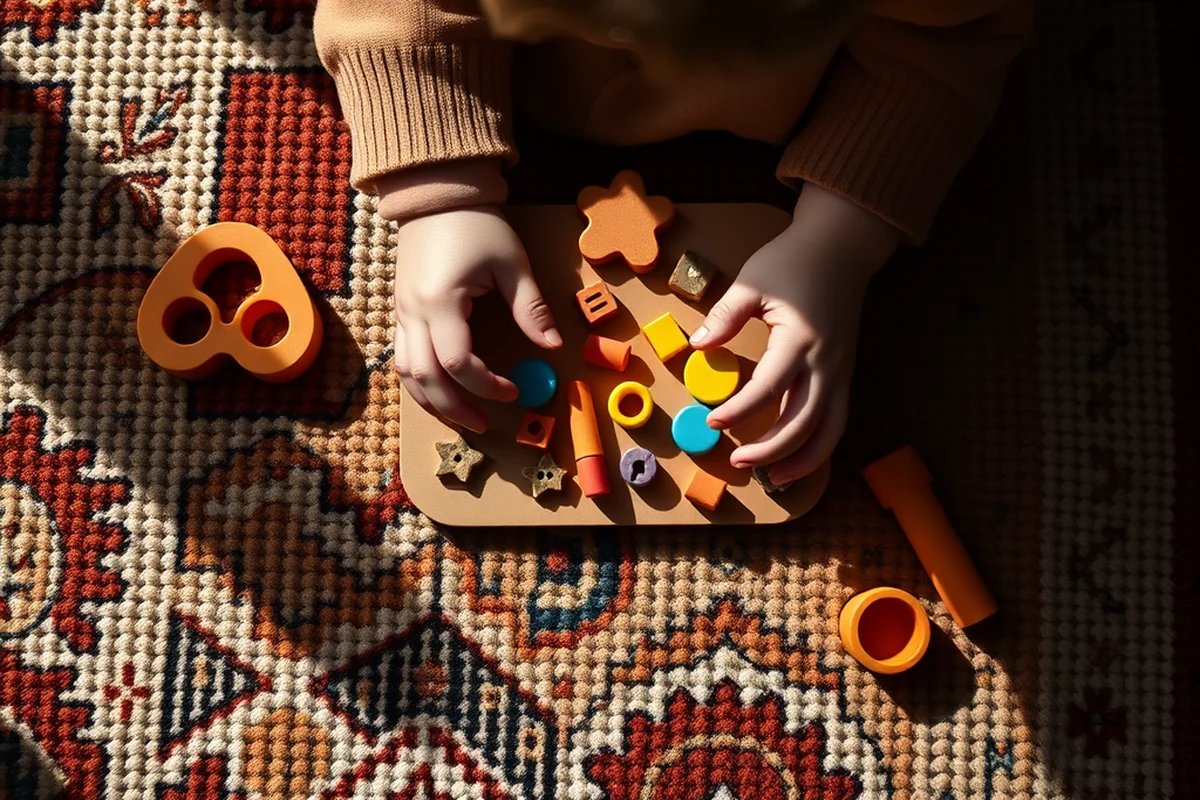
I’ve discovered that coffee table books can be a great way to engage my toddler in storytelling. I’ll point out a picture and ask her what she sees. Then I’ll make up a short story about it. This helps her develop her language skills and encourages her to think creatively.
Another way I use these books is as a tool for conversation. I’ll ask her questions about the pictures, and then I’ll share my own thoughts. This helps her learn how to express herself and understand different perspectives. It’s amazing to see how quickly she’s starting to use more complex words and phrases when we talk about the pictures in these books.
I also like to use coffee table books as a way to introduce new concepts. For example, when we’re looking at a book about the ocean, I’ll talk about the different types of fish and the way the water looks. This kind of interaction helps my toddler learn about the world around her in a fun and engaging way.
Related: Bookkeeping software for a small business
The Benefits of Using Coffee Table Books
One of the most noticeable benefits I’ve seen is the improvement in my toddler’s language skills. She’s started using more complex words and is able to describe things more clearly. I think this is because the pictures in the books help her associate words with images, making it easier for her to learn and remember new vocabulary.
Another benefit is the way coffee table books have helped her develop her visual recognition skills. She’s able to identify different animals, shapes, and colors more quickly, and she seems more confident in her ability to recognize patterns and details.
Perhaps the most important benefit is the way these books have sparked her curiosity. She’s started asking more questions, and she’s more interested in exploring her environment. I think this is because the books have shown her that the world is full of interesting things to discover.
Related: Choice kids edgware
Incorporating Coffee Table Books Into Your Home
I’ve found that placing coffee table books on the coffee table is the most effective way to use them. This makes them easily accessible and encourages my toddler to interact with them. I also like to change the books out regularly so that there’s always something new to look at and explore.
Another thing I’ve noticed is that coffee table books work best when they’re placed in areas where my toddler spends a lot of time. That means the living room, the playroom, and even the kitchen. I’ve even started keeping a small stack of books in the hallway, where we pass by several times a day. This has helped increase the amount of time my toddler spends interacting with the books.
I’ve also found that it’s helpful to involve my toddler in the selection process. I’ll let her choose which books we’re going to keep on the coffee table. This not only gives her a sense of ownership over the books but also helps her feel more connected to the content.
Coffee table books are like little windows to the world — they bring the outside in and make learning a part of everyday life.
Related: Kids bookcase for small spaces
The Long-Term Impact of Using Coffee Table Books
I’ve noticed that my toddler has started showing an interest in books in general, and she’s even started asking to read books on her own. I think this is because the coffee table books have made reading more enjoyable and accessible for her. She no longer sees books as a chore — she sees them as a way to explore and learn.
Another long-term benefit I’ve noticed is the way these books have helped my toddler develop a sense of curiosity and wonder. She’s more interested in asking questions, and she’s more willing to explore new things. This kind of curiosity is a valuable trait that will serve her well as she grows.
I believe that the impact of coffee table books will continue to grow as my toddler gets older. These books have already helped her develop important skills, and I think they’ll continue to do so as she learns more about the world around her.
🍃 Gentle Approach
For parents who want a slow, organic way to introduce coffee table books into their toddler’s life. Start with a few simple, visually appealing books and let your toddler explore at their own pace.
⚡ Fast-Track Method
This approach is ideal for parents who want to get the most out of coffee table books quickly. Choose a variety of books and rotate them often to keep your toddler engaged and excited.
🧳 Travel/On-the-Go Approach
If you’re always on the move, choose lightweight, durable books that are easy to carry. These books can be used in cars, on planes, or during outdoor excursions to keep your toddler entertained and learning.
👶 For Multiple Toddlers
When you have more than one toddler, choose books that are engaging for multiple age groups. Look for books with diverse content that can be enjoyed by children of different ages and interests.
🔄 Regression Reset
If your toddler is going through a developmental phase or regression, use coffee table books as a way to reignite their curiosity and interest in learning. Choose books that are familiar and comforting to help them feel more secure.
| The mistake | Why it happens | The fix |
|---|---|---|
| Choosing books that are too complex for a toddler. | Books that are too complex can overwhelm a toddler and discourage them from exploring the content. | Choose books with simple, clear images and minimal text to make them more engaging and easier to understand. |
| Not involving the toddler in the selection process. | When a toddler isn’t involved in choosing the books, they may not feel connected to the content or the activity. | Involve your toddler in selecting the books to give them a sense of ownership and make the experience more enjoyable. |
| Not rotating the books often enough. | If the same books are left on the coffee table for too long, the toddler may lose interest and stop interacting with them. | Rotate the books every few weeks to keep the experience fresh and exciting. |
| Using books that are not durable or child-friendly. | Books that are not durable can be damaged quickly, and they may not be safe for a toddler to handle. | Choose books made from thick, durable paper with no sharp edges to ensure they can withstand the rough handling of a toddler. |
What Is A Coffee Table Book
Common Questions
What are the best types of coffee table books for toddlers?
How can I use coffee table books to help my toddler learn?
Where should I place coffee table books in my home?
How often should I change out the coffee table books?
References
- The Coffee-table Book: A genre not limited by language or purpose (academia.edu)
- New Coffee Table Book Celebrates 150 Years of Agricultural Legacy (ag.colorado.gov)
- Big Red Books, Perfect for Gifting - Cornellians - Cornell Alumni (alumni.cornell.edu)
- Coffee Table Book with Blue Marble | Smithsonian American Art ... (americanart.si.edu)
- Sumner County Archives Book Sale (archives.sumnercountytn.gov)
Cite this guide
Choosing a Toddler Bookshelf (2026). What Is A Coffee Table Book. https://bookwiden.com/what-is-a-coffee-table-book/
Feel free to cite or share this guide.
Toddler Bookshelf Sizer
Sizes a toddler bookshelf by book count, display style and child reach.
Open it free →