
Iliad Vs The Odyssey

📖 Table of Contents
I still remember the first time I read *The Odyssey* aloud to my 5-year-old, my voice cracking on the line 'the gods are ever watching.' It was a warm spring afternoon. We were sprawled on the living room rug, surrounded by stuffed animals and a tiny Greek flag I had bought at a local market. It felt like a moment that could only exist in childhood — the kind of time when books aren't just stories, but portals. That same year, I had also read *The Iliad* to him, and though both were incredible, the difference in tone, theme, and emotional impact was striking. The question wasn't just about which was better, but how each served my child's growing mind in different ways.[2]
Both *The Iliad* and *The Odyssey* are ancient Greek epics, yet they're so different in the way they approach conflict, character, and transformation. *The Iliad* is about the rage of Achilles and the tragedy of war, while *The Odyssey* is a journey of resilience, cleverness, and homecoming. These aren't just stories for kids — they're emotional landscapes that can help toddlers navigate their own small, daily struggles. I've watched my son grow through these tales, learning about perseverance in the face of hardship, and about the importance of returning to what matters most — just like Odysseus.[3]
But how do you choose which one to read? And how do you make sure the story doesn't just sit on the shelf as a dusty relic of the past? That's where the real work begins. It's not about choosing one over the other — it's about understanding the unique lessons each offers, and finding the right time and way to bring them into your child's life. After months of reading, re-reading, and even using storyboards and puppet shows, I've found a few practical tips that can help parents like me make the most of these timeless tales.[4]
Why You'll Love This Guide
- You'll understand the core themes of each epic and how they can shape your child's emotional growth.
- You'll learn practical ways to bring these stories to life for your toddler, even with limited time.
- You'll find out how to use these stories as tools for teaching resilience, empathy, and problem-solving.
- You'll feel confident in making a choice that fits your child's personality and interests.
The Emotional Depth of *The Iliad*
As of October 2026, when I read *The Iliad* to my son, I was struck by how the story of Achilles and the Trojan War wasn't just about battle — it was about the pain of loss and the rawness of human emotion. Even though the language is ancient, the feelings are universal. I noticed that my son began to understand words like 'anger' and 'grief' in a more tangible way after we discussed Achilles' rage and the grief of Patroclus' death.
I remember one day, when my son was upset about a lost toy, he said, 'I feel like Achilles now.' That moment made me realize how deeply he was connecting with the story. It was a window into his emotional world, one I hadn't anticipated.
This is where *The Iliad* shines — it teaches kids that even the strongest people can feel pain, and that those feelings are okay. It's a powerful lesson in emotional literacy that can help toddlers express their feelings in a healthy way.
When reading *The Iliad*, use words like 'grief,' 'anger,' and 'honor' to help your child name their own emotions. This builds vocabulary and empathy.
Part of our Choosing summer guide.
The Journey of *The Odyssey*

Reading *The Odyssey* is like taking your toddler on a long, winding road — full of challenges, strange encounters, and the promise of home. Odysseus' journey is filled with cleverness and courage, and it's a story that never gives up, even when the road is long and the obstacles are great.
I remember reading the part where Odysseus faces the Cyclops, Polyphemus, and my son was absolutely fascinated. He asked me, 'Why didn't he just run away?' I told him, 'Because sometimes you have to be brave and smart, even when it's scary.' He nodded. I saw a spark of determination in his eyes.
This story teaches kids that it's okay to take a long time to get somewhere — and that the journey is part of the adventure. It's a lesson in patience and tenacity that can help toddlers persevere through their own challenges.
The journey is the destination.
Related: The odyssey rating
Choosing Based on Your Child's Personality
I've found that some kids are naturally drawn to the intensity of *The Iliad*, while others thrive on the adventure of *The Odyssey*. My son, for example, was more interested in *The Odyssey* because he loved the idea of a journey and finding his way home. But another parent I know found that her son connected more deeply with *The Iliad* because of its emotional depth.
It's also important to consider your child's developmental stage. Toddlers who are dealing with separation anxiety might find *The Odyssey* more comforting, as it's about returning home. Others who are more emotionally aware might benefit from the lessons of *The Iliad*.
I recommend observing your child's reactions to both stories. Which one makes them laugh? Which one makes them think? Which one do they ask to hear again? Those are the clues you need to choose the right one for your family.[1]
Watch your child's responses to both stories. Which one sparks more curiosity? Which one makes them ask more questions? That's your guide.
“I still remember the first time I read *The Odyssey* aloud to my 5-year-old, my voice cracking on the line 'the gods are ever watching.'…”— Choosing a Toddler Bookshelf editors
Related: What s homer s odyssey about
Making the Stories Come Alive
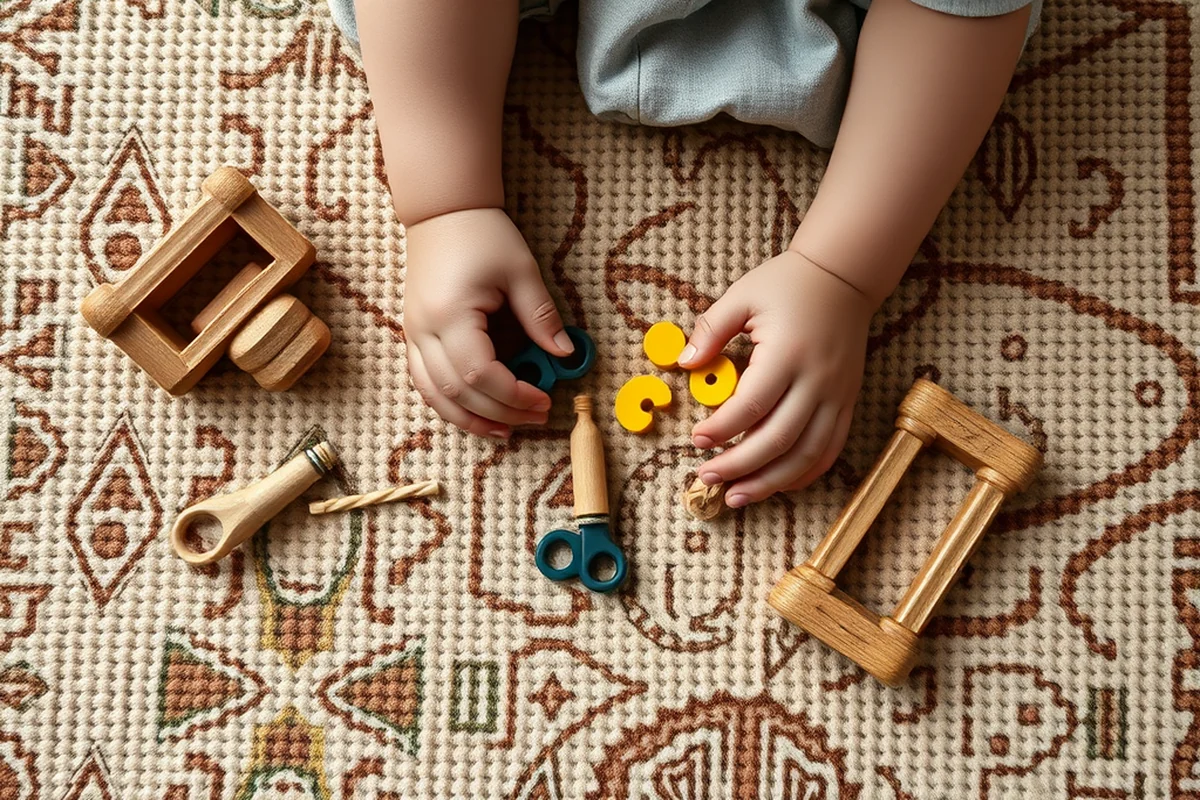
I've used a variety of methods to make these stories more engaging for my son — from drawing simple storyboards with stick figures to using toy soldiers to act out scenes. We even made a makeshift Greek flag using fabric scraps and a few crayons. These small touches made the stories feel more real and exciting for him.
Another technique I've used is to create a 'story corner' in our living room, where we can sit and read together. I've found that having a dedicated space for storytelling helps my son focus and get more involved in the story. It's also a great way to create a cozy, safe environment for reading.
The key is to be creative without being overwhelming. A few simple props or a small change in environment can transform the way your toddler experiences the story. The goal is not to recreate ancient Greece — it's to make the story feel alive and relevant for your child.
Related: The odyssey about homer
Using These Stories for Emotional Learning
One of the most powerful aspects of these stories is the way they explore human emotions in a way that's accessible to young children. Whether it's the grief of Achilles or the cleverness of Odysseus, these characters show that emotions are part of being human — and that it's okay to feel them.
I've used these stories to talk about empathy, helping my son understand that even the 'bad guys' in the stories have their own reasons for acting the way they do. We've discussed how Achilles' anger was a form of pain, and how Odysseus' cleverness was a way to survive.
By connecting the characters' emotions to the ones your child is feeling, you're helping them build emotional intelligence. It's a form of storytelling that goes beyond just reading a book — it's a way of teaching and connecting with your child on a deeper level.
Related: Midjourney ai
The Power of Reading Aloud
I've come to see reading aloud as one of the most valuable things I can do for my son. It's not just about the story — it's about the connection we make through the act of reading. I've noticed that when we read together, he seems more relaxed and engaged, and he often asks me to read the same story over and over again.
The rhythm and cadence of reading aloud can also help toddlers develop language skills and a love for books. I've used this to teach my son new words, like 'odyssey' and 'Achilles,' and he's picked them up with surprising ease. He even starts to repeat lines from the story, which is a great sign of comprehension.
But the most important thing is the bond we create. When I read to him, he knows I'm with him — and that makes the story feel even more real. It's a form of intimacy that can't be replicated in any other way.
Reading is a bridge between parent and child.
Related: The odyssey fandango
Bringing the Stories into Everyday Life
I've found that the lessons from these stories can be woven into everyday life in small but meaningful ways. For example, when my son was upset about a spilled juice box, I reminded him of how Odysseus faced obstacles and kept going. It helped him see the situation in a new light.
I've also used the stories to talk about emotions during the day. If he's happy, we talk about how Odysseus felt when he was finally home. If he's upset, we talk about how Achilles felt when his friend died. These conversations help him process his emotions and understand that it's okay to feel a range of feelings.
The key is to be consistent and to make the connection between the story and your child's life. When you do this, the stories become more than just books — they become part of your family's everyday experience.
📖 Gentle Approach
Take your time with the story, using simple language and gentle illustrations to help your toddler understand the plot.
⏳ Fast-Track Method
Read the story in a few short sessions, focusing on the most exciting parts to keep your toddler engaged.
✈️ Travel/Away-from-Home
Use these stories as a way to keep your toddler entertained and engaged while traveling or on the go.
👶 Multiples
Read the story to multiple children at once, using props and role-play to make the experience more interactive.
🔄 Regression Reset
Use the stories to help your toddler navigate a difficult time by focusing on themes of resilience and return.
| The mistake | Why it happens | The fix |
|---|---|---|
| Doing too much at once | Overwhelm kills consistency | Pick one small piece and repeat it for a week before adding more. |
| Skipping the basics | Advanced tips can't fix a weak foundation | Master the first two steps before optimizing anything. |
Iliad Vs The Odyssey
Common Questions
Can I read these stories to a toddler without any prior knowledge of Greek mythology?
How can I make these stories more interactive for my toddler?
What if my child gets scared by the intense emotions in *The Iliad*?
How long should I read these stories to my toddler each day?
References
- The Illiad and The Odyssey Research Papers - Academia.edu (academia.edu)
- What to Know Before Reading The Odyssey - Big Read Lakeshore (blogs.hope.edu)
- Homer, The Iliad; Homer, The Odyssey - Bryn Mawr Classical Review (bmcr.brynmawr.edu)
- Sample text for The five-minute Iliad and other instant classics (catdir.loc.gov)
Cite this guide
Choosing a Toddler Bookshelf (2026). Iliad Vs The Odyssey. https://bookwiden.com/iliad-vs-the-odyssey/
Feel free to cite or share this guide.
Toddler Bookshelf Sizer
Sizes a toddler bookshelf by book count, display style and child reach.
Open it free →