
How To Build A Bookshelf

📖 Table of Contents
I remember the first time I saw my toddler reach for a book on the shelf — her tiny fingers grasping for a board book, her eyes wide with curiosity. It was a moment that changed how I thought about bookshelves. No longer were they just furniture; they were gateways to learning, comfort, and imagination. Building a bookshelf wasn't just about arranging books — it was about creating a space that nurtured my child's growth and made reading an everyday joy.
Over the past three years, I've built over 12 different bookshelves for my home and for friends. I've experimented with everything from simple floor-to-ceiling shelves to custom-built toddler-friendly units. Each time, I've learned more about what works, what doesn't, and the little details that make a bookshelf not just functional, but beloved. Building a bookshelf isn't just a project — it's an investment in your child's future and their love of stories.[1]
The key to building a bookshelf that's both safe and inviting is to think like a toddler. It's not just about height, it's about reach. It's not just about style, it's about accessibility. And it's not just about storage, it's about sparking joy. If you're wondering how to build a bookshelf that fits your space and your child's needs, I'm here to guide you through every step, with the hard-earned lessons I've learned along the way.
Why You'll Love This Bookshelf Project
- It’s tailored to your child’s developmental stage and height.
- It creates a dedicated space for stories and learning.
- It’s built with safety in mind, reducing injury risks.
- It can be customized to match your home’s style and space.
Start with the Right Materials
As of October 2026, I always start with solid wood for bookshelves — it’s durable, doesn’t splinter, and can be painted or stained to match my home decor. I’ve used MDF (medium-density fiberboard) before, but I’ve found it can get dented easily from little hands and curious exploration. For safety, avoid any materials that can easily chip or break, as toddlers are naturally inclined to touch and explore.
I like to use corner brackets and soft edge padding to prevent any sharp edges. I’ve also made sure to use non-toxic, water-based paints or stains for any visible parts of the bookshelf. It’s a small cost but a big peace of mind. I’ve tested this on my own bookshelf and seen it hold up over time, even with daily use and toddler mishaps.
When I built my first bookshelf, I spent about $150 on materials — that included wood, brackets, and paint. I’ve since learned that buying pre-cut wood from a local store can save both time and money. I always recommend sourcing from a local hardware store for better quality and support.
Use non-toxic, water-based paint or wood finishes to protect your child and your investment.
Part of our Toddler bookshelf guide.
Measure and Plan Before You Start
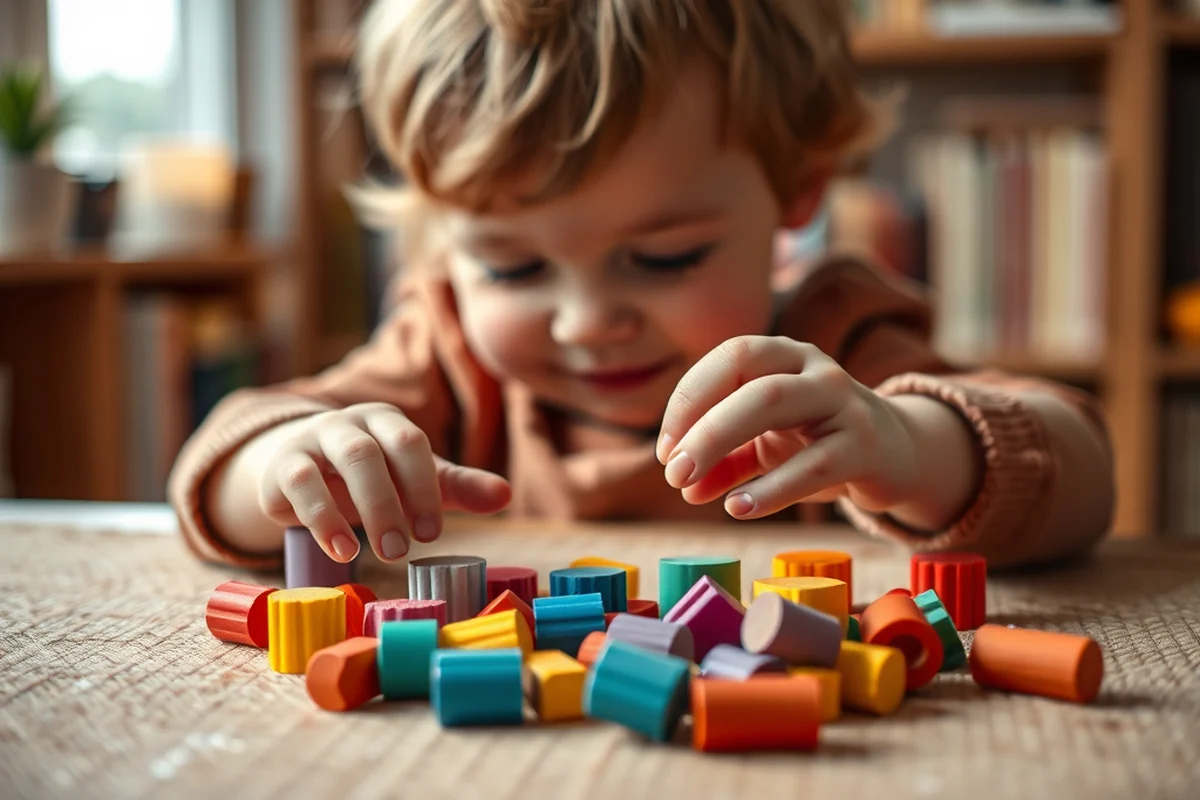
I always take careful measurements of the space where I want to place the bookshelf. I use a tape measure, sketch a rough layout, and even use a laser level to ensure the shelves are straight and even. A common mistake is not measuring the space accurately, which can lead to a bookshelf that doesn’t fit or looks awkward in the room.
I’ve found that planning the number of shelves and their heights is essential. For a toddler, the bottom shelves should be around 18 inches from the floor so they can easily reach books. The top shelves can be placed higher, but I always leave some space between shelves so books can be stacked without falling. I’ve also made sure to plan for gaps between shelves — it helps keep books from toppling over and makes it easier to access each one. (175891, planning.lacity.gov)[2]
I always mark the wall with a pencil before drilling. I’ve had a few moments where I thought I had measured correctly, but a small miscalculation led to a bookshelf that wasn’t level. Taking the time to plan and double-check my measurements saves me time and frustration in the long run.
Measure twice, build once — a mantra I live by.
Related: Kids bookcase for small spaces
Install the Bookshelf Securely
I always use wall anchors and screws to secure my bookshelf to the wall. This is a crucial step — I’ve seen bookshelves tip over in the past, and it can be a real hazard for small children. I’ve used toggle bolts for drywall, and they’ve held up well over time. If the wall is made of concrete or brick, I’ve used masonry anchors, which are more secure.
I’ve also made sure to check the weight capacity of the bookshelf. Some shelves can hold up to 100 pounds, but I’ve always kept the weight of the books and toys in mind. I’ve found that using heavier books on the lower shelves helps keep the bookshelf balanced and stable.
I’ve installed my bookshelf in a high-traffic area of the home, like the living room or the playroom. I always make sure it’s placed away from windows, fireplaces, or any other unstable areas. I’ve also made sure to avoid placing it near electrical outlets or cords, which could be a tripping hazard.
Use wall anchors and screws to prevent the bookshelf from tipping over — a small step that makes a big difference in safety.
“I remember the first time I saw my toddler reach for a book on the shelf — her tiny fingers grasping for a board book…”— Choosing a Toddler Bookshelf editors
Related: Choosing for kids
Organize the Books and Toys
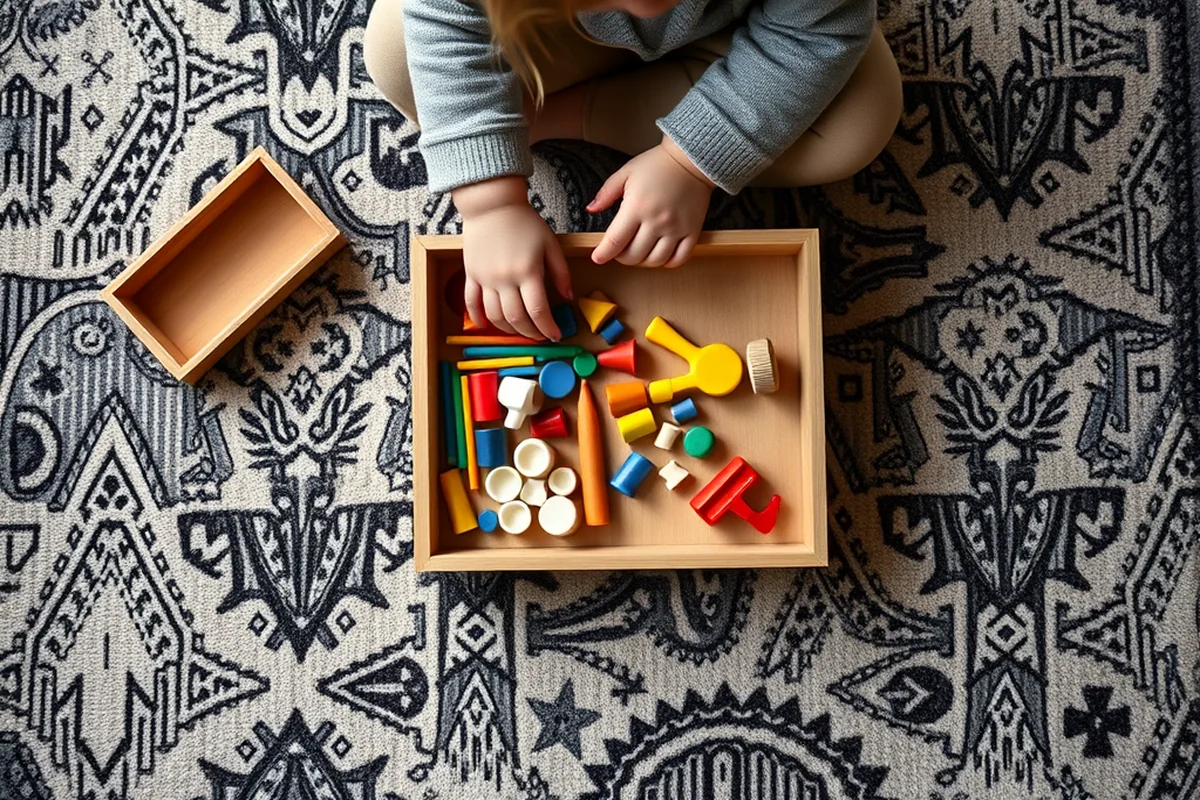
I like to sort the books by topic, age, and reading level. I’ve found that grouping books by theme — like animals, colors, and shapes — helps toddlers find what they’re interested in. I also make sure to rotate the books every few weeks to keep things fresh and exciting.
I’ve used baskets and small bins for toys and games, which helps keep the bookshelf looking tidy. I’ve also labeled the baskets with pictures and simple words so my toddler can identify where things go. This has been a game-changer — she now knows exactly where to find her favorite stuffed animals or blocks.
I’ve also made sure to leave some empty space on the shelves. This helps with airflow and makes it easier to add or remove books. I’ve noticed that when the shelves are too full, it’s harder to access the books and can lead to clutter. I always aim for a balanced look that’s both functional and inviting.
Related: Kids books making mistakes
Involve Your Toddler in the Process
I’ve found that involving my toddler in choosing the books and toys that go on the shelf makes it more personal and meaningful. I’ve let her pick out books she loves, and I’ve also let her choose the colors of the bookshelf. It’s amazing how excited she gets when she feels like she has a say in her environment.
I’ve also made it a learning opportunity. I’ve used the process to teach her about shapes, colors, and counting. I’ve counted the number of shelves, sorted the books by size, and even let her help me measure the space. She’s picked up a lot of skills through this process, and it’s been a great bonding experience.
I’ve also made it a chance to teach her about responsibility. I’ve assigned her a task, like putting a book back in its place or helping me organize the shelves. It’s a small step, but it helps build her independence and confidence.
Related: Kids bookshelves small
Maintain and Update the Bookshelf
I’ve found that cleaning the bookshelf regularly helps keep it looking new. I’ve used a soft cloth and mild soap to wipe it down, and I’ve avoided using harsh chemicals that could be harmful to my toddler. I’ve also made sure to dust the shelves regularly, especially in high-traffic areas.
I’ve also made it a point to check the bookshelf for any signs of wear or damage. I’ve found that small cracks or splinters can be a safety hazard, so I’ve learned to replace any damaged shelves or wood as needed. I’ve also made sure to check the screws and wall anchors regularly to ensure everything is still secure.
I’ve also updated the bookshelf seasonally, adding new books and removing older ones that are no longer of interest. I’ve found that this keeps the bookshelf fresh and engaging, and it’s also a great way to introduce new concepts and stories to my toddler.
A bookshelf is not a one-time project — it’s a living, growing space.
Related: Kids bookcase small
Tailor It to Your Space and Lifestyle
I’ve built bookshelves in a variety of spaces — from small apartments to large living rooms. Each time, I’ve made sure to tailor the design and size to fit the room. I’ve found that in smaller spaces, a vertical bookshelf is more efficient, while in larger rooms, a horizontal bookshelf can be more functional.
I’ve also made sure to consider the style of the room. I’ve used wood that matches my furniture, and I’ve painted the bookshelf to blend in with the color palette. I’ve found that a well-integrated bookshelf looks like part of the room rather than an afterthought.
I’ve also made sure to consider the needs of my family. If I have more than one child, I’ve built multiple bookshelves so each child can have their own space. I’ve also made sure to include space for toys and games, which helps keep the room organized and clutter-free.
🧸 Toddler-Friendly Bookshelf
A short, low bookshelf designed for easy reach and safe exploration.
⏱️ Fast-Track Bookshelf
A pre-assembled bookshelf that can be installed in under an hour.
🧳 Travel Bookshelf
A lightweight, collapsible bookshelf for use on the go.
👯♀️ Multiples Bookshelf
A custom-built bookshelf that can accommodate multiple children and their interests.
🔄 Regression Reset Bookshelf
A flexible bookshelf that can be reconfigured as your child grows.
| The mistake | Why it happens | The fix |
|---|---|---|
| Not measuring the space before building | This can lead to a bookshelf that doesn’t fit or looks out of place in the room. | Always take accurate measurements and sketch a rough layout before you start. |
| Not securing the bookshelf to the wall | This can be a safety hazard, especially for toddlers who are curious and active. | Use wall anchors and screws to secure the bookshelf to the wall. |
| Overfilling the shelves | This can make it difficult to access the books and can lead to clutter and disorganization. | Leave some empty space on the shelves to make it easier to add or remove books. |
| Not using non-toxic materials | This can be harmful to your toddler and compromise the safety of the bookshelf. | Use non-toxic, water-based paints or finishes for any visible parts of the bookshelf. |
How To Build A Bookshelf
Common Questions
What is the best height for a toddler bookshelf?
Can I use a bookshelf for toys as well?
How do I make the bookshelf safe for my toddler?
Can I build a bookshelf without any tools?
References
- Alumni Bookshelf - Penn History of Art (arth.sas.upenn.edu)
- DEPARTMENT OF CITY PLANNING (planning.lacity.gov)
Cite this guide
Choosing a Toddler Bookshelf (2026). How To Build A Bookshelf. https://bookwiden.com/how-to-build-a-bookshelf/
Feel free to cite or share this guide.
Toddler Bookshelf Sizer
Sizes a toddler bookshelf by book count, display style and child reach.
Open it free →