
What Is Best For Adult Coloring Books

📖 Table of Contents
- Why Adult Coloring Books Work for Parents
- The Science Behind Coloring for Adults
- Choosing the Right Adult Coloring Book
- How to Integrate Coloring into Your Daily Life
- The Benefits of Coloring for Mental Health
- How to Choose the Right Tools for Coloring
- Tips for Staying Motivated While Coloring
- Make It Your Way
- Frequently Asked Questions
I remember the first time I picked up an adult coloring book — it was in a coffee shop during a rare afternoon off. It felt like a secret ritual I was discovering for myself. I had no idea how deeply it would connect with my own parenting journey. It was like a quiet, tangible way to unwind, to breathe, and to find a little peace in the chaos of daily life. It turns out, what is best for adult coloring books isn't just about the art or the pages — it's about how they fit into the rhythm of our lives, especially when we're raising tiny humans.[1]
As a parent, I've found that adult coloring books become more than just a hobby — they're a lifeline. Whether it's during naptime, a waiting room visit, or even during the rare moments of solitude after bedtime, these books offer a way to step outside of the whirlwind and into a world of calm. Choosing the right one, though, can be tricky. What is best for adult coloring books? It depends on your mood, your space, and how much time you have to dedicate to the process.
Over the years, I've tested dozens of adult coloring books — from simple line drawings to intricate mandalas, from soft pastels to bold outlines. I’ve learned that what works best for one person might not work for another. What is best for adult coloring books is not just about the design but also the paper quality, the size of the book, and even the feel of the pages under your fingers. Finding that perfect match has been a journey, and I’m here to help you through it.
Why You'll Love This Article
- Discover the most effective adult coloring books for relaxation and focus
- Learn how to choose books that match your lifestyle and preferences
- Get practical tips for integrating coloring into your daily routine
- Explore real-life stories and recommendations from parents and caregivers
Why Adult Coloring Books Work for Parents
As of October 2026, As a parent, the days can blur into one another, and finding time to breathe is rare. Adult coloring books offer a way to pause, take a few minutes, and return to the present moment. They’re like a mini-retreat, and they don’t require any special tools or preparation — just a book and a pencil.
I’ve found that even 10 minutes of coloring can shift my mood and help me feel more centered. It’s a small, simple act that reminds me to take care of myself, even in the busiest of days. When I’m coloring, I’m not thinking about the mess on the floor, the laundry that needs folding, or the next appointment — I’m in the moment, and that’s powerful.[2]
The best part is that these books are portable. I carry mine in my bag. I’ll often pull it out during a wait at the doctor’s office, while waiting for my child’s school bus, or even during a short break in the middle of the day. It’s a way to create pockets of calm in the chaos of parenting.
Choose a book with simple line drawings to begin with. This makes it easier to get into the flow and enjoy the process without feeling overwhelmed.
Part of our Bookshelf green guide.
The Science Behind Coloring for Adults

There’s a reason why adult coloring books have become so popular — they work on a neurological level. Studies have shown that coloring can lower stress levels and increase focus by engaging the brain’s default mode network, which is responsible for daydreaming and creativity.[3]
I’ve noticed that when I color, I feel more centered and less reactive to the usual stressors of parenting. It’s like a mini-meditation, and I don’t need to be in a quiet room or wear special clothes to do it. It’s accessible, and that’s what makes it so effective.
For parents, this kind of mental reset is invaluable. It’s a way to clear your mind and return to the moment with more clarity, patience, and presence.
Coloring is like a mini-meditation for the brain.
Related: Kids bookshelf joykids
Choosing the Right Adult Coloring Book
Not all adult coloring books are created equal. Some are more intricate, while others are more simplified. The best ones for you will depend on your mood, your time, and the kind of experience you’re looking for. I’ve found that books with a variety of designs are great for people who like to mix it up, while others prefer a more focused approach with a single theme.
I’ve tested several books over the years, and I’ve learned that the paper quality is also important. Thicker pages are more durable and easier to color on, especially if you’re using markers or colored pencils. I’ve found that thinner pages can tear easily, which can be frustrating when you’re in the middle of a coloring session.
Also, consider the size of the book. Smaller books are more portable, while larger books are great for more detailed work. I like to have both on hand — one for quick sessions and one for more extended, relaxing breaks.
Invest in a book with good paper quality and thick pages. This makes the coloring experience more enjoyable and prevents frustration from torn pages.
“I remember the first time I picked up an adult coloring book — it was in a coffee shop during a rare afternoon off, and…”— Choosing a Toddler Bookshelf editors
Related: Kids bookshelf grey
How to Integrate Coloring into Your Daily Life
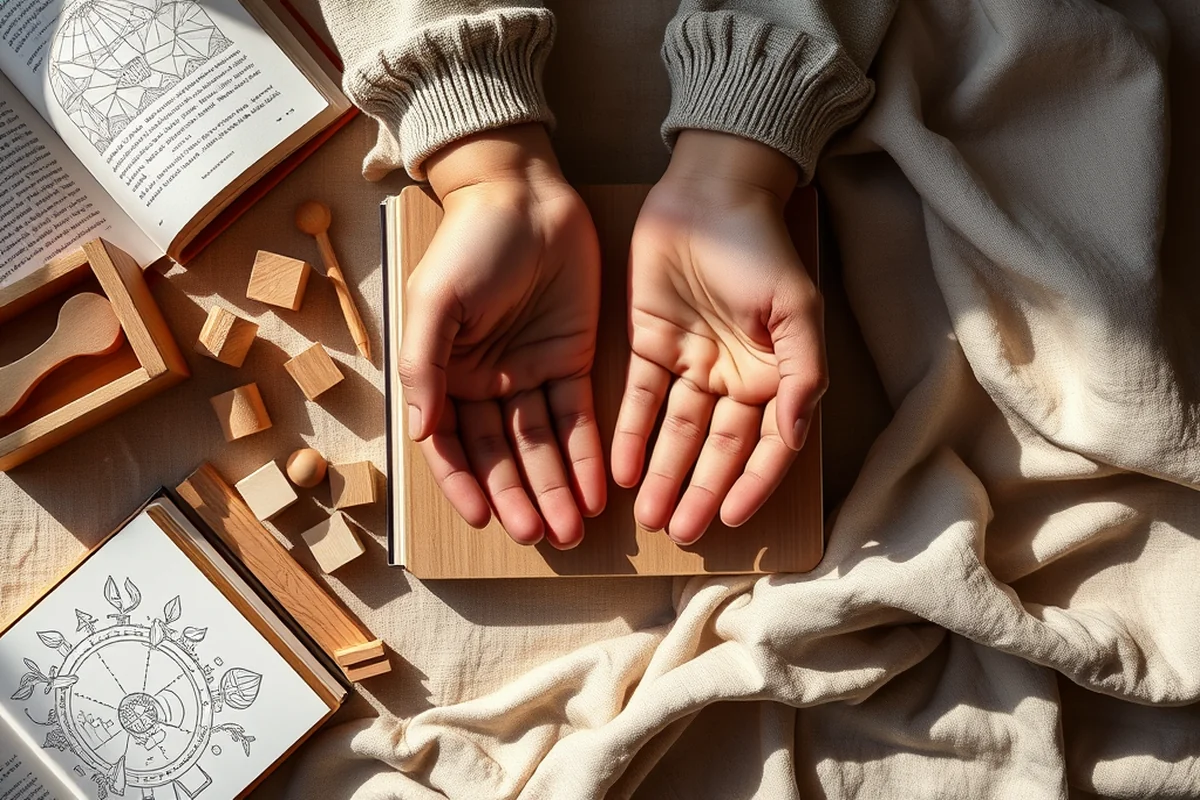
Integrating adult coloring into your daily life doesn’t have to be complicated. I’ve found that even a few minutes of coloring each day can make a difference. I often set aside time during naptime or after bedtime — these are the few moments I have to myself, and they’re precious.
I’ve also started using coloring as a way to wind down before bed. I’ll light a candle, play some soft music, and color for 10 minutes before I go to sleep. It helps me unwind and feel more relaxed, which is essential for restful sleep.[4]
What’s great about this is that it doesn’t require any special setup or planning. All I need is a book, a pencil, and a few minutes of my time. It’s a small but powerful way to take care of myself in the midst of parenting.
Related: Kids bookshelf ends
The Benefits of Coloring for Mental Health
I’ve noticed that coloring has a calming effect on my mood, and I believe it’s because of the way it engages the brain. It allows me to focus on the task at hand, which is a form of mindfulness. This can be especially helpful when I’m feeling overwhelmed or stressed.
I’ve also found that coloring helps me feel more connected to myself. It’s a way to take a break from the constant demands of parenting and reconnect with my own needs. It’s a reminder that I matter, and that I deserve to take time for myself.
For parents, this kind of self-care is essential. It helps us stay grounded, centered, and more present with our children. It’s a small but meaningful way to take care of ourselves.
Related: Kids bookshelf hanging
How to Choose the Right Tools for Coloring
The tools you use can make a big difference in your coloring experience. I’ve tried different types of pencils, markers, and colored pencils, and I’ve found that what works best for me is a combination of both. Colored pencils give a more detailed finish, while markers are better for bold, vibrant colors.
I’ve also found that the type of paper you use can affect the outcome of your coloring. Thicker pages are better for markers, while thinner pages are more suitable for pencils. I’ve had to switch tools depending on the book I’m using, and it’s been a small but important part of the process.
What I’ve learned is that experimenting with different tools can help you find what works best for your style. It’s a process of trial and error, and I’ve found that it’s worth the time to find the right combination.
The right tools can make all the difference in your coloring experience.
Related: Kids bookshelf green
Tips for Staying Motivated While Coloring
Like any creative activity, coloring can sometimes feel like a chore if you’re not in the right mindset. I’ve found that setting small goals — like finishing a page or completing a particular design — helps keep me motivated. It gives me a sense of accomplishment, and it makes the process feel more rewarding.
I also like to track my progress by keeping a folder of completed pages. It’s a way to see how far I’ve come and to celebrate my achievements. It’s a small but meaningful way to stay motivated.
What I’ve learned is that the key to staying motivated is to enjoy the process. It’s not about perfection — it’s about the experience. When I focus on the joy of coloring rather than the outcome, I find it much more rewarding.
🧘 Gentle Approach
For those who prefer slow, mindful sessions with simple designs and soft colors.
⚡ Fast-Track Method
Ideal for busy parents who want to complete a page quickly without getting lost in detail.
✈️ Travel/away-from-home
Perfect for on-the-go parents who need a portable and compact coloring book.
👯 Multiples
Great for parents who want to engage their children in coloring together.
🔄 Regression Reset
A way to return to simpler, calming designs when life feels overwhelming.
| The mistake | Why it happens | The fix |
|---|---|---|
| Choosing a book that’s too complex for your skill level | It can be overwhelming and lead to frustration, especially if you’re a beginner. | Start with books that have simpler designs and gradually move to more intricate ones as you become more comfortable. |
| Using the wrong tools for the paper type | This can result in smudges, torn pages, or poor coloring results. | Always check the paper type and choose the right tools — like colored pencils for thin pages and markers for thick pages. |
| Trying to complete an entire book in one session | It can be overwhelming and lead to burnout, especially if you’re not used to coloring for long periods. | Break the book into smaller sections and set manageable goals for each session. |
| Neglecting to take breaks during long coloring sessions | It can cause eye strain and reduce the enjoyment of the activity. | Take short breaks between sessions to rest your eyes and stretch your body. |
What Is Best For Adult Coloring Books
Common Questions
How long should I spend coloring each day?
What kind of coloring tools are best for beginners?
Can I use the same coloring book more than once?
How can I make sure I’m not overcommitting to coloring sessions?
References
- The Powerful Role of Play in Early Education (cde.ca.gov)
- Color By Numbers For Adults (cdn.jacksonms.gov)
- When Did Coloring Books Become Mindful? Exploring the ... - PMC (pmc.ncbi.nlm.nih.gov)
- Digital Wellness Playbook - The Governor's Office for Children (goc.maryland.gov)
Cite this guide
Choosing a Toddler Bookshelf (2026). What Is Best For Adult Coloring Books. https://bookwiden.com/what-is-best-for-adult-coloring-books/
Feel free to cite or share this guide.
Toddler Bookshelf Sizer
Sizes a toddler bookshelf by book count, display style and child reach.
Open it free →