
Classic Children Books

📖 Table of Contents
- What Makes a Book 'Classic'?
- How Classic Books Support Development
- Top Classic Children’s Books to Add to Your Shelf
- How to Integrate Classic Books into Your Child's Routine
- The Benefits of Shared Reading
- Why Reading Classics Helps with Emotional Development
- How to Choose the Right Classic Books for Your Child
- Make It Your Way
- Frequently Asked Questions
When I first held a copy of *Goodnight Moon* in my hands, I remember the softness of the pages, the weight of the book, and the way it felt like a trusted friend. It was the first of many classic children books that would become a staple in our home, shaping our bedtime routines and sparking a love of reading that has lasted for years. These books are more than just stories—they’re time-tested companions that bring comfort, curiosity, and connection to young readers and their parents alike.[2]
Classic children books have a way of outlasting trends, traditions, and even the youngest of readers. I’ve watched my daughter grow from a toddler who clung to *The Very Hungry Caterpillar* to a child who now rereads *Where the Wild Things Are* every night before bed. These stories are not just entertainment; they’re gateways to imagination, empathy, and early learning. The power of these books lies in their ability to remain relevant, engaging, and deeply impactful across generations.[3]
There’s something magical about reading a classic children’s book with your child. It’s not just about the words on the page—it’s about the shared experience, the pauses for giggles, the soft lull of a familiar story. The way your child’s eyes light up with wonder. Over the years, I’ve learned that these books are more than just entertainment; they’re building blocks for language, emotional intelligence, and a lifelong love of reading. I still keep a few favorites on my bookshelf, not just for nostalgia, but because they’ve proven to be timeless treasures.[4]
Why You'll Love This Article
- Discover how classic children books foster emotional and cognitive development.
- Learn which books have stood the test of time and why they're still beloved.
- Get practical advice for integrating these books into your child’s daily routine.
- Explore the benefits of reading with your child and how it strengthens your bond.
What Makes a Book 'Classic'?
As of October 2026, Classic children’s books are not defined by their age alone but by their lasting impact on readers. These books often explore fundamental themes such as love, friendship, fear, and imagination, making them relatable across generations. I remember reading *The Tale of Peter Rabbit* to my daughter when she was just two years old and being surprised by how well she understood the story’s cautionary message about straying from home.
What makes these books truly special is their ability to be revisited again and again without losing their charm. The language is simple, the illustrations are often iconic, and the stories are designed to be engaging for young minds. Many of these books have been reprinted and adapted over the years, but their core messages remain unchanged.
The best classic children’s books are the ones that not only entertain but also teach. They encourage curiosity, spark creativity, and help young children make sense of the world around them. These books are often the first stepping stones to a lifelong love of reading and learning.
Designate a special area in your home where you keep all your favorite classic books. This space can be a quiet reading nook or a cozy corner with soft lighting and cushions.
How Classic Books Support Development
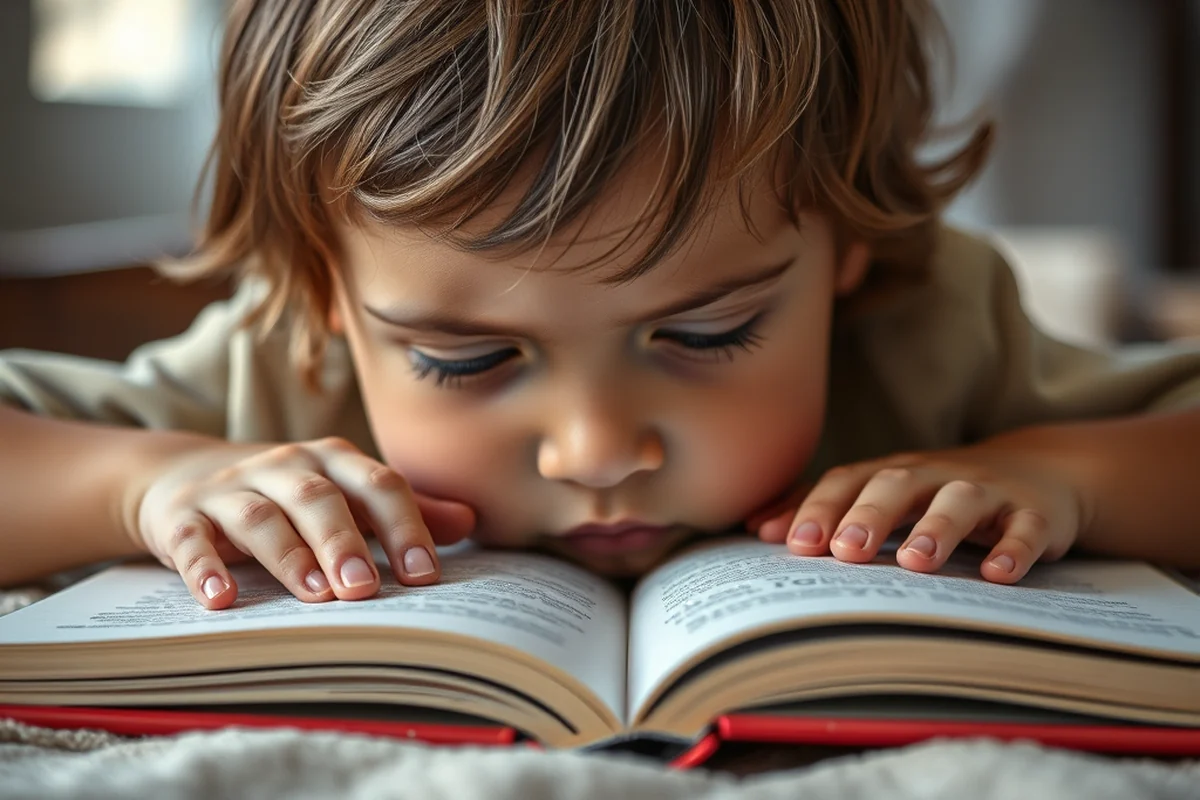
From cognitive development to language acquisition, classic books offer a wealth of benefits. I've noticed how my daughter’s vocabulary has grown significantly after we started reading *Brown Bear, Brown Bear, What Do You See?* together. The repetition and colorful illustrations made it easy for her to learn new words and concepts.
These books also help with emotional development by introducing children to a wide range of feelings and situations. For example, *The Giving Tree* taught my daughter about love, sacrifice, and the importance of giving. Even though the story is simple, it sparked meaningful conversations that helped her understand complex emotions.
In addition to cognitive and emotional benefits, classic books also support social development. Reading together encourages interaction and bonding, helping children develop a sense of security and connection with their parents or caregivers.
Books are mirrors and windows—mirrors reflecting our lives and windows opening up new worlds.
Related: Toddler bookshelf grey
Top Classic Children’s Books to Add to Your Shelf
One of my all-time favorites is *Where the Wild Things Are*. This book has captivated children for generations with its imaginative story and rich illustrations. I remember the first time I read it to my daughter. How she clung to the pages and pretended to be Max, the wild thing who traveled to the land of the wild things.
Another must-have is *The Very Hungry Caterpillar*, a book that has helped countless children learn about days of the week, counting, and the life cycle of a butterfly. The colorful, hole-punched pages make it a tactile and interactive experience that my daughter still loves to explore.
I also highly recommend *Goodnight Moon* for its gentle storytelling and soothing rhythm. This book has become a staple in our bedtime routine, and I can see how it has helped my daughter unwind and prepare for sleep each night.[1]
Make it a habit to read aloud to your child each day. This not only helps with language development but also strengthens the bond between you and your child.
“When I first held a copy of *Goodnight Moon* in my hands, I remember the softness of the pages, the weight of the book, and…”— Choosing a Toddler Bookshelf editors
Related: Toddler bookshelf nearby
How to Integrate Classic Books into Your Child's Routine
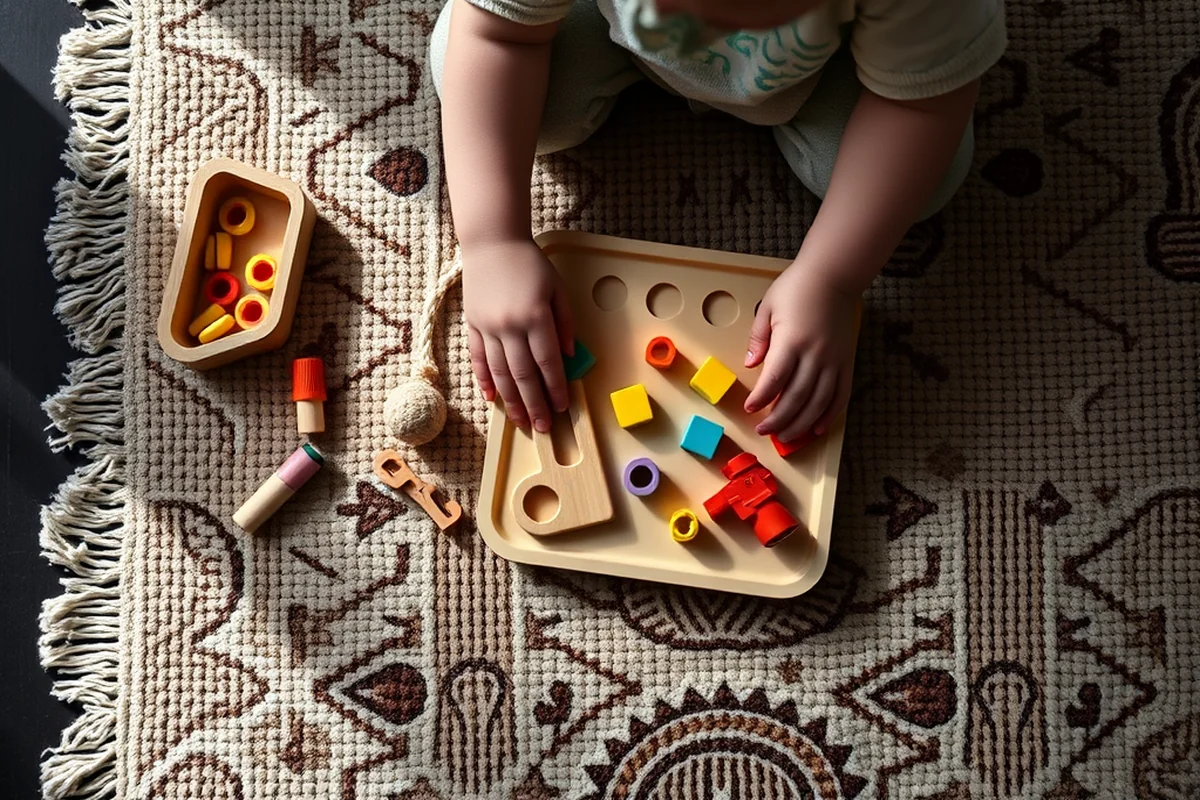
I’ve found that consistency is key with making reading a part of your child’s routine. Setting aside a specific time each day for reading—such as right after dinner or before bed—can help your child associate reading with comfort and relaxation. I started this practice when my daughter was just three months old, and now it’s a cherished part of our evening ritual.
Another helpful strategy is to create a reading schedule that includes a variety of classic books. This not only keeps things interesting for your child but also exposes them to a wide range of themes and stories. I’ve found that alternating between different books helps keep the experience fresh and engaging.
It’s also important to be flexible and open to your child’s preferences. While some classic books may not be their favorite at first, they may grow to love them over time. I’ve learned that being patient and allowing my child to explore different books at her own pace has made the experience more enjoyable for both of us.
Related: Toddler bookshelf bed frame
The Benefits of Shared Reading
Shared reading is more than just a way to pass the time—it’s a valuable tool for building language skills, emotional intelligence, and a love of learning. I’ve noticed how my daughter’s communication skills have improved significantly since we started reading together every day. She’s more confident in expressing her thoughts and ideas, and she enjoys sharing her favorite stories with others.
In addition to the cognitive benefits, shared reading also helps build a strong emotional connection between parents and children. The time we spend reading together has become a sacred moment in our day, and it’s something we both look forward to. It’s a way to show my daughter that I’m always there for her, no matter what.
Shared reading also provides opportunities for bonding and discussion. It allows parents to introduce new ideas, ask questions, and encourage critical thinking. I’ve found that discussing the stories with my daughter has helped her develop empathy and a deeper understanding of the world around her.
Related: Toddler bookshelf west elm
Why Reading Classics Helps with Emotional Development
One of the many benefits of reading classic books is their ability to help children navigate their emotions. These stories often explore a wide range of feelings, from joy and excitement to fear and sadness. I’ve seen how my daughter has learned to identify and express her emotions through the stories we read together.
For example, *The Color Monster* is a book that helps children understand and manage their emotions. The story follows a monster who is overwhelmed by his emotions and learns how to sort them out. This book has been especially helpful in helping my daughter recognize and name her feelings when she’s feeling overwhelmed.
Classic books also provide a safe space for children to explore difficult emotions. They allow children to see that it’s okay to feel sad, scared, or angry, and that these feelings are a normal part of life. These books help children develop emotional resilience and learn how to cope with challenging emotions in a healthy way.
Books teach us about life, love, and loss. They help us make sense of the world around us.
Related: Toddler bookshelf large
How to Choose the Right Classic Books for Your Child
When choosing classic books for your child, it’s important to consider their age and developmental stage. For very young children, books with simple language and bright illustrations are often the best choice. I’ve found that books like *The Very Hungry Caterpillar* and *Goodnight Moon* are perfect for toddlers who are just beginning to explore the world around them.
As children grow, they may be ready for more complex stories and themes. Books like *Where the Wild Things Are* and *The Tale of Peter Rabbit* are great choices for children who are developing their imagination and sense of adventure. These books offer rich narratives and engaging illustrations that keep children interested and curious.
It’s also important to consider your child’s interests and preferences. Some children may be drawn to stories about animals, while others may enjoy fairy tales or adventure stories. I’ve found that allowing my child to choose books that she enjoys helps keep the experience fun and engaging for both of us.
📖 Gentle Approach
Take it slow and build a reading routine that fits your child's pace and personality.
⏳ Fast-Track Method
Start with a few key classic books and read them frequently to establish early reading habits.
✈️ Travel/away-from-home
Pack a small selection of classic books to read during trips or while on the go.
👶 Multiples
Choose books that are engaging for multiple children and can be read together or independently.
🔄 Regression Reset
Revisit favorite classic books during times of change to provide comfort and stability.
| The mistake | Why it happens | The fix |
|---|---|---|
| Choosing books that are too complex for your child's age. | Books that are too advanced can be overwhelming and may discourage your child from reading. | Select books that match your child's developmental stage and reading level. Start with simple stories and gradually introduce more complex ones as your child grows. |
| Not making reading a consistent part of the daily routine. | Inconsistent reading habits can make it harder for your child to develop a love for reading. | Set aside a specific time each day for reading and make it a regular, predictable part of your child's day. |
| Forcing your child to read books they don’t enjoy. | Forcing your child to read books they don’t like can lead to resistance and a negative association with reading. | Allow your child to choose books that they enjoy and make reading a fun and engaging experience. |
| Reading the same book repeatedly without introducing new ones. | While it's good to revisit favorite books, reading the same book too often can limit your child's exposure to new ideas and stories. | Introduce a variety of books to keep your child interested and engaged. Alternate between favorites and new stories to keep the experience fresh. |
Classic Children Books
Common Questions
How can I choose the best classic books for my child?
Can classic books help with emotional development?
How can I make reading a daily habit?
Are there any age restrictions on classic children’s books?
References
- Children's Classics Book List Children's Classics Book List (americanfork.gov)
- The Magic of Classic Children's Books: Beatrix Potter Edition (blogs.lib.ku.edu)
- Children's Classics | U of M Bookstores (bookstores.umn.edu)
- CCBC Diversity Statistics - Cooperative Children's Book Center (ccbc.education.wisc.edu)
Cite this guide
Choosing a Toddler Bookshelf (2026). Classic Children Books. https://bookwiden.com/classic-children-books/
Feel free to cite or share this guide.
Toddler Bookshelf Sizer
Sizes a toddler bookshelf by book count, display style and child reach.
Open it free →