
What Is A Book Report
📖 Table of Contents
- What Is a Book Report?
- Why Are Book Reports Important?
- How to Help Your Child with a Book Report
- What Should Be Included in a Book Report?
- How to Make Book Reports Fun and Engaging
- Common Mistakes to Avoid When Helping with a Book Report
- How to Encourage Your Child to Think Critically About a Book
- Make It Your Way
- Frequently Asked Questions
When my son turned five, I thought I had all the tools to help him with school. But the first time he brought home a book report, I was lost. I had no idea what it was, how to help him, or even what the goal was. That moment, sitting at the kitchen table with a child who looked confused and a stack of books in front of us, taught me that book reports are more than just a school assignment — they are a tool to help kids develop critical thinking and communication skills.[1]
A book report is not just about summarizing a story. It's about digging into what makes a book work, who the characters are, and why the author wrote it. I had to learn this the hard way, but once I did, I realized how much this process can help a child grow. It's not just about reading — it's about understanding, reflecting, and connecting with stories in a deeper way.
I've since helped my son and other kids with their book reports, and I've learned that the key is to make it a collaborative, fun experience. Whether you're helping your child for the first time or looking for new ways to approach it, this guide will walk you through exactly what a book report is, why it matters. How to make it a meaningful part of your child's learning journey.
Why You'll Love This Guide to Book Reports
- It's written from the perspective of a parent who's been through the process — no jargon, just real experience.
- You'll walk away with specific, actionable steps for helping your child succeed with book reports.
- It covers all the key elements of a book report, from understanding the purpose to breaking it down into manageable parts.
- You'll find practical tips that make the process enjoyable and engaging for both you and your child.
What Is a Book Report?
As of October 2026, a book report is more than just a summary of the story — it's a chance for a child to think critically about the characters, themes, and plot. I remember the first time my son brought home a book report assignment, and I was confused about how to help him. But once we started breaking it down, we realized it was a chance for him to express his thoughts and engage more deeply with the story.
In our experience, a book report usually requires a child to write about the characters, setting, conflict, and resolution of the story. It also asks them to reflect on what they liked or disliked about the book and why. This helps build important reading and writing skills, as well as critical thinking abilities.
I've found that book reports are a great way to encourage children to think about the meaning behind the stories they read. Whether it's a picture book or a chapter book, the process helps kids learn to analyze, interpret, and even critique the work — all while having fun with it.
Choose a book your child truly enjoys — it makes the process more engaging and meaningful.
Part of our Toddler bookshelf guide.
Why Are Book Reports Important?
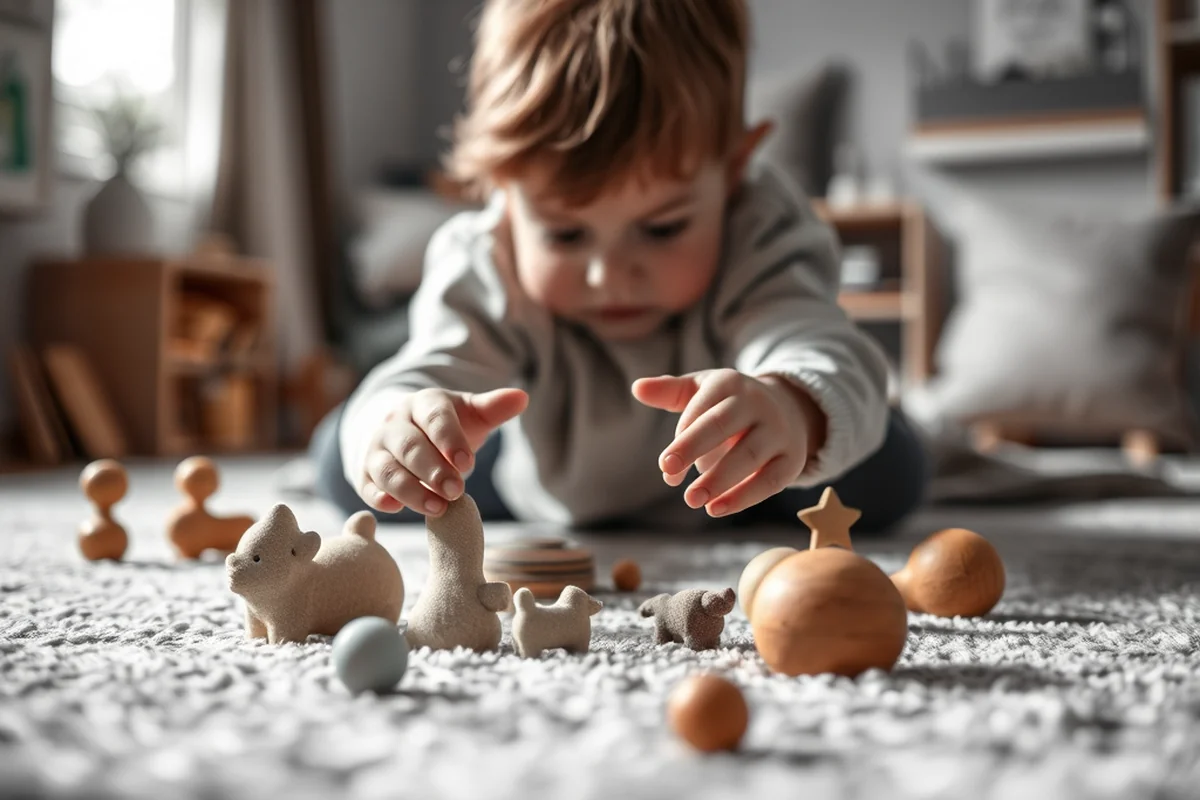
When my son first did a book report, I didn't realize how much it would help him with his reading and writing. I was surprised to see how much he learned about the characters and the story — even though he was only six. It wasn't just about what happened in the book, but about what it meant and how it made him feel.
Book reports are important because they encourage children to think critically, express their opinions, and make connections between the story and their own lives. They also help build vocabulary, comprehension, and writing skills. I've seen this in my own child and in others I've helped — it really does make a difference.
I've noticed that kids who do book reports tend to be more confident in their reading and more willing to try new books. They start to see reading as an activity that's not just about learning, but about exploring and discovering new things.
Book reports are not just about reading — they're about thinking, feeling, and growing.
Related: Christian book distributors website
How to Help Your Child with a Book Report
When I first tried to help my son with his book report, I thought I needed to do all the work for him. But I quickly realized that the key was to guide him through the process. I started by asking him questions about the story, and he was surprised by how much he could say on his own.
I recommend breaking the book report into small steps — like choosing a book, reading it, talking about it, and then writing it. This makes the process less overwhelming and more manageable. I've found that even a short conversation about the book before writing can make a big difference in the final result.[2]
Another tip I've used is to help my child create a simple outline for their report before they start writing. This helps them organize their thoughts and ensures they cover all the important parts of the story. It also makes the process more fun and less stressful for them.
Divide the book report into manageable parts — choosing a book, reading it, discussing it, and then writing it.
“When my son turned five, I thought I had all the tools to help him with school.”— Choosing a Toddler Bookshelf editors
Related: The log book
What Should Be Included in a Book Report?

One of the first things I learned when helping my son with his book report was that it's not just about the plot — it's also about the characters, the setting. The reader's own thoughts. I was surprised to see how much he could say about the characters in the book and why he liked them.
In our experience, a good book report usually includes the title and author, a summary of the story, the main characters and their roles, the setting, the conflict and resolution. The reader's personal opinion. This helps the child think critically about the book and reflect on what they've read.
I've found that including personal thoughts and feelings makes the book report more meaningful. It helps the child connect with the story on a deeper level and express their own unique perspective. This is something that can't be taught in a classroom — it has to come from the child themselves.
Related: What is used for books
How to Make Book Reports Fun and Engaging
When I first started helping my son with his book reports, I thought it would be a boring process. But I quickly realized that with the right approach, it could be a lot of fun. I started using games and visuals to help him understand the different parts of the book report.
One of the things I found helpful was using story maps and character charts to help my son organize his thoughts. He loved drawing his favorite characters and putting them on a poster. It made the process more visual and interactive, which helped him stay engaged.
I've also found that using role-play and storytelling can make book reports more fun. My son would act out parts of the story, and it helped him understand the characters and the plot in a more meaningful way. It made the whole experience feel less like a school assignment and more like a game.
Related: What is a book nook
Common Mistakes to Avoid When Helping with a Book Report
When I first tried to help my son with his book report, I made the mistake of doing most of the work for him. I thought I was helping, but I was actually preventing him from learning. I realized that the key was to let him take the lead and guide him through the process instead.
Another mistake I made was choosing a book that was too difficult for my son. He got frustrated and lost interest in the process. I learned that it's important to choose a book that's at the right reading level and that your child truly enjoys.
I also made the mistake of rushing the process. I wanted to get the book report done quickly, but my son needed time to understand the story and express his thoughts. I learned that patience is key when helping your child with a book report.
Don't rush — let your child take their time to think and express their ideas.
Related: Kindle from library
How to Encourage Your Child to Think Critically About a Book
One of the most important things I learned when helping my son with his book report was the power of asking open-ended questions. Instead of just asking if he liked the book, I started asking why he thought the characters did certain things or what he thought the author was trying to say.
These kinds of questions helped my son think more deeply about the story and express his own ideas. He started making connections between the book and his own life, and it made the whole experience more meaningful for him.
I've found that encouraging your child to express their opinions and interpretations is one of the best ways to help them develop critical thinking skills. It's not about right or wrong answers — it's about helping them explore their own thoughts and ideas.
🧸 Gentle Approach
This approach is ideal for younger children or those who are just beginning to understand book reports. It focuses on making the process fun and engaging, with plenty of guidance and support.
⚡ Fast-Track Approach
This method is perfect for older kids or those who are more confident in their reading and writing skills. It's a quicker and more efficient way to complete a book report with minimal guidance.
✈️ Travel/ Away-from-Home Approach
This approach is designed for parents who are traveling or away from home. It includes simple, easy-to-follow steps that can be done anywhere, with or without internet access.
👶 Multiples Approach
This method is ideal for parents with multiple children. It includes tips for helping each child with their own book report, even when time and resources are limited.
🔄 Regression Reset Approach
This approach is designed for children who are struggling with book reports or who have fallen behind. It includes step-by-step guidance to help them get back on track and regain confidence in their reading and writing skills.
| The mistake | Why it happens | The fix |
|---|---|---|
| Overhelping your child | This can prevent your child from learning and taking ownership of their work. | Let your child take the lead and guide them through the process instead. |
| Choosing a book that's too difficult | This can make the process frustrating and discouraging for your child. | Choose a book that's at the right reading level and that your child truly enjoys. |
| Rushing the process | This can prevent your child from fully understanding the story and expressing their thoughts. | Take your time and let your child think and express their ideas at their own pace. |
| Not asking open-ended questions | This can limit your child's thinking and prevent them from exploring their own ideas. | Ask open-ended questions and encourage your child to express their opinions and interpretations. |
What Is A Book Report
Common Questions
What should I do if my child is struggling with a book report?
How can I help my child think critically about a book?
What if my child doesn't want to do a book report?
How long should a book report be?
References
Cite this guide
Choosing a Toddler Bookshelf (2026). What Is A Book Report. https://bookwiden.com/what-is-a-book-report/
Feel free to cite or share this guide.