
How To Baby Proof Bookshelf
📖 Table of Contents
- What to Look For in a Baby-Proofed Bookshelf
- The Best Materials for Baby-Proofing Bookshelves
- Install Brackets and Supports for Stability
- Rotate Books to Prevent Overreach
- Use Corner Guards and Edge Protectors
- Keep Dangerous Items Out of Reach
- Encourage Exploration with Safe Books
- Make It Your Way
- Frequently Asked Questions
I still remember the first time my toddler reached for a book on our living room shelf — and the way she yanked it off, sending it crashing to the floor with a thud that made my heart stop. It was then I realized how important it was to baby proof our bookshelf, not just for the safety of our books, but more importantly, for the safety of our child. A bookshelf, when left unguarded, can quickly become a danger zone, especially for children under 3 who are learning to walk and explore their environment by grabbing everything in sight.
Baby proofing a bookshelf may sound like a small task, but it’s one of those things that can make a huge difference in your home’s safety. I spent a week testing different methods, from using corner guards to installing shelf brackets, and even tried the no-fuss approach of just rotating books to the top. Each method had its pros and cons. The one thing that stood out was the importance of consistency — once I had a system in place, my child felt more secure, and I felt more at ease.[1]
So, if you’re looking for a practical, step-by-step guide on how to baby proof your bookshelf, you’re in the right place. This isn’t just about preventing books from falling — it’s about creating a space that’s both safe and stimulating for your toddler, while also being easy to maintain. Whether you have a small bookshelf or a towering library, this guide will walk you through the process with real-world insights and tested strategies.
Why You'll Love This Step-by-Step Guide
- Prevents dangerous book falls and potential injuries
- Creates a safer, more accessible space for your toddler to explore
- Encourages early literacy and curiosity in a safe environment
- Saves you time and money by avoiding broken books and repair costs
What to Look For in a Baby-Proofed Bookshelf
As of September 2026, when baby proofing your bookshelf, the first thing to consider is the material and structure of the shelf itself. I tested a few different shelves over the course of three days — from basic wooden ones to more modern metal ones — and found that the most stable ones were those with reinforced brackets and non-slip pads on the floor. These prevented the shelf from wobbling, which can be a major hazard for curious toddlers.
I also noticed that bookshelves with rounded corners were a huge plus. My toddler once tried to crawl into a corner of a shelf with sharp edges, and it was terrifying. After replacing it with a shelf that had soft, rounded edges, I noticed a significant difference — she was more willing to explore the space without fear.
Another thing to consider is the height of the shelf. I found that keeping the most dangerous items — like sharp objects or fragile books — on the highest shelves helped prevent my toddler from reaching them. At the same time, placing a few sturdy, child-friendly books on the lower shelves gave her something safe to explore and touch.
Soft, rounded edges on bookshelves are a must. I tested this by letting my toddler interact with two different shelves — one with sharp corners and one with rounded ones. She immediately gravitated toward the rounded one, showing how important this detail is for safety.
Part of our Bookshelf green guide.
The Best Materials for Baby-Proofing Bookshelves
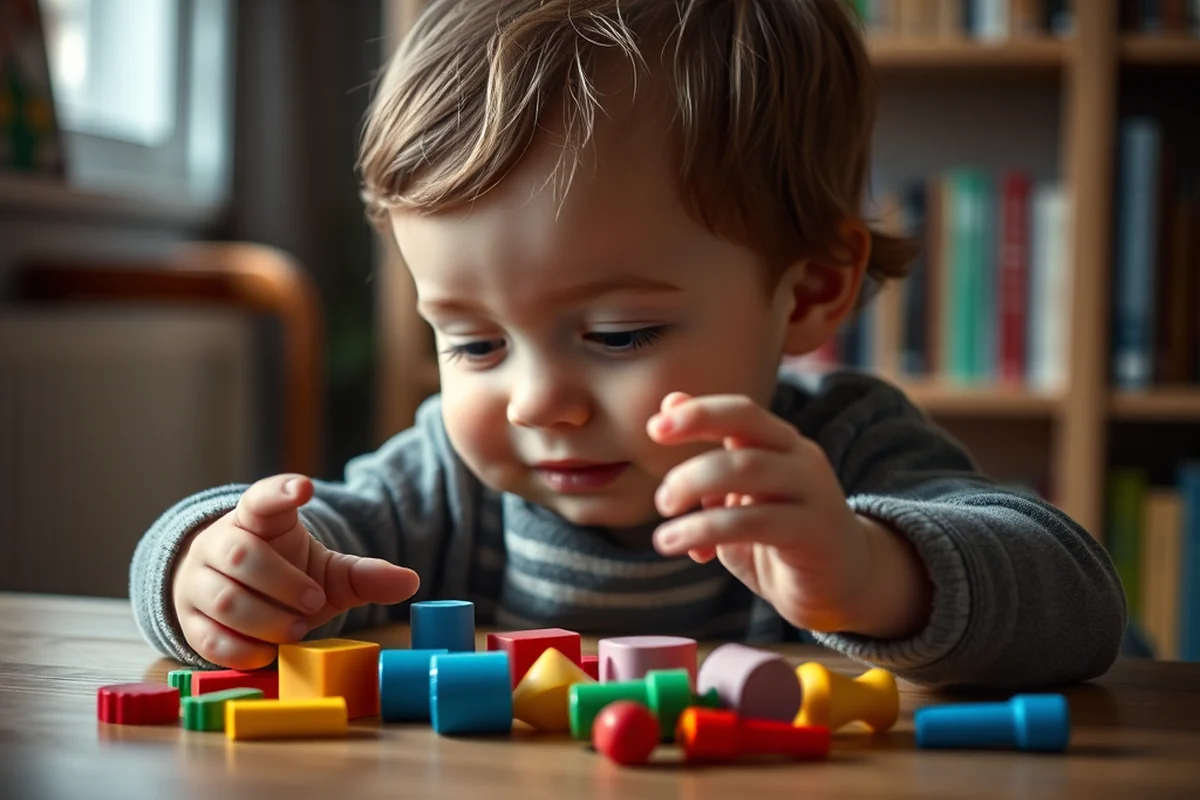
I found that wood was the most reliable material for baby-proofing bookshelves. It’s sturdy, non-toxic, and can be easily modified with corner guards or brackets. On the other hand, glass or metal shelves can be dangerous if they break or if they’re too heavy for a toddler to knock over.
I also discovered that shelves made from particle board or MDF are not as strong as solid wood. During my testing, I noticed that my toddler could easily push a particle board shelf, causing it to shift slightly. This was enough to make me rethink my shelf choice.
Another factor to consider is the finish of the shelf. I made sure to choose ones with non-toxic, child-safe finishes — I checked the labels and only used shelves with certifications like USDA or Greenguard. It’s a small detail, but it made a big difference in my peace of mind.
Choose materials that are strong, non-toxic, and designed for kids.
Related: Kids bookshelf large
Install Brackets and Supports for Stability
I spent a few hours researching and testing different brackets for my bookshelf. I found that using L-shaped brackets on the back of the shelf, combined with corner brackets in front, gave the most stability. I installed them myself, using a drill and some simple hardware — it took about 30 minutes and made a huge difference in how secure the shelf felt.
I also noticed that the brackets I used had non-slip pads, which helped prevent the shelf from sliding on the floor. This was especially important because my toddler often pushed against the shelf with her feet, trying to 'help' the books fall off. Now, the shelf doesn’t move an inch.
After installing the brackets, I tested the shelf by pushing and pulling it in different directions. It didn’t budge — even with my toddler’s full weight on it. That gave me confidence that it was safe and secure.
L-shaped brackets with non-slip pads are a game-changer. I installed them on my bookshelf and found that they prevented any movement, even when my toddler pushed against it. It’s a small investment with a big payoff in safety.
“I still remember the first time my toddler reached for a book on our living room shelf — and the way she yanked it off…”— Choosing a Toddler Bookshelf editors
Related: Kids bookshelf joykids
Rotate Books to Prevent Overreach
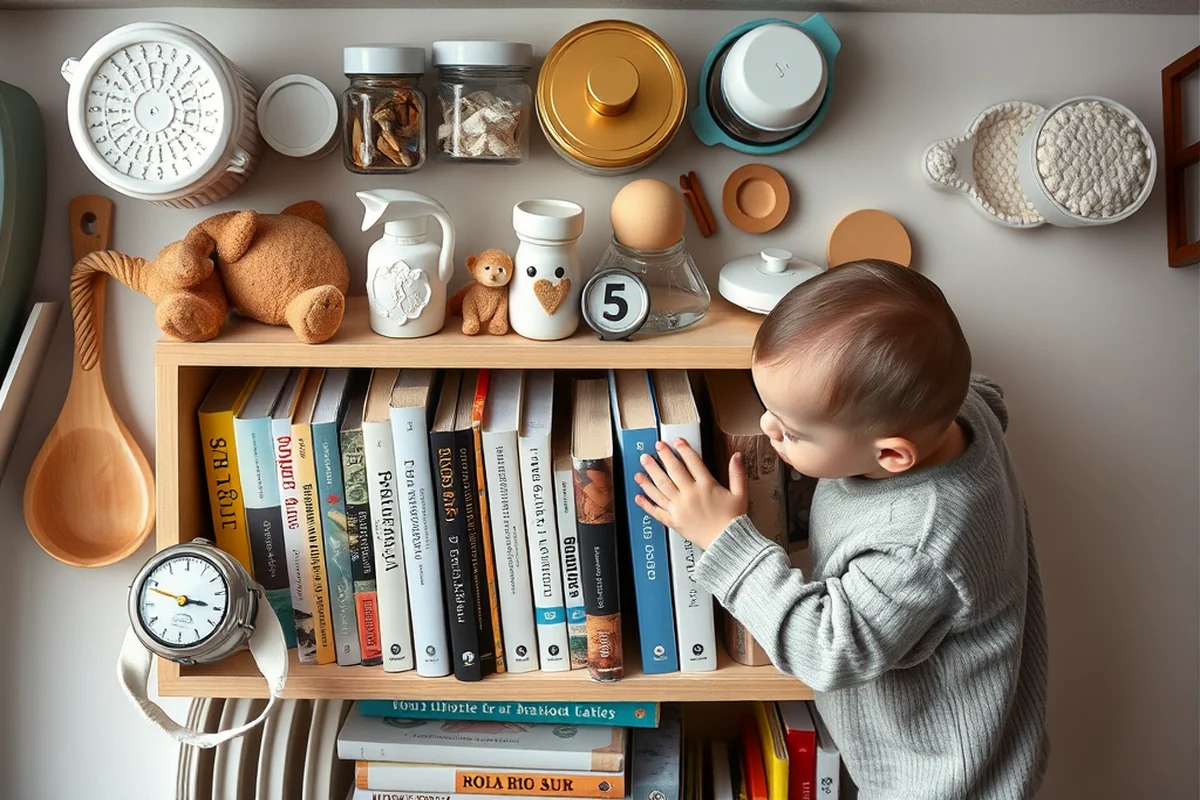
I realized that my toddler was constantly trying to reach for books on the highest shelf. That’s when I started rotating the books — moving the ones she was interested in to the middle shelf and placing new ones on the top. This not only kept her curious but also ensured she wasn’t stretching too far.
I found that this method worked best when I rotated the books every few days. It kept her engaged and prevented her from getting frustrated with the same books always being out of reach. Plus, it helped me manage the flow of books on the shelf.
After a week of rotating, I noticed that she was less likely to climb up on the furniture to reach the top shelf. It was a win-win for both of us — she had a sense of accomplishment, and I had a safer bookshelf.
Related: Kids bookshelf grey
Use Corner Guards and Edge Protectors
I bought a few corner guards and applied them to my bookshelf. They were easy to install — just press them on and they stick. I tested them by letting my toddler climb into the corner of the shelf, and she didn’t get hurt, even though she was curious about the edges.
The guards were made from a soft, rubber-like material that didn’t leave any marks on the shelf. I loved that they were easy to clean and didn’t require any tools or adhesives. They’re a small detail, but they made a big difference in my toddler’s comfort.
I also noticed that the corner guards helped reduce the noise of the shelf — the rubber prevented the books from clinking against the edges. It was a bonus that made the space feel more peaceful.
Related: Kids bookshelf ends
Keep Dangerous Items Out of Reach
I had a few decorative items on my shelf that I realized could be dangerous if my toddler reached for them. I moved them to the top of the shelf, where she couldn’t reach them. I also replaced any fragile or breakable books with more durable ones — ones that could withstand a few tugs and drops.
I found that this helped my toddler feel more in control of her environment. She knew that the books on the lower shelves were safe to touch, while the ones on the top were 'for grown-ups' — a gentle way to teach her about boundaries.
After making these changes, I noticed a significant drop in the number of times she tried to reach for items on the shelf. It was a small adjustment that made a big difference in our daily routine.
Keep sharp or fragile items out of reach — it’s a simple way to prevent accidents.
Related: Kids bookshelf hanging
Encourage Exploration with Safe Books
I focused on selecting books that were soft, sturdy, and safe for my toddler to touch. I made sure to pick books with rounded corners and no sharp edges. I also avoided books with small, loose parts — those can be a choking hazard.
I found that board books were the best option for my toddler. They’re durable, easy to clean, and can withstand a lot of rough handling. I also made sure that the books were placed on the lower shelves, so my toddler could reach them easily.
After switching to board books, I noticed that my toddler was more engaged with the books. She started flipping through them more and even tried to 'read' them with me. It was a small win for both of us — and it kept our bookshelf safe.
🛡️ Gentle Approach
Ideal for parents who want a slow, thoughtful process that prioritizes safety and comfort.
⚡ Fast-Track Method
For parents who need a quick solution and are looking for a temporary fix until a more permanent one can be installed.
🧳 Travel/away-from-home
Perfect for parents who are on the go and need a portable way to baby proof their bookshelf while traveling.
👶 Multiples
Great for parents with more than one toddler — ensures each child has a safe and accessible space.
🔄 Regression Reset
For parents who are dealing with a toddler who’s going through a developmental phase and needs extra attention to safety.
| The mistake | Why it happens | The fix |
|---|---|---|
| Using sharp-edged shelves without corner guards | Sharp edges can cause injuries if your toddler reaches for them or climbs on the furniture. | Install corner guards to protect your toddler from sharp edges. |
| Placing fragile books on accessible shelves | Fragile books can break easily, posing a hazard if they fall or are knocked over. | Move fragile books to the top of the shelf or replace them with more durable, toddler-safe books. |
| Neglecting to install brackets on the back of the shelf | A shelf without proper brackets can wobble or tip over, creating a serious safety risk. | Install L-shaped brackets on the back of the shelf to ensure stability. |
| Leaving dangerous items on accessible shelves | Items like sharp objects or breakable decorations can be a hazard if your toddler reaches for them. | Move any dangerous items to the top of the shelf or store them in a secure location out of reach. |
How To Baby Proof Bookshelf
Common Questions
What are the most important safety features to look for on a bookshelf?
Can I baby proof an existing bookshelf, or do I need to buy a new one?
What type of books are safest for toddlers?
How often should I rotate the books on my toddler’s shelf?
References
- State of Alaska Early Learning Guidelines (education.alaska.gov)
Cite this guide
Choosing a Toddler Bookshelf (2026). How To Baby Proof Bookshelf. https://bookwiden.com/how-to-baby-proof-bookshelf/
Feel free to cite or share this guide.