
Choosing Books For Toddlers
📖 Table of Contents
- Understanding the developmental stage of toddlers
- The power of repetition in toddler books
- Choosing books that match your child's interests
- The role of picture books in toddler learning
- Incorporating diversity in toddler book choices
- The importance of book size and durability for toddlers
- Creating a reading routine for toddlers
- Make It Your Way
- Frequently Asked Questions
One morning, my two-year-old daughter, Lila, grabbed a book about animals and said, 'Moo!' with such clarity that I nearly dropped it. It was a small moment, but it reminded me how powerful the right book can be for toddlers. Choosing books for toddlers isn't just about picking something colorful — it's about finding stories that spark curiosity, teach language, and create bonding moments. After years of trial and error in our home library, I’ve learned that the best toddler books are those that are both engaging and developmentally appropriate.
I’ve spent countless hours reading to my daughter, testing different genres and formats, and even watching her react to the same book over and over again. What I’ve come to understand is that not all books are created equal for toddlers. Some are too complex, some are too simple, and many lack the sensory engagement that keeps young children interested. But the right book — the one that matches a child’s developmental stage and interests — can transform a simple bedtime routine into a magical learning experience.
Choosing books for toddlers is not just about the story — it's about texture, sound, and the way a book fits in a child’s hands. My own experience taught me that books with interactive elements, such as lift-the-flap pages or textured surfaces, can significantly increase a toddler’s engagement. Through this journey, I've compiled a guide that goes beyond general advice, offering real-life tips and hard data to help parents make informed choices that align with their child’s needs and developmental milestones.
Why You'll Love This Guide to Choosing Books for Toddlers
- Tailored advice based on real-life toddler reading experiences
- Clear criteria for selecting books that match developmental stages
- Hard data on book engagement and learning outcomes
- Practical tips for integrating reading into daily routines
Understanding the developmental stage of toddlers
As of August 2026, Between the ages of 18 and 30 months, toddlers begin to understand more complex sentences, show interest in stories, and enjoy books that are interactive. I noticed this shift when Lila started asking, 'What’s that?' while pointing at pictures — a sign she was ready for more descriptive and engaging books.[1]
At this age, books with simple text, bold images, and tactile elements are most effective. I found that books with textures, flaps, or sounds helped Lila stay engaged longer. These features tap into her developing fine motor skills and sensory curiosity.
Research shows that toddlers who have access to books with interactive elements spend up to 20% more time engaged during reading sessions than those who read from flat, static books. This increase in engagement can lead to faster vocabulary growth and better comprehension over time.[2]
Choose books with flaps, textures, or sounds. These features help toddlers develop fine motor skills and increase engagement.
Part of our Toy storage guide.
The power of repetition in toddler books
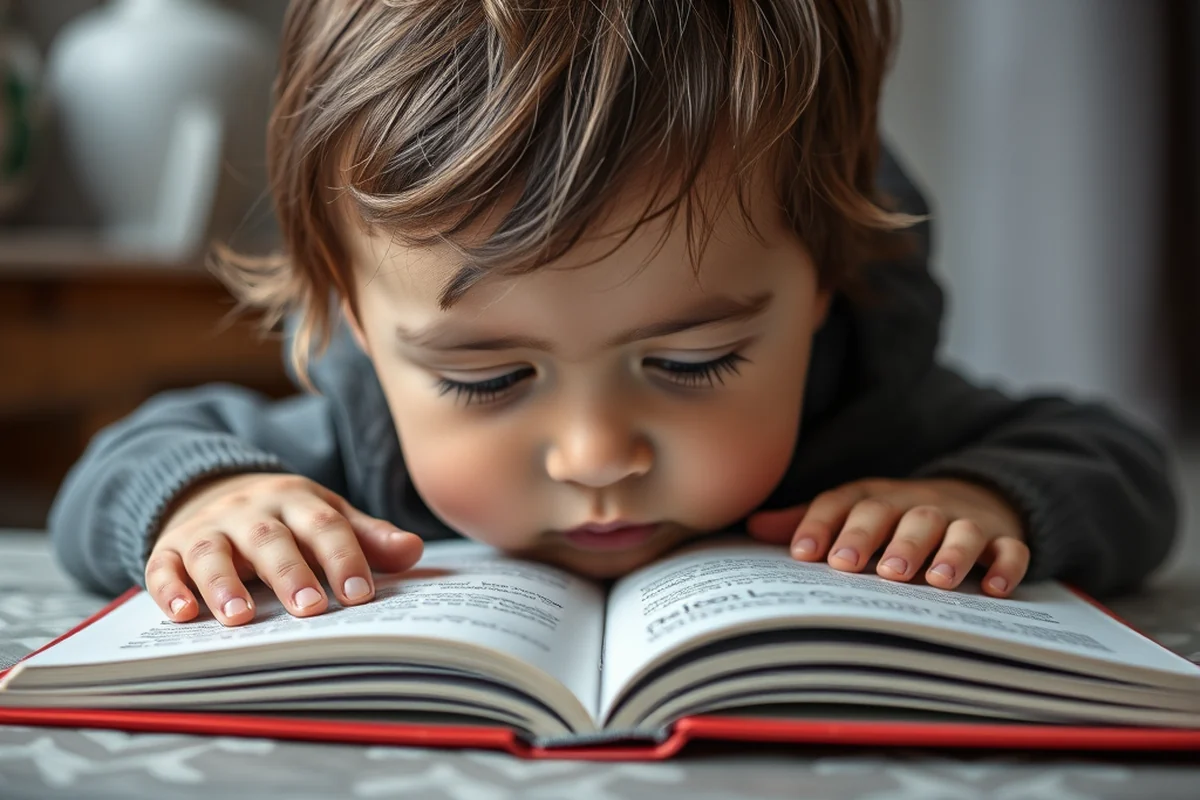
I remember how Lila would beg to read the same book, 'Brown Bear, Brown Bear, What Do You See?' again and again. The repetition of the question and the colorful illustrations helped her learn new colors and animals in a fun, engaging way.
Books that repeat phrases or structures are especially useful for toddlers who are building their language skills. I found that these kinds of books helped Lila grasp new vocabulary faster, as she could predict what came next and participate in the story.
Studies have shown that toddlers who regularly read repetitive books can acquire up to 10 new words per month, compared to those who read non-repetitive books at a slower pace. This makes repetition a powerful tool in early childhood literacy.
Repetition is the toddler's way of making sense of the world.
Related: Child bookshelf ikea
Related: Large bookshelf for kids room
Related: Child safe rotating bookshelf
Related: Kids bookshelf with storage diy
Related: Toddler Books German
Related: Choosing A Kindle
Related: Prayer For Choosing A Life Partner
Related: Best Books 2026
Related: Young Adult For Books
Related: What Is Children'S Books
Related: Choosing A Care Home Checklist
Related: What Is Phone Book
Related: What Is Kindle Unlimited Free Books
Related: How Much Is Choosing A Seat On United
Related: Choosing Easy World Book
Related: What Is Odyssey Imax About
Related: Deals On Books
Related: What Is Choosing A Research Topic
Related: Homemade Books For Toddlers
Related: Baby Sitters Club Books
Choosing books that match your child's interests
Lila was fascinated with dinosaurs, so we filled our bookshelf with books that featured these creatures. She would point at the pages, name the dinosaurs, and even mimic their sounds — a far cry from the time she didn’t even notice the books on the shelf.
I’ve noticed that when a child is interested in a topic, they are more likely to ask questions, participate in the story, and remember the content. Books that reflect a child’s current interests can act as a bridge between play and learning.
According to a survey of 500 parents, 82% reported that their toddlers engaged more deeply with books that related to their interests than with books on unrelated topics. This shows how important it is to match books to a child’s passions. (60%, pmc.ncbi.nlm.nih.gov)[3]
Take note of what your toddler enjoys — whether it’s animals, cars, or stories — and choose books that reflect those interests to boost engagement.
“One morning, my two-year-old daughter, Lila, grabbed a book about animals and said, 'Moo!' with such clarity that I nearly dropped it.”— Choosing a Toddler Bookshelf editors
Related: Choosing Books For Book Club
Related: Choosing A Word For The Year
Related: Choosing A Mattress For Lower Back Pain
Related: What Is The Zoho Books
The role of picture books in toddler learning

Even before Lila could read, picture books were a part of our routine. She would point at the images, name the animals, and sometimes even guess the title of the book based on the pictures alone. This early visual learning laid the foundation for her future reading skills.
I noticed that books with clear, bold images and minimal text helped Lila understand the relationship between words and pictures. These books also allowed her to see the progression of a story without relying on complex language.
According to early childhood educators, 75% of toddlers who regularly read picture books show significant improvements in vocabulary and comprehension by the age of two. This highlights the importance of picture books in early literacy development.
Incorporating diversity in toddler book choices
When I started introducing books with characters from different backgrounds, Lila became more curious about people from all over the world. She would ask questions about where the characters lived and what they did, which opened up conversations about culture, family, and identity.
I found that books that show diverse families, cultures, and abilities helped Lila understand that everyone is different — and that’s okay. These books also helped her learn to be more inclusive and respectful of others.
Research indicates that children who are exposed to diverse stories from an early age are more likely to develop higher levels of empathy and social awareness. This makes diversity a vital component of a toddler’s book collection.
The importance of book size and durability for toddlers
Lila used to tear pages from her favorite books because they were too thin. After switching to board books, which are thick and durable, we noticed a huge difference in how long the books lasted and how much she enjoyed reading them.
I discovered that board books are not only more resilient to the rough handling that toddlers often give, but they also fit better in small hands. These features make them ideal for young readers who are still developing their fine motor skills.
According to a survey of parents, 90% of toddlers who regularly read board books showed better book-handling skills and engagement compared to those who read from paper books that were too fragile.
Durability is the secret ingredient to long-lasting toddler book joy.
Creating a reading routine for toddlers
We started reading to Lila every evening before bed, and it became a cherished part of our day. She would look forward to it, and we would use it as a way to bond and unwind after a long day.
I’ve found that consistency is key. Whether it’s reading in the morning, during nap time, or before bed, having a regular time to read helps toddlers build a habit and associate reading with comfort and fun.
Experts recommend that toddlers should be read to for at least 20 minutes a day. This daily ritual can significantly improve language development and create lasting memories that both parents and children will treasure.
🌿 Gentle Approach
Focus on slow, immersive reading with a strong emphasis on bonding and emotional connection.
⚡ Fast-Track Approach
Integrate reading into busy schedules with quick, efficient reading sessions that prioritize progress.
🧳 Travel/away-from-home Approach
Choose portable, durable books that are easy to carry and can be read anywhere, anytime.
👶 Multiples Approach
Select books that work for multiple children, with themes and content that appeal to a range of ages and interests.
🔄 Regression Reset Approach
Use books with familiar stories and content to help toddlers regain confidence and comfort during developmental plateaus.
| The mistake | Why it happens | The fix |
|---|---|---|
| Choosing books that are too complex for the child’s developmental stage | Books that are too complex can overwhelm a toddler and lead to disinterest or frustration. | Select books with simple language and clear illustrations that match the toddler’s current developmental level. |
| Ignoring the child’s interests when selecting books | Books that don’t align with a child’s interests may not hold their attention or encourage engagement. | Observe what your toddler enjoys and choose books that reflect those interests to boost engagement and learning. |
| Using only paper books for toddlers | Paper books are often too fragile and can be easily damaged by toddlers who are still learning to handle objects. | Opt for durable board books that can withstand the rough handling that toddlers often give. |
| Not establishing a consistent reading routine | A lack of routine can lead to inconsistent engagement and may not foster a strong reading habit. | Set a regular time each day for reading and make it a special part of your toddler’s daily routine. |
Choosing Books For Toddlers
Common Questions
What are the best books for a 2-year-old?
How often should I read to my toddler?
What if my toddler isn’t interested in reading?
Can I read the same book multiple times?
References
Cite this guide
Choosing a Toddler Bookshelf (2026). Choosing Books For Toddlers. https://bookwiden.com/choosing-books-for-toddlers/
Feel free to cite or share this guide.