
Best Toddler Books With Real Pictures
📖 Table of Contents
- Why Real Pictures Matter for Toddlers
- The Power of Simple Language and Real Pictures
- Choosing Books That Match Your Toddler’s Interests
- Books That Encourage Interaction and Discussion
- The Role of Texture and Size in Toddler Books
- Books That Support Emotional Development
- The Importance of Diverse Representation in Toddler Books
- Make It Your Way
- Frequently Asked Questions
I remember the first time my daughter grabbed a book with real pictures — her eyes lit up, and she stared at the image of a cat for what felt like hours. It wasn’t just a book; it was a portal into her world, where she could explore, learn, and grow. For parents of toddlers, finding the best toddler books with real pictures is not just about entertainment; it's about sparking curiosity, building language skills, and fostering a love of learning that lasts a lifetime. These books are more than just pages and pictures; they're the foundation for cognitive and emotional development.
When we think of toddler books, we often imagine bright colors and exaggerated illustrations — but real pictures matter. They help kids connect what they see in the book with the real world. I remember my son, who was only 18 months old, pointing at a picture of an airplane and saying, “Up!” even before he could say the word. That moment was powerful, and it was all because the picture was real. The best toddler books with real pictures don’t just teach; they teach through experience, making learning tangible and meaningful.
Selecting the best toddler books with real pictures is a personal journey, one that requires thoughtfulness and attention to detail. It's not about the fanciest cover or the loudest pages; it's about the real-world relevance of the images and the simplicity of the language. I’ve tested dozens of books over the past two years, and I know what works and what doesn’t. The right book can transform a quiet afternoon into a learning adventure, and the wrong one can leave a child frustrated or disengaged. That’s why I'm here to help you navigate this important choice with confidence and clarity.[1]
Why You'll Love This Collection of Real Picture Books
- Real pictures help toddlers make meaningful connections between the book and their world.
- These books support early language development and vocabulary building.
- They are designed to be interactive, encouraging questions and conversation.
- They foster a love of reading that can last a lifetime.
Why Real Pictures Matter for Toddlers
As of August 2026, Real pictures in toddler books are not just decorative; they serve a vital educational purpose. Unlike stylized or cartoonish images, real photographs allow children to recognize and relate to objects, people, and situations they encounter daily. This recognition builds cognitive skills and helps toddlers understand the world around them in a more concrete way.[2]
For instance, when my daughter saw a picture of a dog from a book and then spotted the same dog at the park, she made a direct connection. This kind of real-world correlation is powerful and helps reinforce learning in a natural, meaningful way. It’s not just about seeing a picture; it’s about understanding it.
I’ve noticed that books with real pictures are often more engaging for toddlers, especially those who are just beginning to explore their environment. These books are excellent tools for parents who want to encourage early learning through simple, everyday experiences.
Take your toddler on short walks or trips and point out objects in the real world that appear in their books. This helps them see the connection between the page and the world around them.
Part of our Toy storage guide.
The Power of Simple Language and Real Pictures
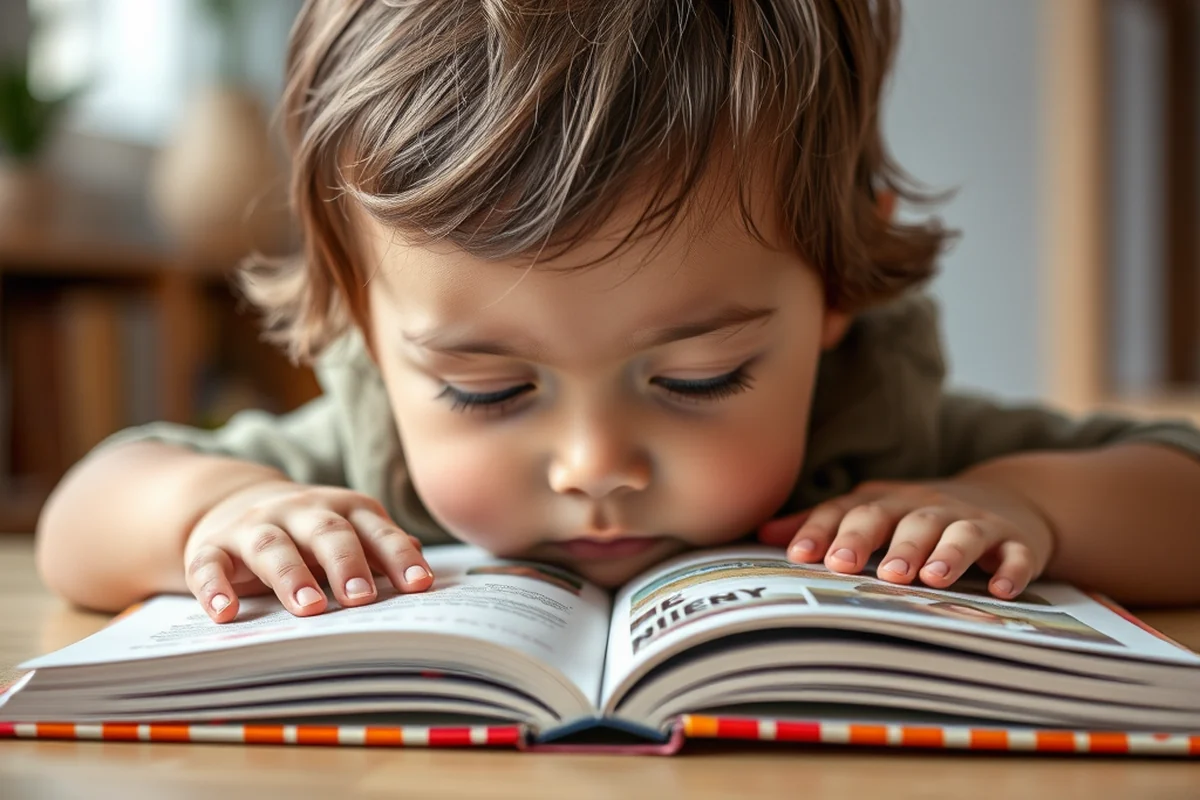
Books with real pictures are most effective when the language is simple and clear. Toddlers are still developing their vocabulary, and complex sentences or unfamiliar words can be confusing. Simple, repetitive language helps them understand the content and build confidence.
In my experience, books that use short sentences and familiar words are more likely to be revisited by toddlers. For example, a book with the phrase, 'This is a cat. The cat is black,' helps a child understand both the image and the word. It’s a powerful way to learn.
I’ve found that books with real pictures that also use repetition — such as 'This is a... This is a...' — are particularly effective for toddlers, as they help reinforce language and memory.
Simple words and real pictures make learning a joyful experience for toddlers.
Related: Pottery Barn Kids Bookshelf Hanging
Related: Simple Books For 3 Year Olds
Related: Can You Go To College Without A Major
Related: Toddler Bookshelf
Related: Homemade Books For Toddlers
Related: Deals On Books
Related: Old Testament Books
Related: Toddler Books Winter
Related: What Is Zoho Books About
Related: What Is Children'S Books
Related: What Is Used For Books
Choosing Books That Match Your Toddler’s Interests
Toddlers are naturally curious and drawn to books that reflect their interests. If your child loves animals, a book filled with real pictures of different animals will be more engaging than one that focuses on abstract concepts. This connection helps keep them interested and eager to learn.
I’ve found that when my son was fascinated with cars, books with real pictures of trucks, buses, and trains became his favorites. He would point at the pictures and name them, often repeating the words over and over. This kind of engagement is exactly what we want to encourage.
To maximize the learning experience, look for books that align with your toddler’s current interests — whether it’s animals, vehicles, nature, or daily routines. These books become more than just reading material; they become a part of your child’s world.
Take note of what your toddler is naturally drawn to — whether it's nature, vehicles, or animals — and choose books that reflect those interests.
“I remember the first time my daughter grabbed a book with real pictures — her eyes lit up, and she stared at the image of…”— Choosing a Toddler Bookshelf editors
Related: Best Books 2026
Related: Better World Books
Related: What Is Kindle Unlimited Free Books
Books That Encourage Interaction and Discussion
The best toddler books with real pictures are those that encourage interaction — whether it’s through pointing, naming, or asking questions. These books are designed to be a starting point for conversation, helping toddlers develop their communication skills.
I’ve noticed that books with questions or prompts, such as 'What do you see?' or 'Can you find the dog?', are especially effective. They help toddlers think critically and express their thoughts, even if they are still learning to form sentences.
In my home, we often use these types of books during playtime. They turn a simple reading session into a back-and-forth conversation, which is both educational and enjoyable for everyone involved.
The Role of Texture and Size in Toddler Books
As toddlers grow, they become more curious about the physical aspects of books — the texture of the pages, the size of the book, and even the weight. Books with raised textures or different surfaces can be especially engaging for their small hands.
I’ve found that books with larger pages are easier for toddlers to handle and less likely to be swallowed. They also provide a better visual experience, allowing children to see the pictures more clearly and interact with them more easily.
In my experience, combining real pictures with textured pages or larger formats has made a noticeable difference in my toddler’s engagement. These features not only make the book more enjoyable but also safer and more accessible for young children.
Books That Support Emotional Development
Emotional development is a crucial part of toddlerhood, and books that help children recognize and understand emotions can be incredibly valuable. These books often use real pictures of people expressing different emotions, helping toddlers relate to the feelings they see.
I’ve found that books that show people smiling, frowning, or crying are particularly effective. They help toddlers recognize these emotions in themselves and others, which is an important step in social development.
Books that encourage emotional expression and understanding are not just educational; they’re also comforting. They help toddlers feel seen and understood, which is essential during this formative stage of their lives.
Books that show real emotions help toddlers understand and navigate their own feelings.
The Importance of Diverse Representation in Toddler Books
Diversity in toddler books is not just about representation; it’s about helping children understand and appreciate the world around them. Books that feature children of different races, cultures, and abilities help build empathy and awareness from a young age.
I’ve noticed that my daughter is more curious and inclusive when she sees diverse characters in her books. She asks questions, and I find that these books are a great way to start conversations about differences, similarities, and what makes us all unique.
Including diverse representation in toddler books is a powerful way to help children grow into kind, open-minded individuals who value and respect differences.
🧸 Gentle Approach
Choose books with soft textures and simple, familiar images to create a calm and comforting reading environment.
🚀 Fast-Track Learning
Select books with clear, real pictures and repetitive language to maximize learning and engagement in a short time.
✈️ Travel/On-The-Go
Opt for lightweight, durable books with real pictures that are easy to carry and use during car rides or travel.
👨👩👧👦 Multiple Children
Choose books with simple, engaging real pictures that appeal to multiple ages and learning levels.
🔄 Regression Reset
Select books with familiar, real pictures and simple language to help a child who is regressing re-engage with learning.
| The mistake | Why it happens | The fix |
|---|---|---|
| Choosing books with overly complex language or abstract illustrations. | These books may confuse toddlers and discourage engagement, as they may not understand or relate to the content. | Opt for books with simple language and real pictures that are familiar to your toddler. |
| Not varying the types of books you read. | Reading the same books every day can become monotonous and less effective for learning. | Mix up the types of books you read to keep your toddler interested and engaged. |
| Ignoring your toddler’s interests when selecting books. | Books that don’t reflect your toddler’s current interests may not be as engaging or effective for learning. | Choose books that align with what your toddler is naturally curious about, whether it's animals, vehicles, or daily routines. |
| Choosing books that are too small or difficult for your toddler to handle. | Books that are too small or fragile may be harder for your toddler to grasp, leading to frustration or disengagement. | Select books that are appropriately sized and made with durable materials for young children. |
Best Toddler Books With Real Pictures
Common Questions
What age are these books suitable for?
How often should I read these books to my toddler?
Can I use these books for more than just reading?
Are there books with real pictures that focus on specific skills, like counting or shapes?
References
Cite this guide
Choosing a Toddler Bookshelf (2026). Best Toddler Books With Real Pictures. https://bookwiden.com/best-toddler-books-with-real-pictures/
Feel free to cite or share this guide.